

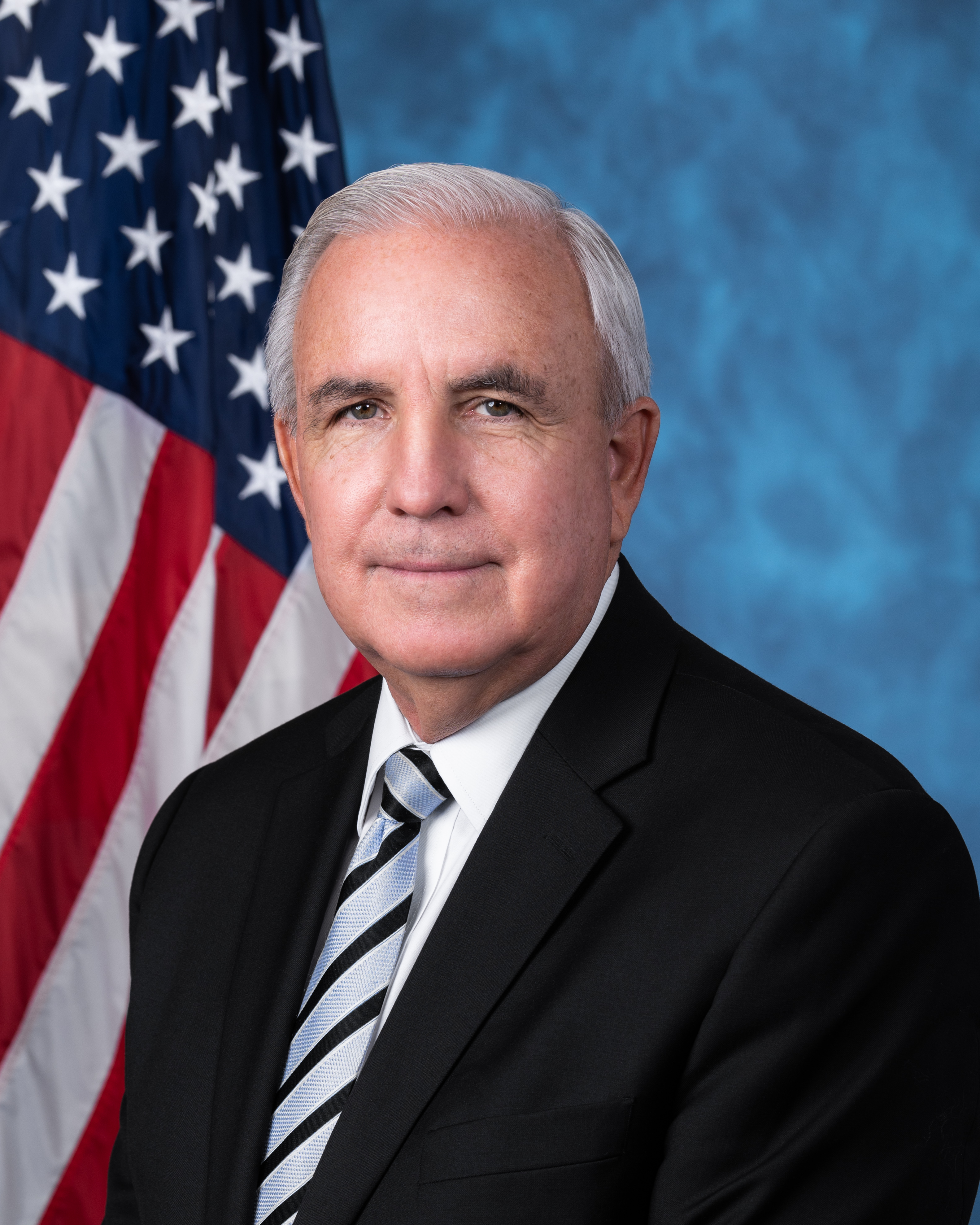
Carlos Giménez Opposes Ending TPS for Haitian Migrants Amid Supreme Court Ruling
Florida Republican Congressman Carlos Giménez opposes ending temporary protected status for Haitian migrants, warning that deporting 350,000 Haitians would be a grave mistake.
The US Supreme Court ruled that the Trump administration could end TPS protections for Haitians and Syrians.
Giménez highlighted Haiti’s ongoing crisis and called for reinstating protections for Venezuelans.
Other Republicans, including Ohio Governor Mike DeWine, also oppose ending TPS due to economic and social harms.
TPS holders face loss of work authorization by July 10, raising fears of labor shortages and community disruption.
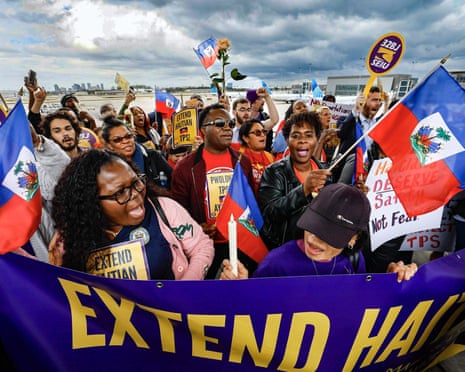
Florida Republican Carlos Giménez Opposes Ending Temporary Protected Status for Haitian Migrants
Florida Republican Congressman Carlos Giménez has called on the White House to reconsider its effort to terminate temporary protected status (TPS) for Haitian migrants, warning that deporting approximately 350,000 Haitians back to Haiti would be a grave mistake. This comes after the US Supreme Court ruled that the Trump administration could end TPS protections for Haitians and Syrians. Giménez also urged reinstating TPS protections for Venezuelans following recent devastating earthquakes.
Temporary protected status was created to protect migrants fleeing failed states or countries impacted by natural disasters. Giménez, whose Miami-Dade constituency includes 110,000 residents of Haitian ancestry, highlighted Haiti’s ongoing humanitarian crisis and political instability as reasons deportations would be harmful. Other Republican officials, including Ohio Governor Mike DeWine and New York Congressman Mike Lawler, have voiced similar concerns about the societal and economic impacts of ending TPS.
The Supreme Court decision puts hundreds of thousands of Haitian and Syrian migrants at risk of losing legal work authorization and facing deportation. This has triggered widespread fears within immigrant communities, potential labor shortages in key industries, and calls from business groups for more time to prepare for the impacts.
Key Points
- Carlos Giménez opposes ending TPS for Haitians, calling Haiti a failed state and deportations a huge mistake.
- The US Supreme Court allowed the Trump administration to end TPS protections for over 350,000 Haitians and 6,000 Syrians.
- Ohio Governor Mike DeWine and New York Congressman Mike Lawler also oppose ending TPS due to economic and social harms.
- TPS holders face loss of work authorization by July 10; employers and industry groups warn of labor shortages.
- Haitian communities nationwide, including in Vermont and Pennsylvania, express fear and uncertainty amid surging immigration enforcement.
Background and Context of TPS Termination
Temporary protected status was established by Congress in 1990 to provide temporary legal protection and work authorization for migrants whose home countries are experiencing war, natural disasters, or other extraordinary conditions. Haiti was designated TPS in 2010 after a catastrophic earthquake devastated the country, and Syria gained TPS in 2012 amid armed conflict.
Haiti continues to suffer from severe instability, including widespread gang violence and repeated natural disasters such as the recent 7.2 magnitude earthquake in 2021 and twin earthquakes in Venezuela that have also spurred calls to extend protection for Venezuelan migrants.
The Trump administration argues that TPS designations have exceeded their temporary purpose and has moved to rescind TPS for Haiti, Syria, and other countries. The Supreme Court ruling on June 25, 2026, upheld the administration’s right to end TPS for Haitians and Syrians.
Congressional and Community Opposition
Several Republican and Democratic lawmakers oppose ending TPS for Haitians:
- Carlos Giménez has backed bipartisan legislation (HR 1689) to extend TPS designation for Haiti until 2029 due to ongoing violence and instability.
- Ohio Governor Mike DeWine highlighted the significant contributions of Haitian TPS workers in manufacturing, healthcare, and elder care, calling deportations a threat to state interests.
- New York Congressman Mike Lawler warned that ending TPS would create healthcare staffing crises, as one-third of Haitian TPS holders work in the sector.
- South Florida Republicans María Elvira Salazar and Mario Díaz-Balart supported extending TPS alongside Democrats.
- Vermont Attorney General Charity Clark joined other states in challenging the Trump administration’s termination of TPS for Haitians and Syrians.
Impact on Haitian Communities and Economies
The Supreme Court ruling has generated fear and uncertainty across Haitian immigrant communities nationwide:
- In Vermont, dozens of Haitians with TPS have lost work authorization and are scrambling to find other legal immigration avenues before the July 27 deadline.
- Haitian workers play crucial roles in healthcare, elder care, hospitality, food production, and manufacturing sectors in states including Florida, Ohio, Vermont, and Pennsylvania.
- Hospitality industry groups in Florida and other states warned of workforce shortages and economic losses, urging the federal government for longer implementation timelines.
- In Charleroi, Pennsylvania, a small borough with a growing Haitian population, local leaders fear a mass Haitian exodus could reverse economic gains and destabilize the community.
- Researchers estimate that mass deportations of TPS holders could cause substantial economic losses, with Pittsburgh metro facing up to $451 million annually in declines.
Legal and Employment Consequences
Following the Supreme Court decision, the Department of Homeland Security informed that TPS beneficiaries’ work authorization will expire on July 10, requiring employers to terminate affected employees’ work. Immigration attorneys recommend employers conduct urgent immigration status reviews and advise TPS workers to seek alternate lawful work authorizations or immigration status where possible.
Employer associations warn continuing to employ individuals without valid work authorization can lead to substantial legal penalties including fines and criminal charges.
Conclusion
Carlos Giménez and other Republican officials call on the Biden administration and Congress to reconsider ending TPS for Haitian migrants, citing ongoing humanitarian crises, economic contributions, and the risks of forced deportation to a failed state. The US Supreme Court ruling, allowing the Trump administration to end TPS protections, has profound implications for over 350,000 Haitians and thousands of Syrians who face job losses, deportation threats, and community disruption. Immigrant advocates, community leaders, and business groups across the country are urging for legislative or executive relief to safeguard these populations and the economies they support.
Questions and answers
Q: Carlos Giménez on TPS for Haitians
A: Carlos Giménez, a U.S. politician, has expressed support for protecting Temporary Protected Status (TPS) for Haitian migrants. He recognizes the humanitarian and economic reasons to maintain TPS, emphasizing the contributions of Haitian communities to the local economies and the challenges migrants would face if deported. Giménez advocates for policies that provide stability and security for TPS holders.
Q: Impact of ending TPS for Haitian migrants
A: Ending TPS for Haitian migrants would likely lead to significant upheaval for thousands of individuals and families who have lived in the U.S. under this protection. Without TPS, many could face deportation to a country still recovering from political instability and natural disasters. This would disrupt communities, separate families, and potentially increase economic hardship for migrants who have established roots and jobs in the U.S.
Q: Supreme Court decision on TPS
A: The Supreme Court has reviewed cases concerning the administration and termination of Temporary Protected Status (TPS), particularly focusing on the legality of how TPS designations can be ended. These decisions impact the future of TPS beneficiaries by clarifying the executive branch's authority in managing TPS designations and terminations. The rulings have implications on how long migrants can remain in the U.S. under TPS and under what conditions their status can be revoked.
Q: Economic effects of deporting TPS holders
A: Deporting TPS holders can have negative economic effects as many beneficiaries are active members of the workforce, contributing to various sectors such as healthcare, construction, and agriculture. Removing these workers could lead to labor shortages, disrupting businesses and reducing productivity. Additionally, deportations would decrease consumer spending and tax contributions, which could negatively impact both local and national economies.
Q: Which states support TPS extension for Haitians
A: Several U.S. states, particularly those with large Haitian immigrant populations such as Florida, New York, and Massachusetts, have expressed support for extending Temporary Protected Status for Haitians. These states highlight the humanitarian need and economic benefits of maintaining TPS, advocating for federal policies that protect Haitian migrants from deportation. State officials often stress the role Haitian communities play in their local economies and cultures.
Key Entities
Carlos Giménez: Carlos Giménez is a U.S. politician serving as a member of the House of Representatives from Florida. He has been involved in legislative discussions related to immigration and border security policies.
Haiti: Haiti is a Caribbean nation facing ongoing political instability and economic challenges. It is frequently referenced in discussions about migration and humanitarian issues in the region.
Mike DeWine: Mike DeWine is the Governor of Ohio, known for his focus on public health and law enforcement issues. He has also been active in state-level responses to immigration and security concerns.
Mike Lawler: Mike Lawler is a U.S. Representative from New York, involved in policymaking on national security and immigration. He contributes to legislative debates on border enforcement and related national issues.
Trump administration: The Trump administration, which governed the U.S. from 2017 to 2021, implemented strict immigration enforcement and border security policies. Its legacy continues to influence current debates on immigration reform and border management.
External articles
- Temporary Protected Status Designated Country: Haiti
- Prolonged Limbo for Haitian TPS Holders
- 25-1083 Mullin v. Doe (06/25/2026)
Articles in same category
- 2025 Naturalization Civics Test: Harder Requirements for U.S. Citizenship Applicants
- Maine Senate Race: Progressive Ex-Marine Graham Platner’s Controversy Threatens Democrats’ Bid Against Susan Collins
- Senate Democrats Block GOP Stopgap Bill, Government Shutdown Enters 21st Day
YouTube Video
Title: What ending Haitian TPS could mean for Palm Beach County families and jobs
URL: https://www.youtube.com/shorts/sTCXiBs-UYw
Politics