

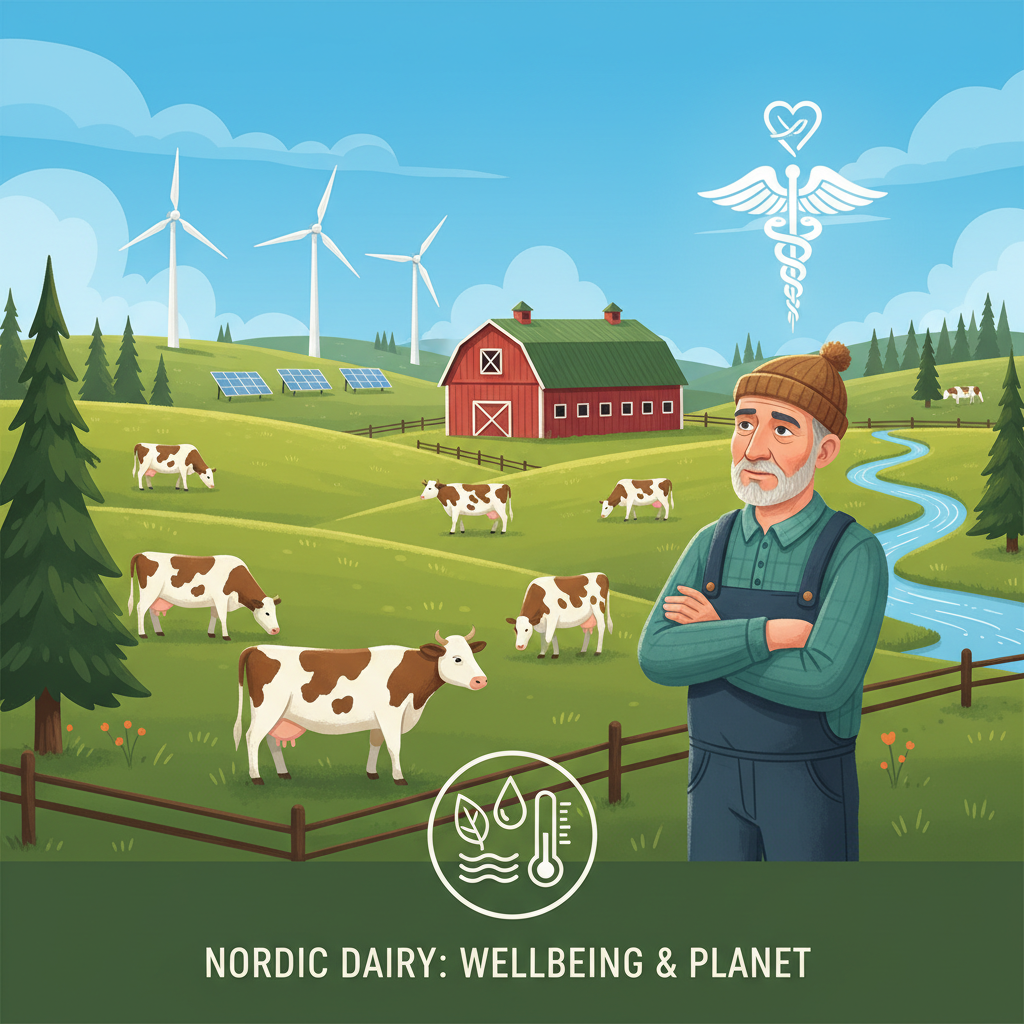
Bovaer Feed Additive Suspended Over Health Concerns in Scandinavian Dairy Industry
The methane-reducing feed additive Bovaer, containing 3-NOP, has been suspended in Denmark, Norway, and Sweden due to widespread health issues in dairy cows.
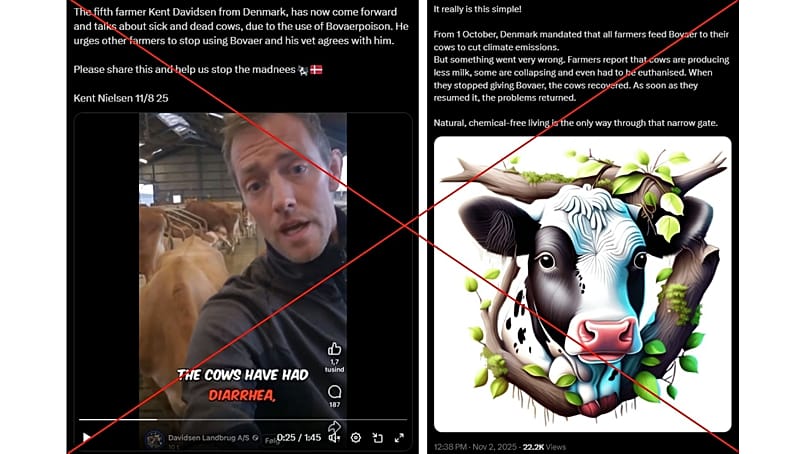
Over 100 Danish farmers reported severe problems including sudden collapses, deaths, and miscarriages.
Norway and Sweden took precautionary measures despite limited local incidents, highlighting fertility and calf health concerns.
The controversy has sparked consumer backlash and raised questions over balancing environmental goals with animal welfare.
These developments have affected the production of "climate milk" and pose challenges for sustainable methane reduction in dairy farming.
Frequently Asked Questions
Q: Bovaer project ends in Sweden
A: The Bovaer project in Sweden, aimed at reducing methane emissions from cattle through feed additives, has recently concluded its phase of implementation or research. This project focused on using the feed additive Bovaer to curb methane production in livestock, contributing to Sweden's environmental and climate goals. The completion of this project marks an important step in evaluating the effectiveness and potential for broader adoption of such technologies in Swedish agriculture.
Q: Health issues from Bovaer in cows
A: Bovaer is a feed additive used in cattle to reduce methane emissions and improve feed efficiency. It is generally considered safe when used as directed, but some cows may experience mild side effects such as changes in appetite or digestive upset. There have been no widespread reports of serious health issues directly linked to Bovaer, but monitoring animal health during its use is recommended. Always consult with a veterinarian before introducing new additives to ensure safety and proper dosage.
Q: Dairy producers stopping Bovaer
A: Some dairy producers have chosen to stop using Bovaer, a feed additive designed to reduce methane emissions from cows. Reasons for discontinuing Bovaer may include concerns over cost, uncertainty about long-term effects, or challenges in integrating the additive into existing feeding routines. Additionally, some producers may be waiting for more research or regulatory clarity before fully adopting the product. Despite these factors, many producers continue to explore methane reduction strategies to improve sustainability.
Q: Methane reducing feed additives for cows
A: Methane reducing feed additives for cows are supplements added to cattle diets to decrease the amount of methane produced during digestion. These additives often include substances like seaweed extracts, oils, or nitrates that inhibit methanogenic microbes in the cow's rumen. By reducing methane emissions—a potent greenhouse gas—these additives help lower the environmental impact of livestock farming. Research shows that some additives can reduce methane emissions by up to 30%, improving sustainability in the dairy and beef industries.
Q: Bovaer safety and side effects
A: Bovaer (1% 3-nitrooxypropanol) is a feed additive used primarily to reduce methane emissions from ruminant animals. It has been evaluated for safety and is generally considered safe when used as directed in animal feed. Side effects in animals are minimal, but it is important to monitor their health and follow dosage guidelines strictly. For humans, handling the compound should be done with care to avoid exposure, and products derived from animals fed Bovaer are subject to regulatory review to ensure food safety.
Key Entities
Bovaer: Bovaer is a feed additive designed to reduce methane emissions from ruminant animals like cows. It works by inhibiting methanogenesis in the stomach, contributing to more sustainable livestock farming.
Gäsene: Gäsene is a dairy cooperative in Sweden known for producing milk and dairy products primarily for the local market. It collaborates with other regional producers to enhance dairy quality and sustainability.
Norrmejerier: Norrmejerier is a Swedish dairy company that serves northern Sweden, offering a range of milk, cheese, and other dairy products. It focuses on sustainable practices and local sourcing to support regional agriculture.
Arla: Arla Foods is a major international dairy cooperative based in Denmark and Sweden, producing milk, cheese, and other dairy products worldwide. The company is committed to sustainability, innovation, and reducing the environmental impact of dairy farming.
Denmark: Denmark is a Scandinavian country with a strong dairy industry, being home to major cooperatives like Arla Foods. The country emphasizes environmental sustainability in agriculture, including innovations to reduce methane emissions.
External articles
- Why misinformation about cow feed additive Bovaer ...
- Misinformation about Bovaer® - DSM-Firmenich
- Fact check: Are cows in Denmark dying over Bovaer ...
Articles in same category
- Word of Faith Movement and Prosperity Gospel: Critical Doctrine Analysis
- 2025 Naturalization Civics Test: Harder Requirements for U.S. Citizenship Applicants
- Maine Senate Race: Progressive Ex-Marine Graham Platner’s Controversy Threatens Democrats’ Bid Against Susan Collins
YouTube Video
Title: Fact check: Are cows in Denmark dying over Bovaer additive?
Channel: euronews
URL: https://www.youtube.com/watch?v=vNq95iq2D1I
Published: 8 days ago
Politics