


Winter Respiratory Illness Surge in U.S.: Flu, COVID-19, RSV Rise
As winter’s chill spreads across the U.S., respiratory illnesses like flu, COVID-19, and RSV are surging, straining hospitals to their limits.
The CDC warns that updated vaccinations, mask wearing in crowded indoor spaces, and early testing are essential to protect vulnerable groups, especially young children.
These illnesses can disrupt holiday plans and healthcare resources, highlighting the need for community efforts to slow transmission and safeguard health.
Pack your masks, get vaccinated, and consult the CDC for the latest guidance to stay ahead this winter.
Read more:
perplexity.ai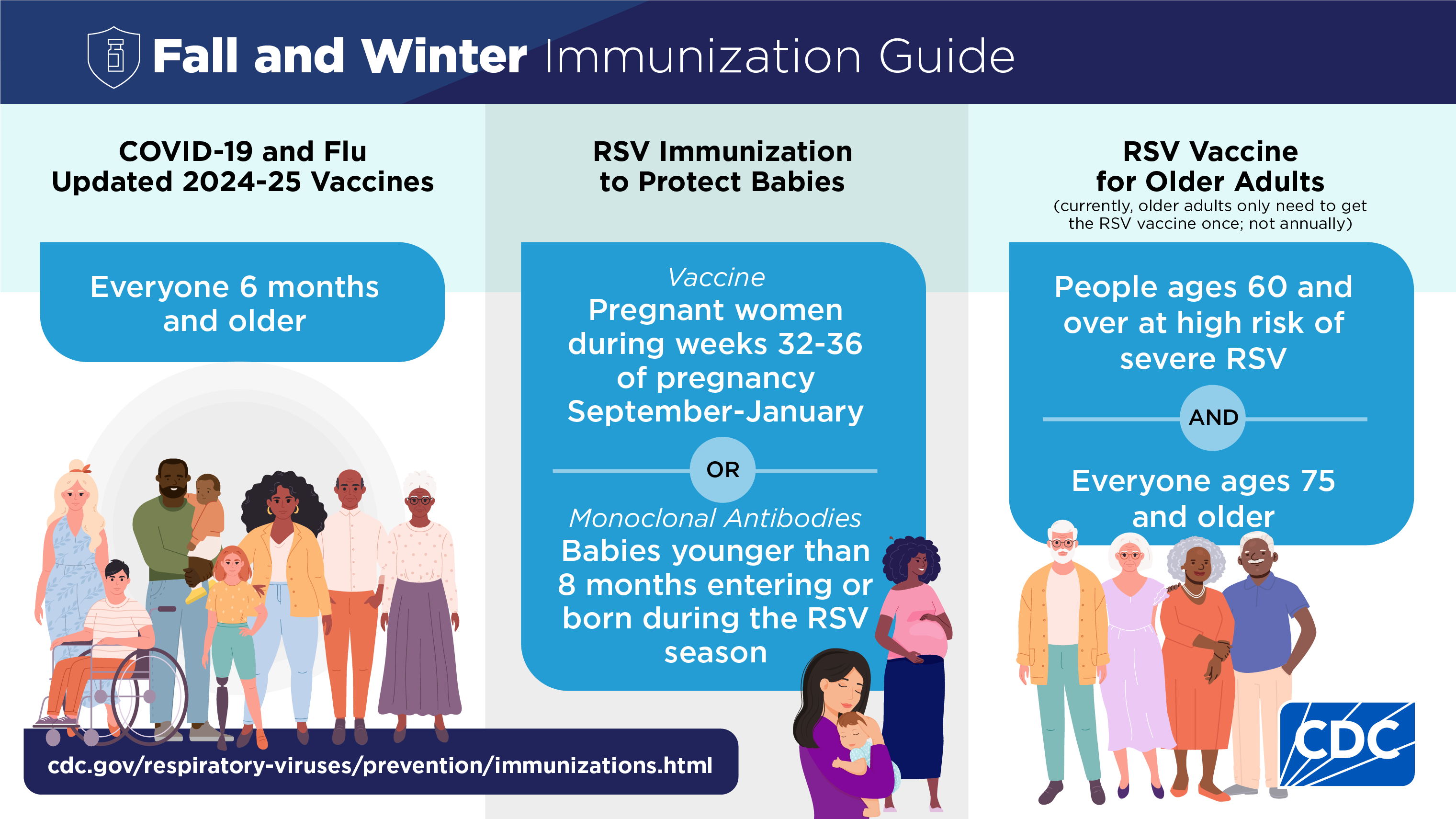
Preparing for Winter’s Grip: The Rising Tide of Respiratory Illnesses Sweeping the U.S.
As winter’s chill creeps across the United States, an unsettling shadow falls alongside the season’s crisp air: a surge in respiratory illnesses that is already stretching hospitals to their limits. The Centers for Disease Control and Prevention (CDC) have sounded a clear and urgent warning—flu, COVID-19, and respiratory syncytial virus (RSV) cases are spiking sharply in multiple regions, prompting medical facilities to activate emergency surge protocols and expand pediatric care capacity.
This winter is shaping up to be more than just a seasonal nuisance. The intertwining waves of these viruses create a complex challenge for healthcare systems still weary from previous pandemic strains. Hospitals are not just preparing but urgently ramping up resources, especially for young children, who remain among the most vulnerable. The call from health officials is both practical and pointed: updated vaccinations are essential, masks regain their place in crowded indoor spaces, and early testing is critical, particularly for those with heightened health risks.
But why does this matter to the average traveler or family gathering for the holidays? Respiratory illnesses can derail plans, strain healthcare resources, and cast a shadow over what should be moments of warmth and togetherness. It’s not merely about personal health, but a community effort to slow the spread, protect the vulnerable, and keep the spirit of the season alive.
Vaccination boosters tailored to this winter’s strains are more than just available—they are vital armor. Masking, once a routine many had set aside, is now a considerate act that safeguards not just oneself but those around us. Early testing allows for quicker isolation and care, potentially stopping outbreaks before they swell.
As you lace up your boots for a winter adventure, pack your masks and don’t delay your vaccinations. The season may be cold, but with awareness and action, the warmth of health and connection can prevail. For those looking for the latest guidance, the CDC website remains the definitive source for staying ahead of the evolving landscape—knowledge that could make all the difference this winter.
Questions and answers
Q: Winter respiratory illnesses in the US
A: During winter in the US, respiratory illnesses such as influenza, respiratory syncytial virus (RSV), the common cold, and COVID-19 are more prevalent due to colder temperatures and indoor gatherings. These viruses spread more easily in close-contact settings and can lead to increased hospitalizations, especially among vulnerable populations like the elderly and young children. Awareness and preventive measures help reduce the impact of these illnesses during the winter months.
Q: How to prepare for flu and COVID-19 this winter
A: To prepare for flu and COVID-19 this winter, get vaccinated against both illnesses as the primary defense. Practice good hygiene, such as regular handwashing and wearing masks in crowded or high-risk settings. Stay informed about local health guidelines, maintain a healthy lifestyle to support your immune system, and keep medications or supplies on hand should you become sick.
Q: Importance of vaccinations for respiratory viruses
A: Vaccinations are crucial in preventing respiratory virus infections because they reduce the risk of severe illness, hospitalization, and death. They help protect not only the individual but also the community by reducing virus transmission. Staying up to date with recommended vaccines like the flu shot and COVID-19 vaccines is a key public health strategy to control outbreaks and maintain overall health.
Q: CDC updates on respiratory virus outbreaks
A: The CDC continuously monitors respiratory virus outbreaks and provides timely updates through their website and public communications. These updates include data on infection trends, guidance on prevention measures, and recommendations for vaccination. Staying informed through official CDC channels helps individuals and healthcare providers respond effectively to changing outbreak conditions.
Q: Tips for staying healthy during winter season
A: To stay healthy during the winter season, focus on maintaining good hygiene by washing hands regularly and avoiding close contact with sick individuals. Keep your living environment well-ventilated and dress warmly to prevent cold-related illnesses. Eating a balanced diet, staying physically active, managing stress, and getting adequate sleep also support a strong immune system throughout the colder months.
Key Entities
Centers for Disease Control and Prevention (CDC): The Centers for Disease Control and Prevention (CDC) is a national public health institute in the United States responsible for monitoring and preventing disease outbreaks. It provides guidance and data to support healthcare systems and hospitals in managing public health concerns, including pediatric care.
United States: The United States has a complex healthcare system comprising public and private entities that deliver medical services across the country. It relies on institutions like the CDC to manage public health and supports hospitals and specialized pediatric care for its population.
hospitals: Hospitals are critical healthcare facilities that provide emergency, acute, and specialized medical services to patients. They play an essential role in implementing public health guidelines and delivering pediatric care within the broader healthcare system.
healthcare systems: Healthcare systems encompass the organizations, institutions, and resources that deliver health services to populations. In the United States, these systems coordinate with agencies like the CDC and hospitals to ensure effective disease prevention and pediatric care.
pediatric care: Pediatric care refers to the medical care and treatment of infants, children, and adolescents. It is provided within hospitals and healthcare systems and is guided by public health policies to address the unique health needs of younger populations.
External articles
- Respiratory Illnesses Data Channel
- Winter Illness Guide
- Simple Steps to Prevent Respiratory Illness This Season
Articles in same category
- Persistent Artery Inflammation: Hidden Causes, Exercise & Supplement Solutions
- Melatonin for Migraine Prevention: Evidence-Based Benefits and Safety Insights
- Ticagrelor Safety and Efficacy Under Scrutiny Due to PLATO Trial Flaws
YouTube Video
Title: COVID-19 vs. Flu vs. RSV: How to tell the difference between respiratory infections
Channel: Doctor Mike Hansen
URL: https://www.youtube.com/watch?v=P_ffUuuID1Q
Published: 2 years ago
Health