

Melatonin for Migraine Prevention: Evidence-Based Benefits and Safety Insights
Melatonin, a hormone that regulates circadian rhythms, has shown promise as a safe and effective option for preventing migraines.
Clinical studies demonstrate that taking 3 mg of melatonin about an hour before bedtime can reduce the frequency and duration of migraine attacks, improve sleep quality, and lower migraine-related disability.
Its benefits are attributed to antioxidant, anti-inflammatory, and neuro-modulatory effects, although more research is needed to fully establish its comparative efficacy.
While natural wellness practices like weighted stretching and tallow balms offer general health benefits, they lack strong evidence supporting their use in migraine prevention.
Given the variability in supplement effectiveness and safety, medical guidance is essential when integrating these approaches into migraine management plans.
Melatonin for Migraine Prevention: An Evidence-Based Review
Migraines are complex neurological conditions characterized by recurrent headaches that can significantly impact quality of life. As patients seek effective and safe preventive treatments, melatonin has emerged as a promising option. This article provides an evidence-based analysis of melatonin for migraine prevention, examines natural wellness practices including weighted stretching and tallow balms, and discusses critical safety considerations for supplements within the broader context of managing chronic health conditions.
Melatonin and Its Role in Migraine Management
Research indicates that melatonin, a hormone regulating circadian rhythms, possesses neuro-modulatory and anti-inflammatory effects that may contribute to migraine frequency reduction. Several randomized controlled trials and meta-analyses support the use of melatonin, particularly at a dosage of 3 mg taken approximately an hour before bedtime, as a preventive treatment for migraines.
A notable randomized trial showed that melatonin supplementation for two months significantly decreased the frequency and duration of migraine attacks compared to placebo, with fewer adverse effects. Additionally, melatonin was linked to improved sleep quality and reduced migraine-related disability. Meta-analyses consistently report a reduction of about 2 to 3 headache days per month, positioning melatonin as comparable in efficacy to established medications like amitriptyline but with a better safety profile.
The mechanistic benefits of melatonin include its antioxidant properties, regulation of neurogenic inflammation, and stabilization of circadian rhythms—an important factor given the documented association between migraines and disrupted sleep-wake cycles. However, some network meta-analyses highlight heterogeneity in results, revealing no statistically significant difference between melatonin and some conventional drugs, indicating that further research is necessary to clarify its role across diverse patient populations.
Natural Remedies and Wellness Practices: Efficacy and Limitations
Beyond melatonin, natural practices are frequently explored for chronic condition management. Weighted stretching, for example, is valued for muscle relaxation techniques and improving muscle tone and circulation. While these benefits support general wellness, there is limited direct scientific evidence linking weighted stretching to effective migraine prevention or treatment. Nonetheless, gentle stretching and exercise are commonly advised to reduce muscular tension, which may indirectly aid some migraine sufferers.
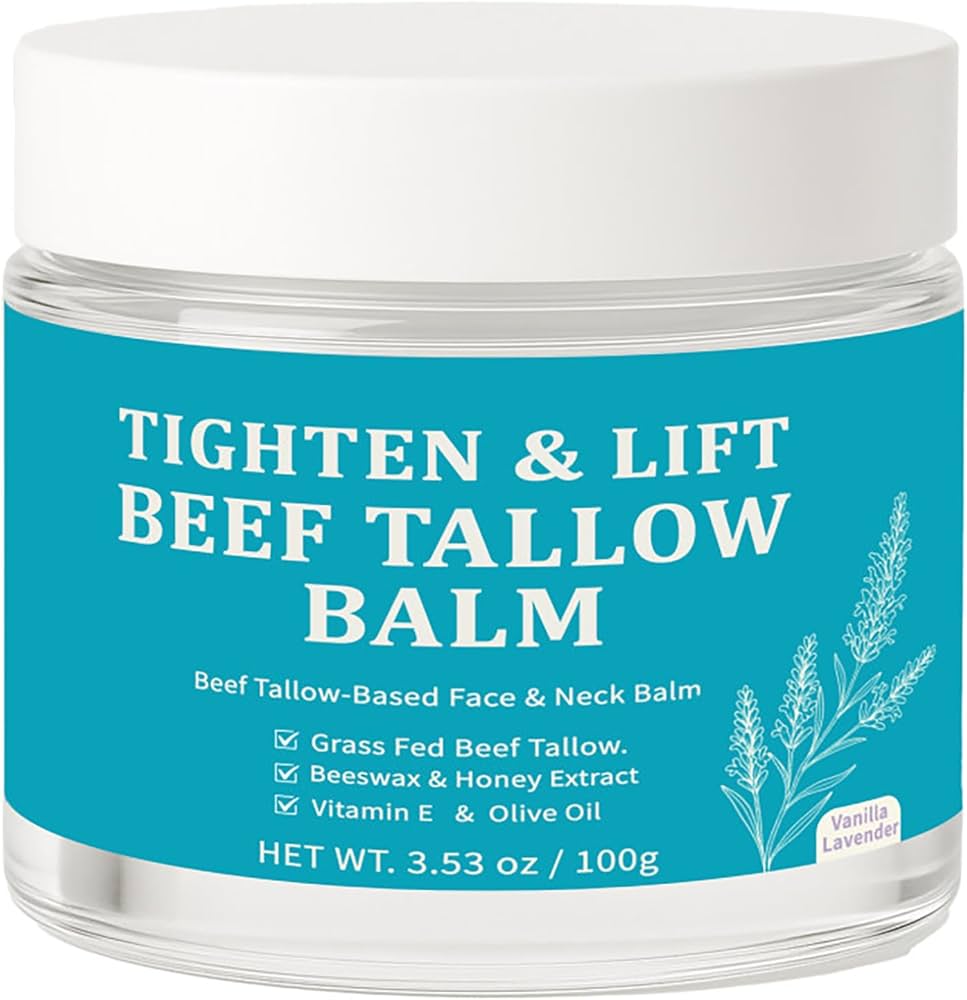
In the realm of skincare, tallow balms are natural moisturizers rich in fatty acids and vitamins, popular in wellness circles for their skin barrier repair and hydrating qualities. Despite their traditional use and safety in topical application, tallow balms lack robust clinical trials validating their efficacy compared to conventional moisturizers. Importantly, they bear no relevance to migraine management but may be a component of holistic skin care in individuals prioritizing natural products.
Safety Considerations and Medical Guidance for Supplement Use
Supplements and wellness products display wide variability in both quality and scientific backing. While melatonin has demonstrated efficacy as a natural remedy for migraine prevention, many other supplements lack rigorous evidence. Given this variability, supplement efficacy should be critically evaluated, and their use should be undertaken under medical supervision.
Healthcare providers should be consulted before initiating any supplement regimen, particularly for individuals with chronic health conditions or those currently on prescribed treatments. Professional diagnosis and personalized medical advice remain essential, as individual responses and safety profiles can differ. Supplements should serve as complementary options rather than substitutes for evidence-based medical therapies.
Clarifying Misconceptions Surrounding Alternative Health Practices
The growing popularity of natural remedies and alternative health practices necessitates a clear understanding of their scientific validity. Melatonin's neuro-modulatory properties and anti-inflammatory effects provide a sound rationale for its use in migraine prevention backed by clinical evidence. Conversely, some wellness products like weighted stretching and tallow balms, though beneficial for general wellbeing, lack direct, strong evidence for migraine treatment.
Patients and healthcare professionals alike must approach alternative approaches with a critical lens, integrating evidence-based natural remedies into comprehensive treatment plans while avoiding misconceptions that substitute unproven practices for effective medical care.
Conclusion
Current evidence supports melatonin as a generally safe and effective supplement to reduce the frequency and duration of migraine attacks, primarily through its circadian regulation and anti-inflammatory actions. While natural wellness practices such as weighted stretching and tallow balm skincare offer general health benefits, their roles in migraine prevention are not supported by strong clinical data. Given the variable efficacy and safety profiles of supplements, medical consultation is crucial to ensure safe and personalized management of migraines. This synthesis underscores the importance of evidence-based natural remedies and the responsible integration of wellness practices within professional healthcare frameworks.
---
Medical Disclaimer: This article does not constitute medical advice. Individuals considering melatonin or any supplement for migraine prevention should consult their healthcare provider for diagnosis and personalized treatment recommendations.
Frequently Asked Questions
Q: Truth about this health condition
A: Understanding the truth about any health condition requires reliable information from medical professionals and scientific research. Many health conditions have varied symptoms and can affect individuals differently, making personalized diagnosis and treatment essential. It's important to consult healthcare providers for accurate diagnosis, effective management, and to dispel common myths that may cause unnecessary fear or misunderstanding.
Q: Does melatonin help migraines
A: Melatonin, a hormone that regulates sleep-wake cycles, has been studied for its potential to help prevent migraines. Some research suggests that melatonin supplementation may reduce the frequency and severity of migraine attacks, possibly due to its role in regulating sleep and its antioxidant properties. However, evidence is mixed, and melatonin is not universally effective for all migraine sufferers. It's important to consult a healthcare provider before using melatonin as a migraine treatment.
Q: Benefits of weighted stretching
A: Weighted stretching involves adding light weights to your limbs while performing stretches, which can enhance flexibility and increase the stretch intensity. This practice helps improve muscle strength, joint mobility, and range of motion more effectively than stretching alone. Additionally, weighted stretching can aid in injury prevention by preparing muscles and tendons for physical activity and promoting better muscle control.
Q: Natural skin care products
A: Natural skin care products are made from ingredients derived from plants, minerals, and other natural sources rather than synthetic chemicals. These products often include oils, herbs, and extracts designed to nourish and protect the skin gently. Many people choose natural skin care to avoid potential irritants and harsh additives commonly found in conventional products. It's important to check ingredient lists carefully, as 'natural' is not always a regulated term.
Q: Dr. Mercola health advice
A: Dr. Joseph Mercola is an alternative medicine proponent known for promoting natural health approaches such as nutrition, supplements, and lifestyle changes. He emphasizes the importance of a nutrient-dense diet, regular physical activity, reducing exposure to toxins, and optimizing vitamin D levels. However, some of his advice and claims have been controversial and not always supported by mainstream scientific consensus. It's important to consult with qualified healthcare professionals and critically evaluate health information from multiple reliable sources.
Key Entities
Dr. Joseph Mercola: Dr. Joseph Mercola is an osteopathic physician known for promoting alternative medicine and health supplements on his website. He has been a controversial figure due to his criticism of conventional medical practices and the FDA.
Mercola.com: Mercola.com is a health-related website founded by Dr. Joseph Mercola that offers articles, supplements, and advice on alternative medicine. The site has faced criticism for spreading misinformation about vaccines and other medical topics.
Food and Drug Administration: The Food and Drug Administration (FDA) is a U.S. government agency responsible for protecting public health by regulating food, drugs, and medical devices. It often reviews and challenges claims made by alternative health promoters like Dr. Joseph Mercola.
External articles
- 4 Surprising Health Truths You Should Know
- 25 Fascinating Facts About The Health Sciences
- 5 Facts About Health That Are Often Misunderstood
Articles in same category
- Ticagrelor Safety and Efficacy Under Scrutiny Due to PLATO Trial Flaws
- Exploring the Link Between Viruses and Neurological Diseases: Epstein–Barr Virus and Beyond
- Modern Nutrition Insights: Fats, Supplements, and Gut Health for Optimal Performance
YouTube Video
Title: Forge Skin Tighten & Lift Beef Tallow Balm #forgeskin #beeftallowbalm #tiktokshopblackfriday
URL: https://www.youtube.com/shorts/JgkaBleIatM
Health