


WHO Endorses GLP-1 Drugs for Obesity Treatment: A Global Health Breakthrough
The World Health Organization (WHO) has endorsed GLP-1 drugs for treating obesity, marking a significant shift in global weight management.
These medications regulate appetite and blood sugar, offering effective options beyond diet and exercise.
The endorsement highlights obesity as a public health issue and aims to improve access, especially in countries facing rising obesity rates.
This new strategy includes innovative treatments alongside prevention, addressing the broader social and economic impacts of obesity.
WHO’s recommendation offers hope for more effective, equitable obesity care worldwide.
Read more:
perplexity.ai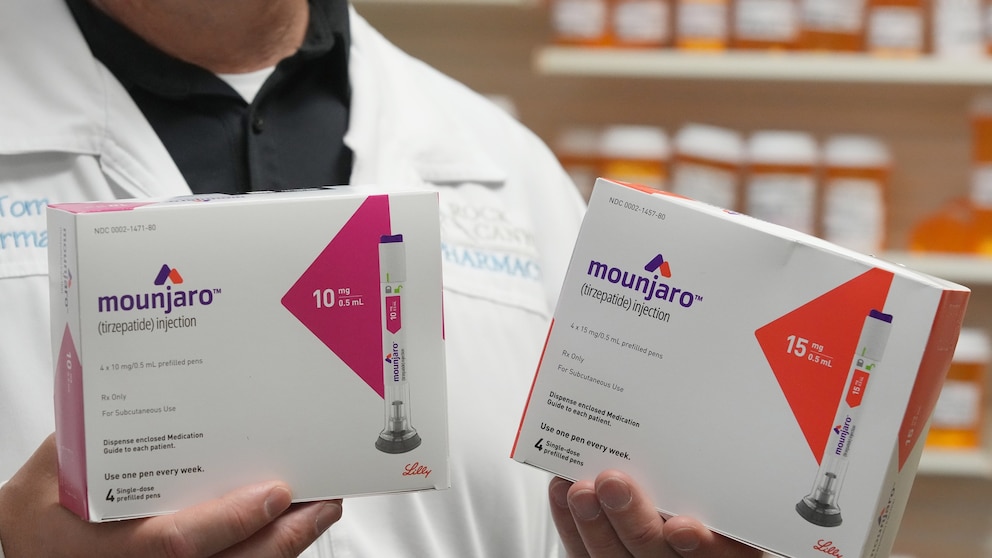
WHO Endorses GLP-1 Drugs: A New Dawn in Global Obesity Management
In a landmark shift poised to transform the landscape of weight management worldwide, the World Health Organization (WHO) has officially recommended GLP-1 drugs for the treatment of obesity. This move is not just a medical update—it’s a global wake-up call signaling a fresh, hopeful chapter in addressing one of the planet’s most pervasive health challenges.
The announcement underscores how metabolic health is no longer regarded as a personal issue alone but as a critical battlefield in public health. GLP-1 medications, which work by regulating appetite and blood sugar, have surged to prominence for their efficacy, offering new pathways where diet and exercise have sometimes fallen short. By endorsing these drugs, WHO not only legitimizes their use but also sets the stage for broader access, especially in countries grappling with soaring obesity rates.
This recommendation arrives against a backdrop of escalating health burdens linked to obesity, from diabetes to cardiovascular diseases, affecting millions worldwide. The policy leap signals a shift from prevention alone to a comprehensive strategy inclusive of innovative treatment options, opening doors for patients and healthcare systems alike.
Beyond the clinical implications, the endorsement also invites a larger conversation about the social and economic dimensions of obesity. It challenges governments and communities to rethink how they approach health equity, medication affordability, and chronic disease management.
As this new guidance ripples through health networks globally, the promise is clear: a future where obesity treatment is more effective, equitable, and integrated into holistic care systems. For those battling obesity, and the clinicians who support them, WHO’s recommendation to embrace GLP-1 drugs marks a turning point infused with hope and renewed possibility.
Questions and answers
Q: WHO endorsement of GLP-1 drugs
A: The World Health Organization (WHO) has acknowledged the potential benefits of GLP-1 receptor agonists, such as their role in managing obesity and type 2 diabetes. While WHO has not issued a formal global endorsement specifically for GLP-1 drugs, they emphasize integrating effective medications into comprehensive obesity management plans. Ongoing reviews and guidelines may further clarify their recommendations as evidence evolves.
Q: GLP-1 medication for obesity
A: GLP-1 medications, such as semaglutide and liraglutide, are glucagon-like peptide-1 receptor agonists initially developed for diabetes but now approved to help manage obesity. They work by reducing appetite and increasing feelings of fullness, leading to significant weight loss when combined with lifestyle changes. These drugs have become an important tool for individuals struggling with excess weight and related health conditions.
Q: New obesity treatments 2024
A: In 2024, new obesity treatments continue to focus on innovative drug therapies, including next-generation GLP-1 receptor agonists and combination medications targeting multiple pathways to enhance weight loss. Research also explores novel approaches like gut microbiome modulation, injectable peptides, and digital health interventions. These developments aim to provide more effective and personalized options for obesity management.
Q: Global obesity management strategies
A: Global obesity management strategies emphasize a multi-faceted approach including public health policies, lifestyle interventions, and medical treatments. Countries prioritize prevention through education, promoting healthy diets, and increasing physical activity, alongside improving access to effective medications and bariatric surgery. Collaborative efforts between governments, healthcare providers, and communities are essential to address the growing obesity epidemic worldwide.
Q: Affordability of obesity drugs
A: The affordability of obesity drugs, particularly newer therapies like GLP-1 receptor agonists, remains a challenge for many patients due to high costs and limited insurance coverage. Efforts are underway to increase access through generic alternatives, patient assistance programs, and policy initiatives aimed at reducing drug prices. Improving affordability is crucial to ensure that effective obesity treatments reach a broader population and reduce health disparities.
Key Entities
World Health Organization: The World Health Organization (WHO) is a specialized agency of the United Nations responsible for international public health. It coordinates global health initiatives and sets standards to combat diseases worldwide.
WHO: WHO stands for the World Health Organization, an international body aimed at improving health outcomes across nations. It leads efforts on health policy, disease prevention, and emergency responses.
External articles
- Media Tip Sheet: WHO Endorses GLP-1 Drugs for Obesity ...
- WHO backs GLP-1 therapies for obesity
- WHO issues global guideline on the use of GLP-1 ...
Articles in same category
- Persistent Artery Inflammation: Hidden Causes, Exercise & Supplement Solutions
- Melatonin for Migraine Prevention: Evidence-Based Benefits and Safety Insights
- Ticagrelor Safety and Efficacy Under Scrutiny Due to PLATO Trial Flaws
YouTube Video
Title: Obesity Crisis in India: WHO Endorses GLP-1 Drugs for Long-Term Treatment | WHO Guidelines Approved
URL: https://www.youtube.com/shorts/_QMPTzad08c
Health