

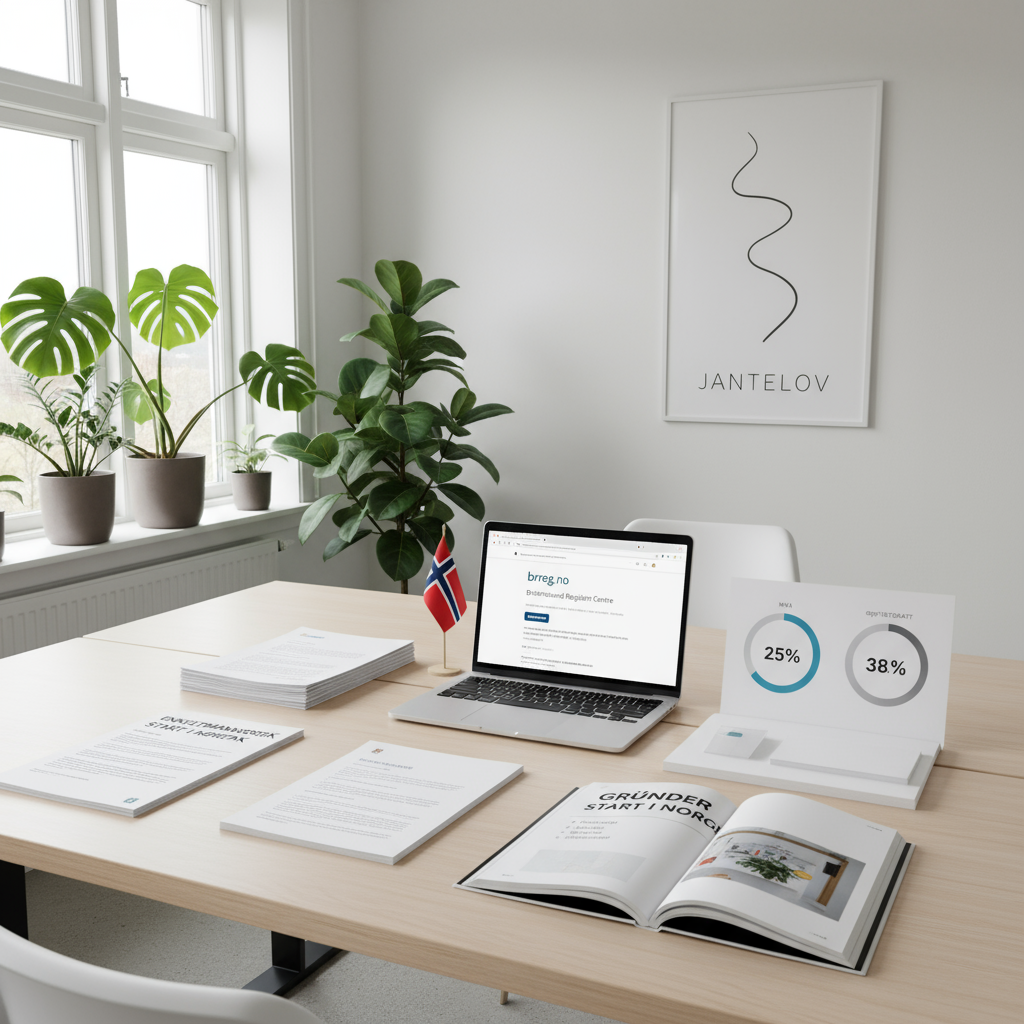
Starting a Business in Norway: Legal, Tax, and Cultural Insights
Starting a business in Norway offers unique challenges and opportunities shaped by its strong legal system, cultural values, and emphasis on sustainability. Entrepreneurs must navigate registration with the Brønnøysund Register Centre, choose suitable business structures—such as sole proprietorships, which are simple but carry personal liability—and understand Norway's progressive tax system, including VAT and SAF-T accounting requirements. Cultural norms like Janteloven promote humility and equality, influencing business interactions, while strict tax enforcement demands meticulous record-keeping. Foreign entrepreneurs are advised to align with Norway's eco-conscious market, engage local resources like accountants familiar with Norwegian GAAP, and adapt to the consensus-driven, punctual business culture. With careful preparation, local support, and a commitment to sustainable practices, Norway provides a promising environment for business success.
Summary
Starting a business in Norway presents a unique set of challenges and opportunities, shaped by the country's robust legal framework, cultural norms, and a strong emphasis on sustainability. Whether you're considering a sole proprietorship or another business structure, understanding the Norwegian market, taxation, and business regulations is crucial. This guide delves into the intricacies of initiating a commercial venture in Norway, offering practical advice for both local and foreign entrepreneurs.
Key Takeaways: - Starting a Business in Norway involves registration with the Brønnøysund Register Centre and understanding local business regulations. - Sole Proprietorships are popular due to their simplicity but come with personal liability. - Taxation in Norway includes high personal income tax rates and corporate taxes, with specific accounting challenges like SAF-T compliance. - Cultural Norms like Janteloven influence business dynamics, promoting humility and equality. - Environmental Focus is integral, with businesses encouraged to adopt sustainable practices from the start.
Challenges and Legal Requirements When Starting a Business in Norway
Registration and Business Structures
Starting a business in Norway begins with registration at the Brønnøysund Register Centre, where you'll need to decide on your business structure. For many, especially solo entrepreneurs, a sole proprietorship or 'Enkeltpersonforetak' is the go-to due to its straightforward setup. However, this structure means you're personally liable for all business debts, which can be a significant risk. Other options include private limited companies (AS) or public limited companies (ASA), which offer limited liability but require more capital and formalities.
Navigating Taxation and VAT
Norway's taxation system is progressive, with personal income from business activities taxed at rates up to 38.2% when including social security contributions. For businesses, understanding and complying with VAT regulations is essential, with a standard rate of 25%, though some goods like food are taxed at a reduced 15%. Entrepreneurs must also be aware of the accounting challenges posed by the SAF-T requirements, which mandate electronic submission of accounting data for tax audits.
Business Regulations and Compliance
Norway's business regulations are stringent, focusing on labor rights, environmental standards, and data protection. Compliance with GDPR is non-negotiable, and businesses must also adhere to local zoning laws, which can affect where you can operate. For foreign entrepreneurs, understanding these regulations can be daunting, but resources like Innovation Norway offer support.
Cultural and Systemic Obstacles Unique to Norway
The Influence of Janteloven
Janteloven, a cultural norm discouraging individual boasting, plays a significant role in Norwegian business culture. This ethos fosters a business environment where equality and humility are valued over aggressive self-promotion. While this can lead to a more harmonious workplace, it might also limit the visibility of innovative ideas or entrepreneurial spirit, as individuals might shy away from standing out.
Tax Enforcement and Record-Keeping
The Norwegian tax system is known for its strict enforcement, requiring meticulous record-keeping. Regular audits are common, and businesses must be prepared for this level of scrutiny. This rigorous approach ensures compliance but can be a burden, especially for startups or small businesses without dedicated accounting staff.
Practical Advice for Foreign Entrepreneurs
Understanding the Market
The Norwegian market is characterized by high living standards and a consumer base that values eco-friendliness and sustainability. For foreign entrepreneurs, this means aligning business practices with natur (nature) considerations, possibly through eco-certifications or sustainable practices from the outset.
Engaging with Local Resources
For those unfamiliar with Norwegian business practices, engaging with local resources is invaluable. Hiring local accountants who understand Norwegian GAAP (Generally Accepted Accounting Principles) can ease the transition. Additionally, registering with the Enhetsregisteret and joining local business networks can provide support and insights into the market dynamics.
Adapting to Business Culture
Norwegian business culture emphasizes consensus, punctuality, and a flat organizational structure. Foreign entrepreneurs should adapt to this by fostering open communication, respecting work-life balance, and understanding the importance of punctuality in business dealings. This cultural adaptation can significantly smooth business operations and enhance relationships with local partners and employees.
Conclusion
Starting a business in Norway is a journey that requires navigating through a complex web of legal, cultural, and market-specific challenges. From the bureaucratic steps of registration and understanding taxation to embracing cultural norms like Janteloven, entrepreneurs must be well-prepared. However, with the right approach, support from organizations like Innovation Norway, and a commitment to sustainability, Norway offers a fertile ground for business innovation and success. Whether you're a local or a foreign entrepreneur, the keys lie in preparation, local engagement, and a respectful integration into the Norwegian way of doing business.

Frequently Asked Questions
Q: how to start a business in Norway
A: To start a business in Norway, first choose a suitable business structure, such as a sole proprietorship or limited liability company. Register your business with the Brønnøysund Register Centre, and obtain any necessary permits or licenses depending on your industry. You will also need to register for VAT if your turnover exceeds a set threshold. Additionally, familiarize yourself with Norwegian tax regulations and consider consulting local business advisors to ensure compliance and successful launch.
Q: business regulations in Norway
A: Business regulations in Norway are designed to ensure transparency, fair competition, and sustainable practices. Companies must comply with laws related to company registration, taxation, labor rights, health and safety, and environmental standards. Norway has a straightforward process for starting a business, but strict rules govern employment contracts, social security contributions, and workplace safety. Additionally, businesses must adhere to anti-corruption laws and consumer protection regulations.
Q: tax rules for sole proprietorship Norway
A: In Norway, a sole proprietorship is taxed as part of the owner's personal income, meaning business profits are subject to personal income tax rates. Owners must report business income and expenses on their personal tax return, and pay both income tax and social security contributions (trygdeavgift). The tax rates combine step taxation and bracket rates, with the possibility of deducting business-related expenses. It's essential to keep accurate records and may require registering for VAT if turnover exceeds a certain threshold (currently NOK 50,000).
Q: accounting for businesses in Norway without Norwegian language
A: It is possible to manage accounting for businesses in Norway without knowing Norwegian, especially by using international accounting software that supports multiple languages. Many accounting firms and services in Norway offer assistance in English, the most common alternative language used in business. However, official documents and filings with Norwegian authorities are typically in Norwegian, so translations or the help of a bilingual accountant may be necessary to ensure compliance. Utilizing digital tools and professional services can simplify accounting tasks for non-Norwegian speakers.
Q: challenges for foreigners starting a business in Norway
A: Foreigners starting a business in Norway may face challenges such as understanding local regulations, navigating the registration process, and meeting language requirements, as many official documents and communications are in Norwegian. Additionally, foreigners must obtain the appropriate permits or visas to legally establish and operate a business. Access to financing and building a local network can also be difficult initially, but Norway's transparent legal system and support for entrepreneurship provide valuable resources to help overcome these obstacles.
Key Entities
Norway: Norway is a Scandinavian country known for its extensive coastline, natural fjords, and strong welfare system. It regulates and oversees corporate entities, taxation, and food safety through various national agencies.
Brønnøysund corporate registry: The Brønnøysund corporate registry is Norway’s official register for business and company information. It ensures transparency and legal compliance for Norwegian enterprises.
Norwegian tax authorities: The Norwegian tax authorities manage taxation and revenue collection across the country. They play a key role in enforcing tax laws and ensuring proper fiscal governance.
Mattilsynet: Mattilsynet is the Norwegian Food Safety Authority responsible for food safety, animal health, and plant health regulations. It safeguards public health by overseeing compliance with relevant standards.
Oda: Oda is a Norwegian online grocery retailer specializing in home delivery services. It operates under regulations governed by authorities like the Brønnøysund registry and Mattilsynet.
External articles
- Starting a Business in Norway: Watch Out for These Traps
- Challenges of doing business in Norway
- What challenges did you face when you started your own ...
Related Articles
- Navigating the Norwegian Job Market: Overcoming Immigrant Hiring Challenges
- Snikskryting: Norway’s Unique Humblebragging Reflecting Social Inequality
- How Norwegians Achieve Unique English Proficiency Through Education and Culture
YouTube Video
Title: Understanding the Norwegian Tax System – What Every Newcomer Needs to Know
Channel: Norway Perspectives
URL: https://www.youtube.com/watch?v=ZgbuJ_NAiZo
Published: 3 months ago
Domestic