

Rising Cyber Attacks and Physical Threats Target U.S. Government Officials’ Safety
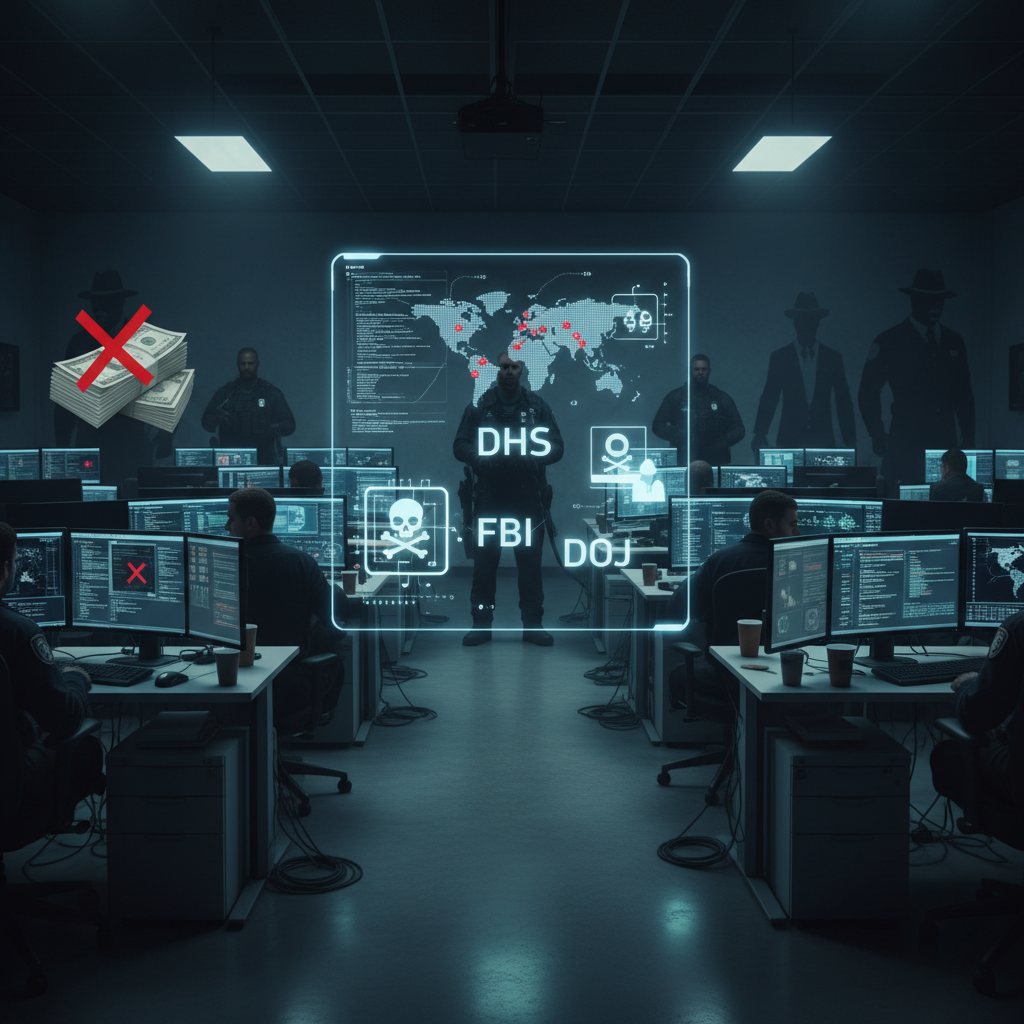
Recent cyber attacks have compromised sensitive information of hundreds of U.S. government officials, resulting in increased doxing and online harassment that threaten their digital and physical safety. Government agencies like DHS, ICE, FBI, and DOJ have been targeted by hackers linked to the Scattered LAPSUS$ Hunters group, intensifying cybersecurity risks. Additionally, Mexican cartels are reportedly offering bounties for doxing and harming Border Patrol and ICE agents, merging cyber threats with physical intimidation. Platforms such as Telegram facilitate these malicious activities by providing encrypted channels for coordination. This complex threat environment demands comprehensive security strategies to protect government personnel from both cyber intrusions and cartel-driven violence.
Rising Cyber Attacks and Physical Threats Target U.S. Government Officials
Recent cyber attacks have exposed sensitive personal information of hundreds of U.S. government officials, heightening concerns about the safety and security of law enforcement personnel. The fallout from these data breaches includes increased doxing and online harassment, which amplify the risks faced by officials both digitally and physically.
Cyber Attacks and Information Leaks
The Department of Homeland Security (DHS), Immigration and Customs Enforcement (ICE), Federal Bureau of Investigation (FBI), and Department of Justice (DOJ) have all suffered significant information leaks. Hackers affiliated with the Scattered LAPSUS$ Hunters group—a faction within a broader hacking community—have been responsible for these breaches. Their activities highlight an intensifying wave of cyber attacks targeting not only government agencies but also various corporate entities.
Doxing, the public release of private information, has become a central tactic in these cyber attacks. By exposing personal data, hackers increase the potential for harassment and intimidation of officials, compounding cybersecurity challenges.
Cartel-Linked Threats and Physical Intimidation
Compounding the digital threats, there are credible claims that Mexican cartels are involved in offering bounties for the doxing of Border Patrol and ICE agents. Furthermore, these criminal organizations are reportedly placing monetary rewards on the injury or killing of such officials. This development represents a disturbing fusion of cyber and physical threats, where cartel operations exploit online platforms to coordinate and advance their efforts.
The Role of Platforms Like Telegram
Platform usage by malicious actors further intensifies these risks. Telegram and similar communication tools have become hubs for coordinating cyber threats and disseminating stolen information. Their encrypted and often unregulated nature makes them attractive venues for hackers and criminal organizations to align their operations, creating complex vulnerabilities in government data security.
Implications for Government Data Security and Online Safety
The intersection of mass doxing, online harassment, and physical intimidation presents multifaceted security challenges. The combined digital and physical risks necessitate a holistic approach to protecting government personnel—especially those in sensitive law enforcement roles. Strategies must address both cybersecurity defenses against data breaches and measures to counter physical threats stemming from cartel-related criminal activity.
Conclusion
The evolving landscape of government data breaches, online harassment, and targeted physical threats underscores the urgent need for enhanced security protocols. As hackers like the Scattered LAPSUS$ Hunters continue their cyber attacks and cartels utilize bounties to target law enforcement agents, coordinated efforts across digital security and physical protection are essential to safeguarding U.S. government officials and preserving the integrity of national security operations.

Frequently Asked Questions
Q: who hacked DHS officials
A: In late 2021, Chinese state-sponsored hackers were reported to have targeted officials at the U.S. Department of Homeland Security (DHS) in a cyber espionage campaign. These hackers sought to gain unauthorized access to sensitive government information, often exploiting vulnerabilities in email accounts and networks. The U.S. government attributed these attacks to advanced persistent threat groups linked to China, aiming to gather intelligence for strategic purposes. Efforts to strengthen cybersecurity measures and counter such intrusions continue to be a top priority for DHS and other agencies.
Q: latest doxing of government employees
A: As of mid-2024, there have been several reported instances of doxing involving government employees, where private information such as home addresses, phone numbers, or other personal details have been maliciously shared online. These incidents often stem from political activism, cyberattacks, or efforts to intimidate or retaliate against individuals working in government roles. Authorities and cybersecurity experts continuously urge caution and recommend reporting such breaches to law enforcement agencies promptly to mitigate risks and protect privacy.
Q: how did hackers get FBI data
A: Hackers have obtained FBI data through various methods, including exploiting software vulnerabilities, phishing attacks targeting FBI personnel, or using malware to gain unauthorized access to FBI systems. In some reported cases, ransomware groups or cybercriminals have infiltrated networks by exploiting weak security measures or stolen credentials. Such breaches underscore the importance of robust cybersecurity protocols, regular software updates, and employee training to prevent unauthorized data access.
Q: impact of data breach on ICE agents
A: A data breach involving U.S. Immigration and Customs Enforcement (ICE) agents can compromise sensitive personal and operational information, putting agents at risk of identity theft, harassment, or physical harm. It can also undermine ongoing investigations and reduce trust within the agency. Such breaches may necessitate costly security upgrades and damage public confidence in ICE's ability to protect its personnel and data.
Q: Scattered LAPSUS$ Hunters hacking group
A: The LAPSUS$ hacking group is a cybercriminal organization known for its high-profile data breaches targeting major corporations and government agencies. 'Scattered LAPSUS$ Hunters' likely refers to various individuals or smaller groups affiliated with or inspired by LAPSUS$, engaging in similar hacking activities. The original LAPSUS$ group gained notoriety for their bold tactics, including social engineering and insider recruitment, to steal sensitive data and demand ransoms. Law enforcement continues to track and dismantle these scattered actors to curb their cybercrime impact.
Key Entities
Department of Homeland Security: The Department of Homeland Security (DHS) is a U.S. federal agency responsible for protecting the nation from a wide range of threats, including terrorism and cyberattacks. It coordinates efforts across various agencies to safeguard national security and ensure public safety.
Immigration and Customs Enforcement: Immigration and Customs Enforcement (ICE) is a U.S. federal law enforcement agency under the Department of Homeland Security, focusing on immigration enforcement and investigating criminal activities related to customs and border security. ICE plays a critical role in identifying and apprehending individuals who violate immigration laws.
Federal Bureau of Investigation: The Federal Bureau of Investigation (FBI) is the principal federal investigative agency of the United States Department of Justice, tasked with addressing national security and criminal investigations. It investigates a broad range of crimes, including cyber intrusions and organized crime, and supports other law enforcement bodies.
Department of Justice: The Department of Justice (DOJ) oversees the enforcement of federal laws and administration of justice in the United States. It directs federal law enforcement agencies, including the FBI, and prosecutes cases on behalf of the government to uphold legal and criminal standards.
Scattered LAPSUS$ Hunters: Scattered LAPSUS$ Hunters refers to diverse groups or individuals tracking activities related to the LAPSUS$ hacking collective, known for high-profile cyber intrusions. These hunters analyze digital evidence to identify and counteract the threat posed by this cybercriminal organization.
External articles
- DHS Condemns Dangerous Doxxing and Escalating ...
- Anarchists and Rioters in Portland Illegally Dox ICE ...
- Santa Monica Man Arrested on Federal Criminal Complaint ...
Related Articles
- Naked Mole-Rats: Unraveling the Secrets of Eusociality and Longevity
- AI Hallucinations in Legal Practice: Court Sanctions Highlight Risks
- Controversy Surrounding AI Judging Tool at Canadian Brewing Awards
YouTube Video
Title: How a Kid Hacked GTA 6
Channel: meld
URL: https://www.youtube.com/watch?v=a0ra3qR_beo
Published: 1 year ago
Technology