

Oslo Rental Market Challenges: Rising Rents, Shortages & Solutions
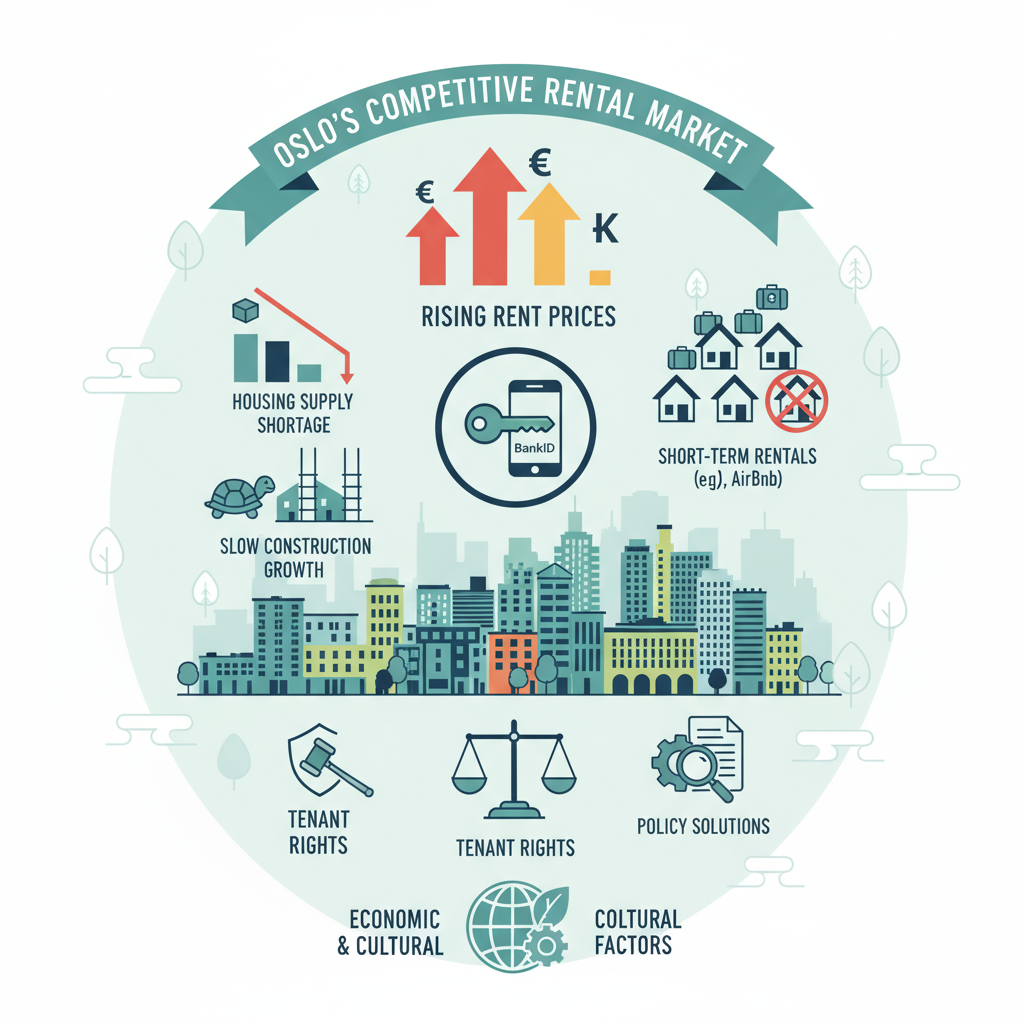
Oslo's rental market is facing significant challenges due to high demand, limited housing supply, and rising rent prices. The increasing popularity of short-term rentals and the requirement of BankID for rental transactions further complicate access for newcomers, especially immigrants. Additionally, construction delays and environmental preservation efforts restrict new housing developments, exacerbating the shortage. To address these issues, strengthening tenant rights, implementing policies for affordable housing, and regulating short-term rentals are crucial steps. These measures aim to ensure stable, affordable housing for all residents, preserving Oslo’s vibrant community amid economic growth and sustainability goals.
The Rising Tide of Oslo's Rental Market: Challenges and Solutions
Oslo, Norway's capital, has become a hotspot for both locals and expatriates, leading to a highly competitive rental market. With rising rent prices, a housing shortage, and unique challenges like the necessity of BankID for transactions, finding a place to live in Oslo has become increasingly difficult. This article delves into the intricacies of Oslo's rental landscape, exploring the economic, policy, and cultural factors at play.
Key Takeaways: - The rental market in Oslo is driven by high demand and limited supply, leading to soaring rent prices. - Newcomers face additional barriers due to the requirement of BankID, while short-term rentals reduce long-term housing availability. - There is a pressing need for policies that enhance tenant rights, increase affordable housing, and address the construction slowdown.
The Competitive Landscape of Oslo's Rental Market
Economic Pressures and Housing Demand
Oslo's rental market is a microcosm of its booming economy. As one of the wealthiest regions in Norway, Oslo attracts a significant influx of both domestic and international residents. This high demand, coupled with a limited supply of rental properties, has escalated rent prices. The economic stability of the area, alongside employment rates and population growth, further fuels this competitive environment. According to recent data, rent prices in Oslo have seen a notable increase over the past few years, outpacing inflation and wage growth, which makes securing affordable housing a challenge for many.
The Impact of Short-Term Rentals
The proliferation of short-term rentals like Airbnb has significantly altered the rental dynamics in Oslo. Property owners often find short-term rentals more lucrative, which reduces the stock of available long-term rental properties. This shift not only affects the rental market by decreasing the availability of flats for permanent residents but also impacts local community stability as neighborhoods turn into transient zones for tourists. This trend is particularly pronounced in areas popular with visitors, exacerbating the housing shortage in prime residential areas.
Challenges for Renters in Oslo
The BankID Barrier
One unique challenge in Oslo's rental market is the requirement of BankID for many transactions, including renting. BankID, a digital identity verification system, is essential for signing rental agreements online. However, newcomers, especially those from abroad, often find themselves at a disadvantage because obtaining a BankID requires a Norwegian personal number, which can take time to acquire. This barrier significantly delays the housing search process for immigrants, making their integration into the city's fabric more challenging.
Housing Shortage and Construction Delays
The housing shortage in Oslo is not just a result of high demand but also of slowed new flats construction. High land costs, stringent regulatory requirements, and a commitment to environmental sustainability have all contributed to a lag in new housing developments. Oslo's focus on preserving natur or natural environments means that urban expansion is carefully controlled, limiting the areas available for new construction. This environmental consciousness, while beneficial for sustainability, indirectly affects the housing market by reducing the potential supply of new homes.
Addressing the Rental Crisis
Strengthening Tenant Rights
To combat the rental crisis, there is a clear need for stronger tenant rights. Although Norway has robust tenant protection laws, the enforcement and awareness of these rights can be inconsistent. Enhancing legal aid services, increasing public awareness campaigns, and ensuring that all tenants, especially newcomers, understand their rights could provide significant relief. This approach would align with global best practices seen in cities like Berlin, where tenant rights movements have led to significant policy changes.
Policy Innovations for Affordable Housing
Government intervention through renter support and affordable housing policies is crucial. Initiatives could include financial assistance for renters, tax incentives for developers focusing on affordable housing, or even direct government construction projects. By looking at successful models like San Francisco's inclusionary zoning policies, Oslo could adapt strategies that ensure a portion of new developments are dedicated to affordable housing, thus directly addressing the rental market dynamics.
Regulating Short-Term Rentals
A potential solution to the dominance of short-term rentals could be regulatory measures similar to those implemented in other cities. For instance, capping the number of days a property can be rented out short-term or requiring a permit could redirect some properties back to the long-term rental market. This would not only help in mitigating the housing shortage but also stabilize communities by reducing the transient nature of neighborhoods.
Conclusion
Oslo's rental market presents a complex challenge influenced by economic prosperity, policy decisions, and cultural values. The city's commitment to sustainability, while commendable, adds layers of complexity to the housing crisis. However, through a combination of enhancing tenant protections, innovating housing policies, and regulating short-term rentals, Oslo can begin to alleviate the pressures on its rental market. Ensuring that all residents, including newcomers, can find stable, affordable housing is essential for maintaining Oslo's vibrant community and economic vitality.
Frequently Asked Questions
Q: why is renting in Oslo so difficult
A: Renting in Oslo is difficult primarily due to high demand and limited supply of affordable housing. The city has a growing population and many students and professionals competing for the same apartments, driving up prices. Additionally, strict rental regulations and landlord preferences often make it challenging for renters to secure contracts. This combination results in a competitive market with rising costs and limited options.
Q: reasons for high rent prices in Oslo
A: High rent prices in Oslo are primarily driven by strong demand due to population growth and limited housing supply. The city's status as a political, economic, and cultural hub attracts many residents and workers, which increases competition for rental properties. Additionally, strict land use regulations and high construction costs contribute to limited new housing development, pushing rents higher. Factors such as inflation, rising property taxes, and interest rates also play a role in increasing rental costs.
Q: how to find affordable flats in Oslo
A: To find affordable flats in Oslo, start by exploring online property portals like Finn.no, where numerous rental and sale listings are available. Consider expanding your search to neighborhoods slightly outside the city center, as these often offer lower prices. Also, check out cooperative housing (borettslag) and municipal housing options, which can be more budget-friendly. Networking through local forums and social media groups dedicated to housing in Oslo can provide leads on affordable flats as well.
Q: impact of Airbnb on Oslo housing
A: Airbnb has influenced Oslo's housing market by increasing the demand for short-term rental properties, which can reduce the availability of long-term rental homes for residents. This has contributed to rising rental prices and housing shortages in some neighborhoods. Additionally, some property owners convert apartments into Airbnb rentals to capitalize on higher tourist rates, which may affect community dynamics and affordability. Oslo has implemented regulations to balance tourism benefits with housing needs, aiming to protect residents' access to affordable housing.
Q: tenant associations in Oslo
A: Tenant associations in Oslo are organizations that represent the interests of renters, helping to protect tenant rights and improve living conditions. These groups often provide legal advice, support during disputes with landlords, and advocate for fair rental policies. Notable associations include Leieboerforeningen i Oslo, which offers resources and assistance to tenants throughout the city. Joining a tenant association can be beneficial for sharing information and receiving support in navigating tenancy issues.
Key Entities
Oslo: Oslo is the capital city of Norway and the country's economic and cultural hub. The city plays a significant role in housing markets, where issues such as rental regulations and tenant rights are actively discussed.
Finn.no: Finn.no is Norway's largest online marketplace, widely used for buying, selling, and renting properties. It serves as a key platform for housing advertisements, including rental listings and Airbnb offers.
Leieboerforeningen: Leieboerforeningen is a Norwegian tenant association advocating for renters' rights and providing legal support. It often engages in debates about housing policies and tenant protections in Norway.
Airbnb: Airbnb is a global online marketplace for short-term lodging and vacation rentals. In Norway, its presence has influenced housing availability and rental regulations, sparking discussions about its impact on local rental markets.
@min_drittleilighet: @min_drittleilighet is a social media account highlighting negative experiences with rental apartments. It provides a platform for tenants to share frustrations and issues related to housing conditions.
External articles
- Empowering social housing tenants in Oslo
- Housing Prices and Rental Challenges Reach New Heights
- Struggling to Find a Decent Flat to Rent? 5 Reasons ...
Related Articles
- Navigating the Norwegian Job Market: Overcoming Immigrant Hiring Challenges
- Snikskryting: Norway’s Unique Humblebragging Reflecting Social Inequality
- How Norwegians Achieve Unique English Proficiency Through Education and Culture
YouTube Video
Title: Landlords Selling? Renters Beware! Housing Market Crisis! #shorts #eloheise
URL: https://www.youtube.com/shorts/cus664eIKdo
Domestic