


Navigating Norwegian Job Interviews: Balancing Confidence and Humility with Janteloven
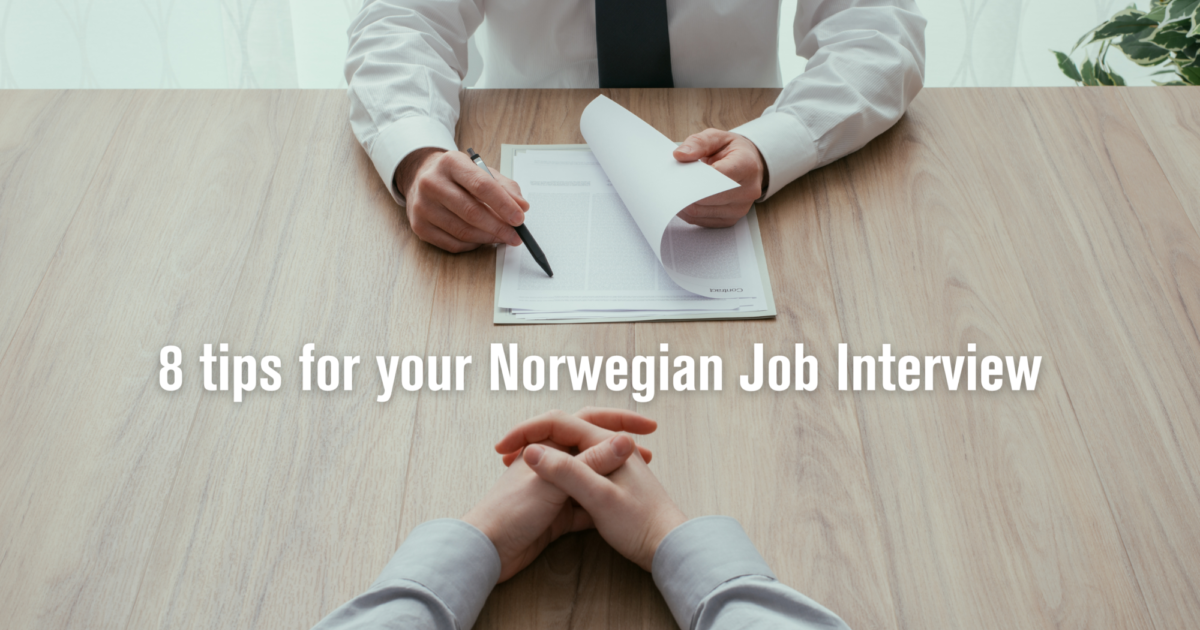
Job interviews in Norway require candidates to balance confidence with humility, reflecting cultural values like Janteloven.
This code promotes modesty and discourages arrogance, emphasizing social equality and group harmony.
Candidates should convey their skills confidently but without boasting, using controlled non-verbal communication and emotional regulation.
Foreigners often find these subtle norms challenging and benefit from researching company culture and practicing balanced self-presentation.
Success depends on adapting to these cultural expectations to demonstrate respect for teamwork and egalitarianism in Norwegian workplaces.
Frequently Asked Questions
Q: Why 'be yourself' is bad advice in Norwegian job interviews
A: In Norwegian job interviews, the advice to 'be yourself' can be problematic because it may overlook the importance of professionalism and cultural norms specific to Norway. Employers often expect candidates to demonstrate qualities like humility, collaboration, and a strong work ethic rather than just personal authenticity. Simply 'being yourself' might lead to sharing inappropriate details or failing to highlight relevant skills and experiences. Therefore, tailoring your responses to align with workplace values while staying genuine is a more effective approach than strictly adhering to 'be yourself.'
Q: How to prepare for a job interview in Norway
A: To prepare for a job interview in Norway, research the company and understand its culture, as Norwegian workplaces value equality and teamwork. Practice clear and direct communication, and be ready to discuss your qualifications and experiences honestly. Familiarize yourself with Norwegian labor laws and typical employment terms, and prepare thoughtful questions to ask your interviewer. Punctuality is important, so arrive on time and dress neatly but not overly formal.
Q: What Norwegians expect in job interviews
A: Norwegians value a relaxed and honest atmosphere in job interviews, expecting candidates to be straightforward and genuine. They appreciate punctuality, preparation, and clear communication about skills and experiences. It is common to discuss teamwork and work-life balance, as well as the candidate's motivation and cultural fit. Additionally, Norwegians often expect a two-way conversation where candidates also ask questions about the company and role.
Q: How to answer conflict questions in Norwegian interviews
A: When answering conflict questions in Norwegian interviews, it is important to stay calm and demonstrate your ability to handle disagreements professionally. Describe the conflict briefly, focusing on the problem-solving steps you took and how you communicated effectively to reach a resolution. Emphasize collaboration, active listening, and respect for different perspectives. Highlight the positive outcome or what you learned from the experience to show your growth and teamwork skills.
Q: Cultural norms for job interviews in Norway
A: Job interviews in Norway are typically informal and focused on open, honest communication. Punctuality is highly valued, so arriving on time is important. Interviewers expect candidates to be well-prepared but also modest; emphasizing teamwork and collective success over individual achievements is common. Additionally, there is less emphasis on hierarchy, and candidates are encouraged to express their opinions respectfully and engage in a balanced dialogue.
Key Entities
Espen Skorstad: Espen Skorstad is a Norwegian journalist known for his reporting with Aftenposten. He often covers topics related to social welfare and public policy in Norway.
Aftenposten: Aftenposten is Norway's largest and one of the oldest newspapers, headquartered in Oslo. It provides comprehensive news coverage across politics, culture, and social issues.
NAV: NAV is the Norwegian Labour and Welfare Administration responsible for social security and employment services. It plays a central role in providing financial support and integrating citizens into the workforce.
Oslo: Oslo is the capital and largest city of Norway, serving as the country's political and economic center. It hosts major national institutions, including government agencies like NAV and prominent media outlets such as Aftenposten.
Norway: Norway is a Nordic country known for its extensive welfare system and high standard of living. It operates a comprehensive social security framework through agencies like NAV and maintains a strong free press including newspapers like Aftenposten.
External articles
- Tips for job interviews
- Why 'Be Yourself' Is the Worst Advice in Norwegian Job ...
- Norway Job Interview Guide: Cultural Tips & Prep
Articles in same category
- How Norwegians Achieve Unique English Proficiency Through Education and Culture
- Navigating the Norwegian Job Market: Overcoming Immigrant Hiring Challenges
- Snikskryting: Norway’s Unique Humblebragging Reflecting Social Inequality
YouTube Video
Title: Norwegian Workplace Culture – A Guide to Fitting In and Thriving at Work in Norway
Channel: Norway Perspectives
URL: https://www.youtube.com/watch?v=l1km8iG0sHY
Published: 4 months ago
Domestic