


Market Impact of Tensions and Tariffs: Effects on Stocks, Oil, and Housing
Former President Trump’s declaration to hit Iran "extremely hard" sent waves of uncertainty through financial markets.
Crude oil futures surged over 3%, nearing $100 per barrel, while defense stocks rallied.
Trump’s executive order imposing a 100% tariff on select pharmaceuticals shook the healthcare sector and raised inflation concerns.
Wall Street remains cautious amid geopolitical and economic tensions, urging investors to diversify and avoid rash moves.
Meanwhile, steady U.S. home sales signal resilience despite high interest rates, suggesting cautious optimism in housing.
Understanding these shifts is key to navigating market uncertainties confidently.
Read more:
perplexity.ai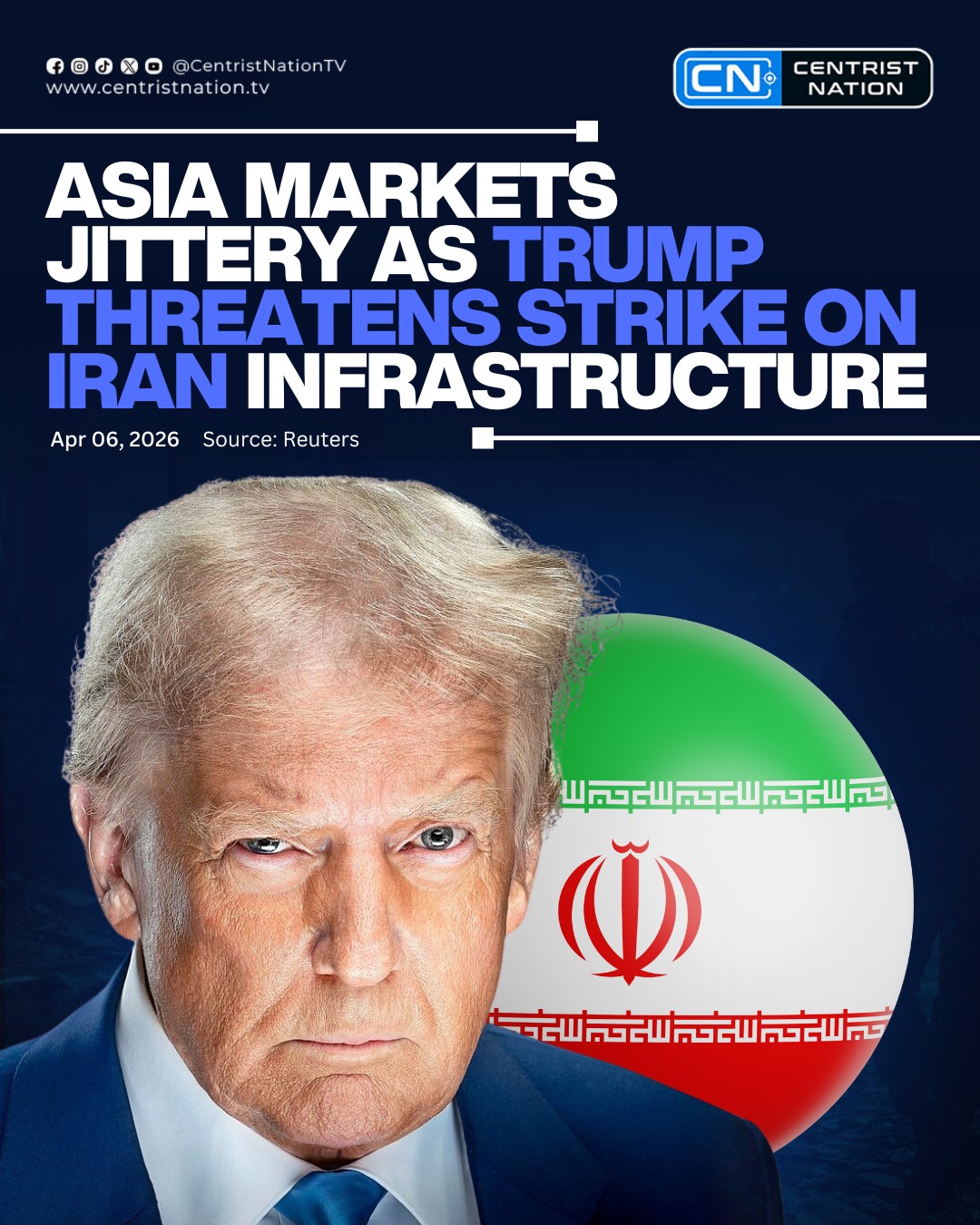
Tensions and Tariffs Shake Markets: What the Latest Moves Mean for Your Money
In a week marked by stark geopolitical fireworks and sweeping economic maneuvers, Wall Street finds itself navigating turbulent waters, where the echoes of diplomacy and trade policy reverberate loudly across portfolios and markets worldwide.
The headline-grabbing crescendo came with former President Trump’s bold declaration to hit Iran "extremely hard," a vow that sent waves of uncertainty rippling through the financial sphere. Investors wavered as stock markets closed mixed, with jitters palpable especially in energy and defense sectors. Crude oil futures surged over 3%, fueled by fears of possible supply chain disruptions from the Middle East—bringing crude prices tantalizingly close to the psychologically charged $100-per-barrel mark. Defense stocks, meanwhile, rallied robustly, buoyed by expectations of increased military spending and heightened geopolitical tensions.
Yet the economic drama didn’t stop there. Trump’s executive order imposing a staggering 100% tariff on select pharmaceutical imports thrust the healthcare sector into turmoil. Pharma stocks took a sharp hit in after-hours trading, while the ramifications for global supply chains sent ripples far beyond the boardrooms of manufacturers to the shelves of pharmacies. Analysts warn this protectionist gambit might ignite broader inflationary pressures and complicate international trade, as export-dependent companies grapple with uncertainty and potential cost surges.
The interplay between these developments paints a vivid picture of a market caught between the tug-of-war of geopolitical brinkmanship and the recalibrations of economic policy. Wall Street’s cautious stance underscores the nervousness that defines this moment—reflecting a landscape where long-term investors are urged to stay the course, heed personal finance experts’ calls for diversification, and resist the impulse to react hastily to headline shocks.
Meanwhile, amidst the market's jittery dance, the U.S. housing sector reveals a curious note of resilience. Steady home sales persist despite overarching economic jitters and the dampening effect of high interest rates. For potential buyers and industry watchers alike, this suggests a cautious optimism: the housing market may well stand firm as a vital pillar of economic stability, ready to gradually gain momentum if borrowing costs ease.
As these stories unfold against the broader backdrop of political maneuvers and economic shifts, the message for travelers, investors, and global citizens is clear: the world remains a dynamic stage where decisions in one arena reverberate across many others. Understanding these connections offers not just insight, but the savvy to navigate with confidence amid uncertainty.
Questions and answers
Q: Impact of Iran tensions on markets
A: Tensions involving Iran often lead to increased volatility in global financial markets due to concerns over regional stability and oil supply disruptions. Markets may experience spikes in oil prices as Iran is a key oil producer, impacting energy-related sectors. Investors generally adopt a cautious approach during such periods, favoring safe-haven assets like gold and government bonds.
Q: Effects of tariffs on pharmaceutical stocks
A: Tariffs can increase the cost of imported raw materials and equipment for pharmaceutical companies, potentially squeezing profit margins. However, tariffs may also prompt companies to adjust supply chains or increase domestic production. The overall impact on pharmaceutical stocks depends on the scale of tariffs and the ability of companies to manage increased costs without passing them entirely to consumers.
Q: How geopolitical events affect oil prices
A: Geopolitical events such as conflicts, sanctions, or diplomatic tensions in oil-producing regions can disrupt supply and create uncertainty, leading to price spikes. Conversely, resolutions or agreements that promise stable production can lower prices. Traders closely monitor these events since oil is a globally traded commodity sensitive to changes in supply and demand dynamics.
Q: Current state of U.S. housing market
A: As of now, the U.S. housing market is experiencing a mix of moderate price growth and slowing sales, influenced by rising mortgage rates and inflationary pressures. Inventory levels remain relatively low, contributing to continued competitive conditions for buyers. While affordability challenges persist, some regions are seeing a stabilization or slight cooling compared to previous years.
Q: Investment strategies during economic uncertainty
A: During economic uncertainty, investors often prioritize diversification to spread risk across asset classes such as stocks, bonds, and commodities. Defensive sectors like consumer staples and utilities may provide more stability, while maintaining liquidity can offer flexibility. Additionally, focusing on quality companies with strong balance sheets and stable earnings helps mitigate potential downside risks.
Key Entities
Donald Trump: Donald Trump is a former President of the United States known for his controversial political style and policies. He has been involved in various domestic and international issues that influence global and U.S. economic and political landscapes.
Iran: Iran is a Middle Eastern country with significant geopolitical influence, particularly regarding U.S. foreign policy and Middle Eastern stability. Its nuclear program and regional activities have been central points in sanctions and diplomatic negotiations.
Wall Street: Wall Street is the financial district of New York City and a symbol of the U.S. financial markets and economy. It plays a critical role in global finance, impacting investment trends, economic policy, and corporate activities.
U.S. housing sector: The U.S. housing sector encompasses residential construction, real estate markets, and related economic activities. It is a major driver of the U.S. economy and sensitive to changes in interest rates, market demand, and government policies.
External articles
- How Rising Geopolitical Risks Weigh on Asset Prices
- The Impact of Geopolitical Conflicts on Trade, Growth, and ...
- Geopolitical Risks and Their Impact on Global Macro ...
Articles in same category
- Frontline (FRO) Valuation and Growth Amid Rising Oil Demand
- CRISPR Therapeutics Unveils Promising AATD Gene Editing Data
- Aston Martin Issues Profit Warning on Tariff Impact
YouTube Video
Title: Trump’s Ceasefire CRUSHES Oil Prices | Crude Traders on Alert
URL: https://www.youtube.com/shorts/ZSAoRht1h1k
Money