

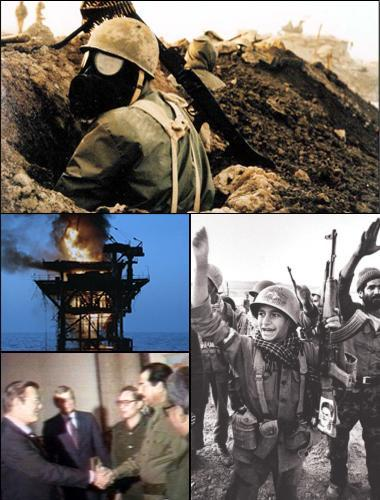
Iran War Oil Shock: Rising Gas Prices Reshape Global Economies and Daily Life
As gas prices breach the $4 a gallon mark, the ripple effects of the Iran war's turmoil are sparking a global energy shock reshaping markets, trade, and daily routines.
The conflict has disrupted oil supply, sending prices toward multi-year highs and tightening household budgets.
On Wall Street, investors flee riskier bets as energy giants soar, while central banks consider rate hikes to curb inflation.
Global trade faces higher shipping costs, worsening supply chain issues, and the US housing market cools amid rising mortgage rates.
This crisis highlights the fragile dependency on oil and its far-reaching impact worldwide.
Read more:
perplexity.ai
Fueling the Future: How the Iran War's Oil Shock is Reshaping Global Economies and Everyday Life
As gas prices breach the $4 a gallon mark, the ripple effects of the Iran war's turmoil are hitting far beyond the Middle East, sparking a global energy shock that’s reshaping markets, trade, and daily routines. This surge in oil prices isn't just a headline—it's a story of interconnected economies, shifting financial tides, and the mounting pressures on households everywhere.
The conflict has ignited a disruption in oil supply, sending prices spiraling toward multi-year highs. This spike is a jolt to consumers already navigating a complex economic landscape. At the pump, it translates into deeper pockets and tighter budgets, curbing discretionary spending as the sting of elevated gas costs bites into household wallets. Fintech firms are already sounding alarms about slower consumer spending, with credit card use dipping in fuel-heavy categories—a harbinger for broader retail sectors.
On Wall Street, the tension has brewed turbulence. Pre-market trading saw stock futures plunge, with investors fleeing riskier bets for the safety of more stable assets. The tech sector, with its vulnerability to rising operational costs, is under siege, while energy giants like Exxon and Chevron enjoy a bullish surge, buoyed by soaring crude prices. This stark sector rotation reveals just how sensitive markets have become to commodity swings.
Central banks are not sitting idly by. Watching inflation climb amid skyrocketing energy costs, they’re poised for potential rate hikes in a bid to tame the resulting inflationary pressures. Bond yields have responded accordingly, climbing in tandem with fears of a broader economic fallout—a delicate dance balancing growth and stability.
Meanwhile, global trade faces its own bottlenecks. The oil shock means higher shipping costs as tankers chart longer, less efficient routes to avoid hotspots, disrupting the already fragile supply chains. This logistic pinch compounds inflation worldwide, threading through consumer goods beyond just fuel.
Closer to home, the US housing market braces for impact as rising bond yields edge mortgage rates upward. Homebuilders report cooling demand, caught in the squeeze between higher borrowing costs and the broader energy crisis. The end-to-end effect: from the gas pump to the mortgage, the reverberations of the oil shock are restructuring financial realities and everyday choices.
In this new energy landscape carved by geopolitical conflict, the global economy is reminded once again of its fragile dependency on oil. The current crisis underscores a pivotal chapter in the ongoing story of energy, economics, and the unforeseen ways international strife can ripple into the lives of millions around the world. For travelers, consumers, and investors alike, it’s a moment to watch closely—and adapt swiftly.
Questions and answers
Q: Impact of Iran war on oil prices
A: A war involving Iran can significantly disrupt global oil supply since Iran is a major oil producer. This uncertainty and potential supply reduction typically cause oil prices to spike due to fears of shortages. Higher prices can lead to increased costs for transportation and manufacturing worldwide, impacting inflation and economic stability.
Q: How rising oil prices affect global economy
A: Rising oil prices increase production and transportation costs across many industries, leading to higher consumer prices and inflation. This can reduce consumer spending and slow economic growth, especially in oil-importing countries. Conversely, oil-exporting countries may see increased revenues, potentially shifting global economic dynamics.
Q: Effects of fuel price increase on consumers
A: When fuel prices rise, consumers face higher costs for transportation and heating, which reduces their disposable income. This often leads to decreased spending on non-essential goods and services, potentially slowing economic growth. Additionally, increased fuel prices can cause broader inflation as businesses pass on higher costs to consumers.
Q: Influence of oil shock on stock market
A: An oil shock, characterized by a sudden and significant change in oil prices, often causes volatility in stock markets. Rising oil prices can reduce corporate profits and increase operational costs, leading to stock price declines in many sectors. However, energy sector stocks may benefit, while markets in oil-importing countries typically experience downturns.
Q: Relation between oil prices and housing market
A: Oil prices can indirectly affect the housing market by influencing construction and transportation costs. Higher oil prices increase the cost of building materials and commuting, potentially reducing demand for new homes and slowing housing market growth. Additionally, increased energy expenses can lower household budgets, impacting home affordability and buying decisions.
Key Entities
Iran: Iran is a Middle Eastern country rich in oil reserves and a key player in global energy markets. It has been involved in geopolitical tensions affecting oil supply and international relations.
Exxon: Exxon is one of the world's largest publicly traded oil and gas companies, operating in exploration, production, and refining. It plays a significant role in the global energy sector and has interests in various regions, including the Middle East.
Chevron: Chevron is a major American multinational energy corporation involved in oil, natural gas, and geothermal energy. It has extensive operations worldwide, influencing energy markets and production trends.
Wall Street: Wall Street is the financial district of New York City and a symbol of the US financial markets and investment community. It significantly impacts economic trends, including commodity prices and corporate investments in the energy sector.
US housing market: The US housing market reflects the supply and demand for residential properties across the country. It influences economic growth and consumer confidence, affecting sectors such as construction and finance.
External articles
- How the War in the Middle East Is Affecting Energy, Trade, ...
- Middle East crisis exposes global energy fault line ... - UN News
- What leaders are saying about the new geopolitics of energy
Articles in same category
- Frontline (FRO) Valuation and Growth Amid Rising Oil Demand
- CRISPR Therapeutics Unveils Promising AATD Gene Editing Data
- Aston Martin Issues Profit Warning on Tariff Impact
YouTube Video
Title: Iran War & Global Oil Crisis? ⚠️🌍 #shorts #viral
URL: https://www.youtube.com/shorts/QfTgHPjUOlc
Money