


Global Markets Quietly Start 2026 Amid Economic Signals and Policy Shifts
As January 4, 2026 begins, major stock exchanges like the S&P 500 and Euro Stoxx 50 remain closed for New Year holidays, enveloping global markets in a rare hush.
The Federal Reserve signals monetary easing after rate cuts, with inflation slowing and a steady labor market boosting optimism.
In Asia, China hints at stimulus amid mixed PMI data while Japan’s Nikkei 225 holds multi-year highs.
Commodities stay steady, with Brent crude between $75 and $80 per barrel and gold near $2000 an ounce.
Investors await Q4 2025 earnings from US banks and tech giants to shape strategies.
Read more:
perplexity.ai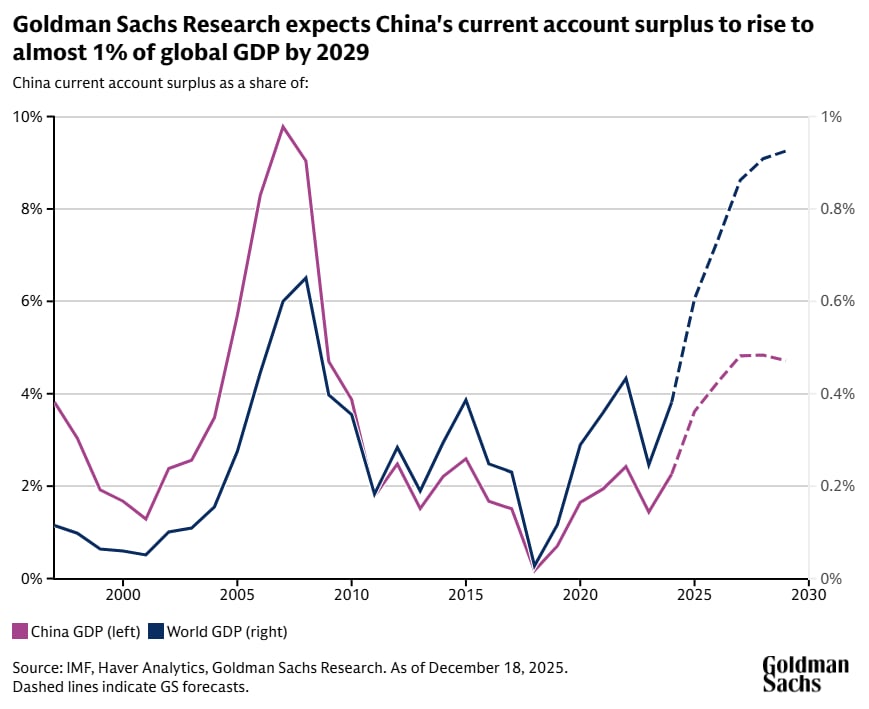
Global Markets in Pause: A Quiet Start to 2026 Amid Economic Signals
As the calendar flips to January 4, 2026, the world’s financial hubs whisper rather than roar. Major stock exchanges like the S&P 500 and Euro Stoxx 50 remain shuttered in observance of New Year holidays, enveloping global markets in a rare hush. This peaceful lull offers investors a moment to catch their breath, review the last year's economic chapters, and set sights on the unfolding 2026 narrative.
This pause comes at a fascinating juncture. The Federal Reserve, fresh from its December conclave, signals a softer touch ahead—monetary policy easing following a series of rate cuts in 2025. Inflation’s recent slowdown and a steady labor market provide the green light for this transition, sparking renewed appetite for riskier assets and optimism about sustained economic growth. Across the Atlantic, the European Central Bank feels the pressure ease as Eurozone inflation dips, helping stabilize bond yields. Banks enjoy a post-high-rate profit surge, even as the industrial sector grapples with lingering energy costs.
Peering toward Asia, China’s latest Purchase Manager Index paints a nuanced picture. Services sector growth glimmers against a backdrop of tepid industrial recovery, prompting Beijing to hint at fresh stimulus measures aimed at steadying the ship through 2026. Meanwhile, Japan’s Nikkei 225 rides on the currents of a weak yen and ultra-loose monetary policies, holding onto multi-year highs and buoying exporter profits despite inflation temperatures above 2%.
Commodity markets mirror this equilibrium. Brent crude steadfastly trades between $75 and $80 per barrel, supported by OPEC+ production cuts and steady demand, while gold holds its ground near $2000 an ounce, buoyed by a softer dollar and safe-haven interest. The global economic landscape, though quiet for now, sets the stage for an eventful year ahead.
Looking ahead, the late January arrival of Q4 2025 earnings from US banks and tech conglomerates is eagerly anticipated. Past quarters reveal encouraging signs—Microsoft’s cloud services surging and Walmart’s robust sales hint at resilience amid easing inflation. As earnings season dawns, investors are poised to decode these stories, steering portfolios and strategies in a new economic chapter.
In this calm between market storms, the subtle shifts and forward signals growing louder hint at an economy readying for its next act—one marked by measured optimism and strategic navigation through evolving landscapes. For travelers in the world of finance, patience and keen observation could reveal the sparkling opportunities beneath the surface of this serene opening.
Questions and answers
Q: Global market outlook 2026
A: The global market outlook for 2026 suggests moderate growth driven by advancements in technology, continued recovery from previous disruptions, and evolving consumer demand. Emerging markets are expected to play a significant role, with increased digital adoption and infrastructure investment. However, uncertainties around geopolitical tensions and inflation remain factors to monitor closely.
Q: Federal Reserve monetary policy 2026
A: In 2026, the Federal Reserve's monetary policy is anticipated to balance between supporting economic growth and managing inflationary pressures. The Fed may adjust interest rates carefully in response to economic data, with potential shifts depending on inflation trends and labor market conditions. Policy decisions will likely focus on sustaining a stable economic environment while avoiding overheating.
Q: Impact of ECB inflation dip
A: A dip in inflation within the Eurozone as monitored by the European Central Bank (ECB) can lead to more accommodative monetary policies, such as lowering interest rates or maintaining them at low levels. This can support economic growth by making borrowing cheaper for businesses and consumers. However, sustained low inflation might also signal weak demand, prompting cautious optimism among policymakers.
Q: China stimulus plans 2026
A: China's stimulus plans in 2026 are expected to focus on boosting domestic consumption, infrastructure investment, and technological innovation. The government may implement targeted fiscal measures and monetary easing to support economic growth amid global uncertainties. These efforts aim to maintain stability while transitioning to a more consumption-driven economy.
Q: Q4 2025 US bank and tech earnings
A: Q4 2025 earnings for US banks and tech companies will provide insight into sector resilience amid changing economic conditions. Banks may face challenges from interest rate fluctuations and credit demand, while tech firms' performance will hinge on innovation and consumer spending. Overall, earnings reports will be closely watched for indicators of economic health and future growth prospects.
Key Entities
Federal Reserve: The Federal Reserve is the central banking system of the United States, responsible for setting monetary policy and regulating banks. It influences the economy by adjusting interest rates and managing inflation.
European Central Bank: The European Central Bank manages the euro and monetary policy for the Eurozone countries. It aims to maintain price stability and support economic growth within the member states.
OPEC+: OPEC+ is a coalition of oil-producing countries from OPEC and other nations that coordinate production levels. This group influences global oil prices by managing supply to stabilize the market.
Microsoft: Microsoft is a global technology company known for software, cloud services, and hardware products. It plays a significant role in enterprise solutions and consumer technology markets.
Walmart: Walmart is the world's largest retailer, operating a chain of supermarkets and discount stores. It is a major player in the global retail industry, known for its extensive supply chain and low-price strategy.
External articles
- From the AI bubble to Fed fears: the global economic ...
- Global Economic Outlook Shows Modest Change Amid ...
- Navigating Unpredictable Terrain
Articles in same category
- Frontline (FRO) Valuation and Growth Amid Rising Oil Demand
- CRISPR Therapeutics Unveils Promising AATD Gene Editing Data
- Aston Martin Issues Profit Warning on Tariff Impact
YouTube Video
Title: The Global Economy Starts 2026 Like This
URL: https://www.youtube.com/shorts/h1E4IsvqE9E
Money