


Global Financial Pulse: Markets Tumble, Tariffs Rise, and Bitcoin Soars
As April ends, financial markets show volatility amid US-China trade tensions and tariff hikes.
The Dow fell 0.5%, while Nasdaq rose 0.3%, led by tech stocks.
The Federal Reserve kept interest rates steady amid sticky inflation concerns.
JPMorgan Chase reported record profits, boosting investor confidence.
Meanwhile, Bitcoin surged past $70,000, driven by significant ETF inflows and Ethereum gains.
This dynamic landscape highlights uncertainty and opportunity, urging investors to stay informed and adaptable.
For full details, see the original reports on ABC News.
Read more:
perplexity.ai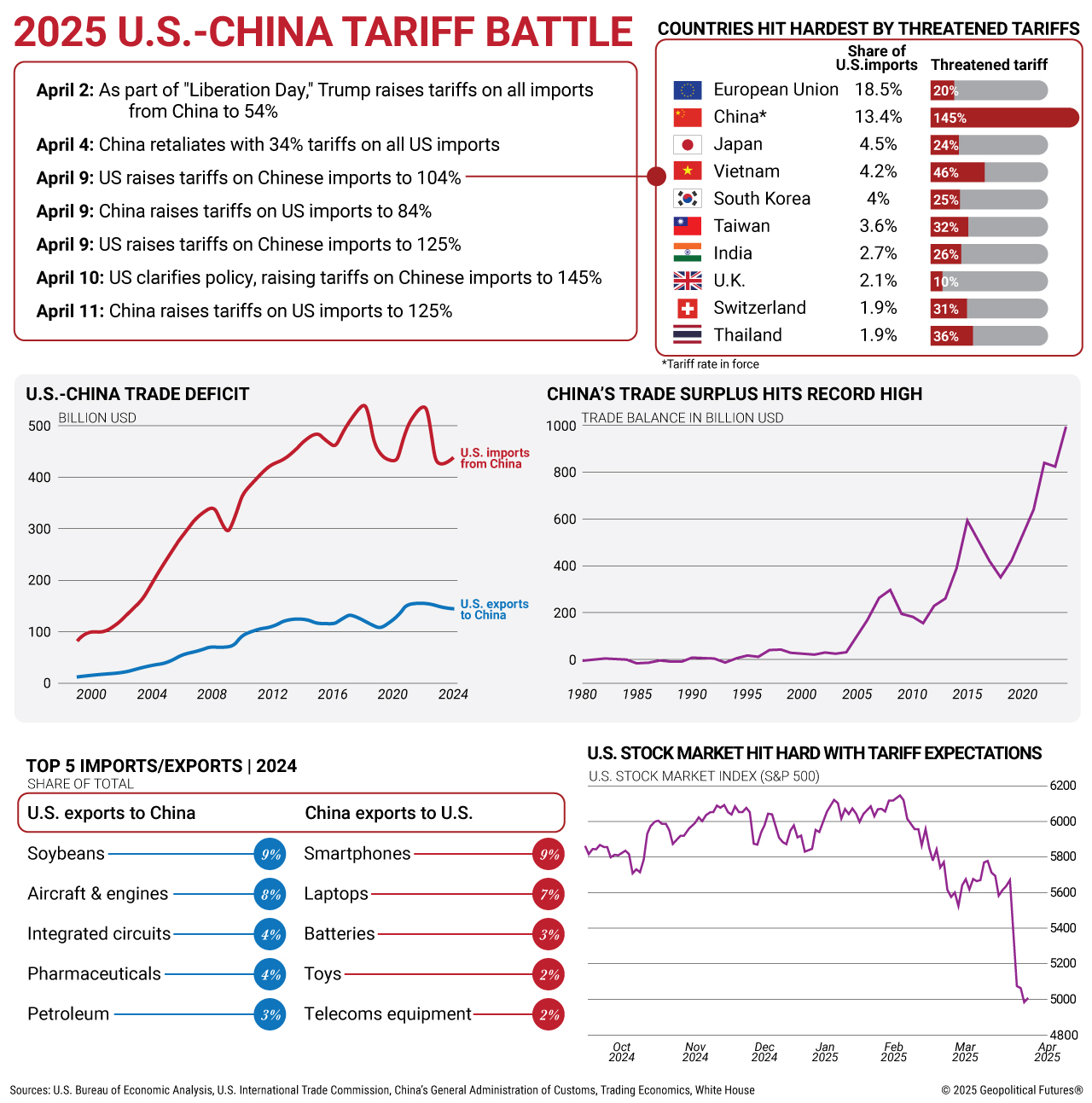
Global Financial Pulse: Markets Tumble, Tariffs Escalate, and Bitcoin Soars Amid Uncertainty
As April winds down, the financial world finds itself caught in a swirling storm of volatility, geopolitical wrangling, and surprising market movements that demand attention from investors and observers alike. The major US stock indices closed the week in mixed territory, painting a complex picture of resilience and caution. The Dow slipped by 0.5%, pressured by tariff concerns that cast long shadows on trade-dependent sectors, while the Nasdaq nudged ahead by 0.3%, buoyed by technology giants that seem to defy the storm around them.
The root of much unease lies in the escalating trade tensions between the US and China, as Beijing hit back with hefty 25% tariffs on key US exports, notably soybeans and automobiles. This move, a direct response to recent US measures, threatens to unsettle global supply chains and roil commodity prices. It's a high-stakes game of economic brinkmanship, with farmers and manufacturers caught squarely in the crossfire.
Amid this backdrop, the Federal Reserve offered its own nuanced signal, opting for steady interest rates in the near term as inflation cools but remains sticky, especially in the service sectors. The core Consumer Price Index nudged up just 0.2% last month—below expectations—leading markets to speculate on a possible rate cut come June, though the Fed remains cautious. This balancing act underscores the delicate tightrope walked by policymakers striving to foster growth without igniting inflation anew.
On a brighter note for Wall Street, JPMorgan Chase shattered expectations with record quarterly profits, driven by a robust rebound in mergers and acquisitions fees and a 5% rise in net interest income year-over-year. Investors responded with enthusiasm, sending JPMorgan shares soaring 2% in after-hours trading—a beacon of confidence amid broader market jitters.
Meanwhile, the cryptocurrency realm offers a stark contrast to traditional finance woes, with Bitcoin rocketing past the $70,000 mark. This surge is credited to a $2 billion inflow into spot ETFs, bolstered further by Ethereum's 5% gain amid promising network upgrades and growing regulatory clarity. For many, it's a reminder that innovation often thrives even as global tensions escalate.
Together, these threads weave a captivating narrative of a world in financial flux—uncertain yet dynamic, challenged yet opportunistic. For travelers and investors, it serves as a reminder to stay informed and adaptable, navigating the global currents with eyes wide open. Whether you’re watching markets, planning your next journey, or simply seeking to understand what shapes our shared economic future, this moment demands attention and reflection.
For the full stories and further insights, see the original reports on ABC News.
Questions and answers
Q: Current stock market trends
A: Current stock market trends are influenced by a mix of economic indicators, corporate earnings reports, and geopolitical developments. Markets have been showing volatility due to concerns over inflation, supply chain disruptions, and central bank policies. Technology and energy sectors have seen significant movement, with investors closely watching interest rate changes and global economic recovery signals.
Q: Impact of US-China tariffs on markets
A: US-China tariffs have created ongoing uncertainty in global markets, affecting trade flows and corporate profits, especially in industries like manufacturing and agriculture. Tariffs have increased costs for companies relying on imported goods, leading to higher consumer prices and disrupted supply chains. While some sectors have adapted by shifting production, the overall market sentiment remains cautious due to potential escalation or easing of trade tensions.
Q: Federal Reserve interest rate decisions
A: The Federal Reserve's interest rate decisions are pivotal in shaping economic growth and inflation control. Raising rates typically cools inflation and slows borrowing, while lowering rates aims to stimulate spending and investment. Recent decisions have balanced the need to address rising inflation without triggering a recession, closely monitored by investors as they affect bond yields, stock valuations, and currency strength.
Q: JPMorgan quarterly profits
A: JPMorgan's quarterly profits provide insight into the health of the banking sector and broader economy. Recent earnings reports have shown strong revenue growth driven by trading, investment banking, and consumer banking segments. However, fluctuations in interest rates and credit conditions continue to impact profit margins and future outlooks, making JPMorgan a key indicator of financial market sentiment.
Q: Bitcoin price surge reasons
A: The recent surge in Bitcoin prices can be attributed to a mix of increased institutional adoption, growing interest as a hedge against inflation, and broader acceptance of cryptocurrencies. Positive regulatory developments and endorsements from major companies have also boosted investor confidence. Additionally, market dynamics such as limited supply and increased demand play a crucial role in driving up Bitcoin's value.
Key Entities
Dow: The Dow refers to the Dow Jones Industrial Average, a stock market index tracking 30 large publicly traded U.S. companies. It is frequently used as a barometer of overall market performance and economic health.
Nasdaq: Nasdaq is a major American stock exchange known for its high concentration of technology and growth-oriented companies. It operates an electronic trading platform and lists many leading global tech firms.
Federal Reserve: The Federal Reserve is the central bank of the United States responsible for monetary policy and regulating financial institutions. Its decisions influence interest rates, inflation, and overall economic stability.
JPMorgan Chase: JPMorgan Chase is one of the largest global financial services firms, offering banking, investment, and asset management services. It plays a key role in capital markets and economic activity worldwide.
Bitcoin: Bitcoin is a decentralized digital currency that operates without a central authority, relying on blockchain technology for secure transactions. It is widely recognized as the first and most prominent cryptocurrency.
External articles
- Bitcoin, Crypto Market Under Pressure as US-China Trade ...
- A Note on the Relationship Between Stock Market Volatility ...
- U.S China Trade Tensions: Impact on Crypto Markets
Articles in same category
- Frontline (FRO) Valuation and Growth Amid Rising Oil Demand
- CRISPR Therapeutics Unveils Promising AATD Gene Editing Data
- Aston Martin Issues Profit Warning on Tariff Impact
YouTube Video
Title: (untitled)
Money