


Global Financial Markets on Edge Amid Rising Geopolitical Tensions and Economic Shifts
Global financial markets face turbulence amid rising geopolitical tensions between China and Japan over the Senkaku Islands.
Investors grow jittery as fears of conflict threaten supply chains and trade flows.
Bitcoin plunged 6%, reflecting shaken confidence and retreat from riskier assets amid rising bond yields.
The Bank of Japan hinted at rate hikes, causing global bond prices to tumble.
Meanwhile, inflation in the Eurozone outpaces targets, and central banks reconsider policies.
Emerging markets like Ecuador show resilience despite uncertainties.
Read more:
perplexity.ai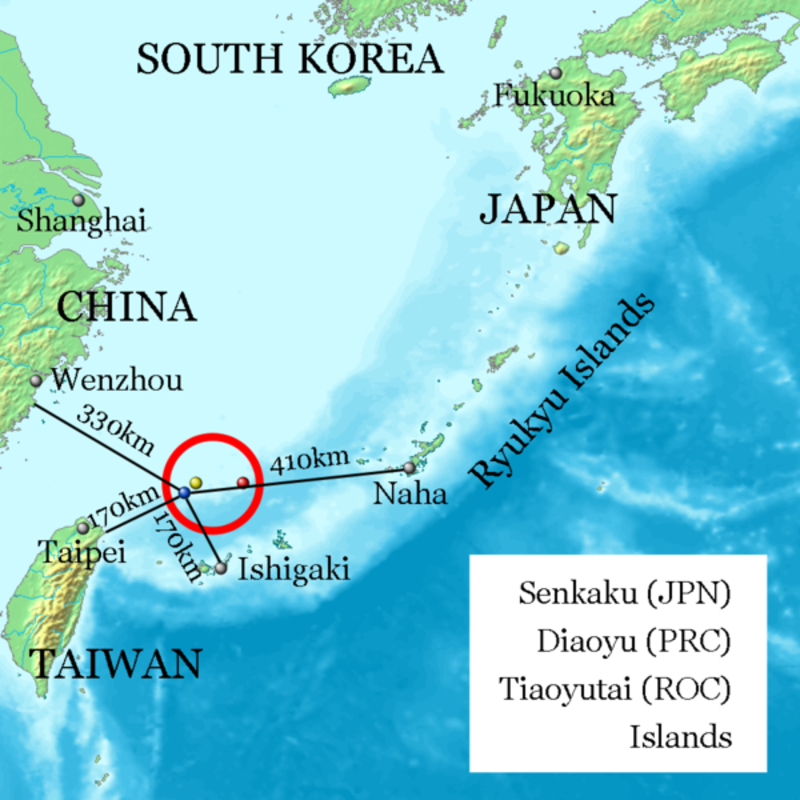
Global Financial Markets on Edge Amid Rising Geopolitical Tensions and Economic Shifts
In a world increasingly defined by entwined economies and fragile peace, the latest financial news reads like a thriller—replete with geopolitical flashpoints and market tremors that ripple far beyond their points of origin. As tensions simmer between China and Japan over the Senkaku Islands, global markets brace for uncertainty, while central banks and major players recalibrate strategies in an evolving economic landscape.
The East China Sea has become the latest powder keg. Japan’s Prime Minister Takaichi’s candid talk of possible military intervention over Taiwan has sent a sharp signal to Beijing. Today, the situation escalated when two Chinese coast guard vessels crossed into waters Japan claims around the disputed Senkaku Islands before they were chased away. This naval face-off threatens to destabilize not just regional peace but also the global markets that rely heavily on stability in Asia. Investors are jittery, watching every move closely as fears of a military conflict loom large, a scenario that could spook supply chains, energy routes, and global trade flows.
Meanwhile, the financial landscape pulsates with change. Bitcoin, the crypto kingpin, suffered a dramatic 6% tumble—the worst since mid-2021—plummeting below $86,000. This sharp decline reflects a cocktail of shaken investor confidence, technical issues, and a broader retreat from riskier assets, influenced heavily by rising bond yields in Japan and other developed economies. The volatility in cryptocurrency markets accentuates a larger narrative: investors are recalibrating their appetite amid looming interest rate hikes.
Indeed, the Bank of Japan’s Governor Ueda has stoked global bond market anxiety by hinting at a possible rate increase. The response was immediate and widespread—bond prices tumbled in Japan and internationally, with the U.S. 10-year Treasury yield surging above 4%, and Germany’s 10-year bonds climbing near 2.8%. This chain reaction underscores fears over ballooning government debt burdens and signals a tougher monetary environment ahead, affecting everything from mortgage rates to corporate financing costs.
On the innovation front, tech giant Nvidia’s $2 billion bet on chip design software maker Synopsys and OpenAI’s strategic funding of Thrive Holdings highlight the fevered pace of investments in AI and semiconductor sectors. But these circular investments raise red flags about a potential bubble—a cautionary note for investors riding the AI boom, reminding us that market exuberance can sometimes eclipse fundamentals.
Across the Atlantic, the Eurozone grapples with stubborn inflation, which unexpectedly rose to 2.2% year-over-year in November—outpacing the European Central Bank’s target for the third month straight. This inflation persistence, largely propelled by price surges in Germany and rising service costs, fuels speculation that ECB may hold firm on interest rates despite economic pressures.
Notably, the Bank of England’s recent decision to ease capital requirements for banks signals a pivot toward encouraging credit flow and economic growth, potentially influencing similar moves in the U.S. banking sector. It highlights an ongoing balancing act: foster lending to stimulate growth without compromising financial stability.
In Latin America, Ecuador’s unlocking of a $620 million IMF facility after meeting economic targets speaks to a narrative of resilience in emerging markets—a beacon of cautious optimism amid heightened global uncertainties.
Collectively, these intertwined stories paint a vivid picture of a world on the knife-edge of geopolitical rivalry and economic transformation. For the traveler and investor alike, staying informed has never been more critical—because in 2025, the waves rocking the global financial ship might just dictate the course of your next journey or investment venture.
Questions and answers
Q: Impact of Senkaku Islands tensions on markets
A: Tensions around the Senkaku Islands, a disputed territory in East Asia, often heighten geopolitical risks, which can lead to increased market volatility. Investors may react cautiously to the potential for regional conflict or disruptions to trade routes, impacting Asian and global markets. Stock indices in Japan, China, and neighboring countries may see short-term declines, while safe-haven assets like gold and the US dollar could gain. Overall, sustained tensions can dampen investor confidence and affect supply chains in the region.
Q: Bitcoin price drop reasons
A: Bitcoin price drops can result from a combination of factors including regulatory crackdowns, market sentiment shifts, macroeconomic trends, and technological developments. Negative news such as government bans or stricter regulations can trigger sell-offs. Additionally, broader economic uncertainty, tightening monetary policy, or reduced investor appetite for risk can lead to declining prices. Technical corrections after rapid price gains also commonly cause short-term declines in Bitcoin’s value.
Q: Bank of Japan interest rate outlook
A: The Bank of Japan (BOJ) has maintained a highly accommodative monetary policy with very low or negative interest rates for years to support economic growth and combat deflation. However, recent global inflation pressures and economic shifts have led to speculation about a potential future normalization. While the BOJ may gradually adjust rates, any changes are expected to be cautious and incremental to avoid disrupting Japan’s fragile economic recovery and debt sustainability. Market watchers closely monitor BOJ statements for signals on policy shifts.
Q: Nvidia AI and chip investments
A: Nvidia continues to lead in AI and semiconductor technologies by heavily investing in advanced chip design and AI research. The company focuses on developing powerful GPUs and AI accelerators that support machine learning, data centers, and autonomous vehicles. Investments in AI capabilities aim to capitalize on the growing demand for AI processing power across industries. Nvidia's strategic spending on R&D and partnerships positions it as a key driver of innovation in the AI hardware space.
Q: Ecuador IMF facility economic impact
A: Ecuador’s agreement with the IMF for a financial assistance facility typically aims to stabilize the country’s economy by supporting fiscal reforms and promoting sustainable growth. Access to IMF funds can help Ecuador manage budget deficits, control inflation, and strengthen its balance of payments. However, such programs often require structural adjustments that could include austerity measures, which may impact social spending and economic growth in the short term. Overall, the IMF facility is designed to restore economic confidence and lay groundwork for long-term stability.
Key Entities
Japan: Japan is an island nation in East Asia known for its advanced technology and strong economy. It is relevant to discussions about global finance and manufacturing industries.
China: China is the world's most populous country and a major global economic power. It plays a significant role in international trade and technology development.
Bank of Japan: The Bank of Japan is the central bank responsible for monetary policy in Japan. It manages interest rates and currency stability to support the country’s economic growth.
Nvidia: Nvidia is a leading American technology company specializing in graphics processing units and AI computing. It drives innovation in gaming, data centers, and artificial intelligence.
Ecuador: Ecuador is a South American country with diverse geography including the Amazon rainforest and the Galápagos Islands. Its economy depends largely on oil exports and agriculture.
External articles
- Geopolitical tensions and international financial ...
- Is the global financial system fracturing under geopolitical ...
- Even as Global Uncertainty Surges, Economic Sentiment ...
Articles in same category
- Frontline (FRO) Valuation and Growth Amid Rising Oil Demand
- CRISPR Therapeutics Unveils Promising AATD Gene Editing Data
- Aston Martin Issues Profit Warning on Tariff Impact
YouTube Video
Title: Japan Vs China: Maritime Standoff | Firstpost Live | N18G
URL: https://www.youtube.com/shorts/3aMISwwdfg0
Money