


February 2026 Market Turbulence: US Dollar Surge, Metals Crash & Crypto Crisis
As February 2026 begins, financial markets face extreme volatility with the US dollar strengthening sharply.
Precious metals like silver and gold stumble, while cryptocurrencies suffer massive liquidations.
Geopolitical tensions, especially the US-Iran standoff, push oil prices higher and add uncertainty.
Stock markets show resilience amid this turbulence.
The upcoming US non-farm payrolls report will be crucial in determining market direction.
Investors and travelers alike must stay alert as global financial dynamics continue to shift rapidly.
This period highlights the interconnectedness of currency, commodities, and geopolitical events worldwide.
Read more:
perplexity.ai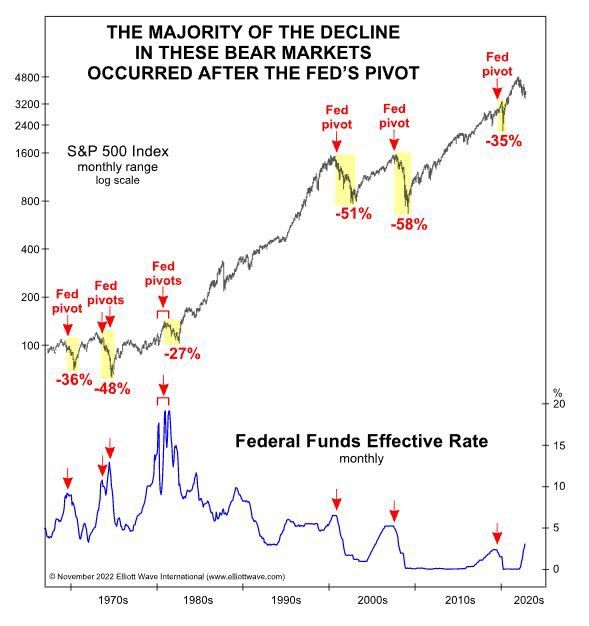
Market Turbulence and Currency Power Plays: What February 2026’s Financial Whirlwind Means for You
As February 2026 kicks off with a bang, the world’s financial markets are riding a rollercoaster of extremes—where the US dollar flexes its muscle, precious metals stumble, cryptocurrencies reel, and geopolitical tensions add a dramatic twist to the unfolding narrative. This is no ordinary market jitter; it’s a vivid portrait of global uncertainty playing out in real-time, one that every investor, traveler, and global citizen should watch closely.
The US dollar’s recent surge—a sharp upswing in the DXY index—has sent shockwaves through markets worldwide. This isn’t just a routine currency move. The greenback’s strength is reshaping the landscape, pushing US Treasury yields higher and cooling expectations for Federal Reserve rate cuts. For those who hold gold, silver, or cryptocurrencies, this is a moment of reckoning. Gold and silver, traditional safe havens, have been on a rough ride—silver’s dramatic plunge of over 25% in a single day is a stunning headline, rivaling even gold’s drop. But don’t be fooled by the sudden crash; silver remains substantially up for the year, underscoring deep volatility rather than a permanent decline.
Cryptocurrencies are caught in the crossfire, too. Over $2.5 billion in crypto positions liquidated within 24 hours marks a stark reminder of the market’s brutal swings. Ethereum and Bitcoin bore the brunt, triggering a nervous pullback in futures trading. This turbulence mirrors past market sweeps but is intensified by a cocktail of fear and shifting risk appetite—a potent concoction for traders everywhere.
Overlaying this financial drama are escalating geopolitical tensions, most notably the US-Iran standoff. President Trump’s threatened strikes have pushed Brent crude above $70 per barrel, reviving memories of energy-driven market jitters. Yet, Bitcoin’s failure to emerge as a safe haven during this crisis adds layers of complexity, challenging assumptions about digital currencies’ roles in turbulent times.
Even the world’s stock indices reflect this fractured yet resilient sentiment. The UK’s FTSE 100 edged higher, buoyed by a commodity reversal and Wall Street hit new highs, signaling pockets of confidence amid global unease. Meanwhile, innovative financial frontiers are quietly evolving—Intercontinental Exchange (ICE) and Wall Street giants have transformed prediction markets into a billion-dollar utility, broadening their importance far beyond electoral bets to economic forecasting, hinting at the future intersection of technology, finance, and data.
All eyes now turn toward the US non-farm payrolls report due this week. The data will likely act as a market fulcrum, dictating if the dollar’s dominance continues or if riskier assets regain their footing. As we navigate these choppy waters, the key takeaway is clear: in a world of rapid economic shifts and geopolitical surprises, adaptability and awareness are your best tools.
For travelers, investors, or anyone with a stake in the global economy, this moment is a vivid reminder of how intertwined our financial realities are—from the currency in your wallet to the metals in your jewelry, and the very fuel that powers your journey across continents. Stay alert; this financial saga is far from over.
Questions and answers
Q: Impact of US dollar surge on investments
A: A surge in the US dollar generally makes dollar-denominated assets more expensive for foreign investors, potentially reducing demand for US stocks and bonds. It can also negatively impact multinational companies' earnings when foreign revenues are converted back into a stronger dollar. Additionally, commodities priced in dollars often become more costly for holders of other currencies, which can reduce demand and lower prices.
Q: Why did silver price plunge in February 2026
A: The silver price plunge in February 2026 was influenced by a combination of factors including rising interest rates, a strengthening US dollar, and reduced industrial demand. Additionally, increased selling pressure from investors anticipating policy tightening and potential shifts in inflation expectations contributed to the sharp decline in silver prices during this period.
Q: Effect of US-Iran tensions on oil prices
A: US-Iran tensions typically lead to increased volatility and higher oil prices due to fears of supply disruptions in the Middle East region, a critical area for global oil production. Threats to shipping routes, like the Strait of Hormuz, can cause market uncertainty, prompting traders to bid up prices as a precaution. This geopolitical risk premium often results in short-term spikes in oil prices.
Q: Cryptocurrency market crash February 2026
A: The cryptocurrency market crash in February 2026 was driven by a combination of regulatory crackdowns, significant sell-offs by major holders, and declining investor confidence amid broader economic uncertainties. Increased scrutiny from governments, coupled with high-profile security breaches and negative sentiment, led to sharp declines in crypto asset values during this time.
Q: How to interpret non-farm payrolls report
A: The non-farm payrolls report provides monthly data on the number of jobs added or lost in the US economy, excluding farm workers and some other sectors. A strong report, showing higher job creation, generally signals economic growth and can influence monetary policy decisions. Investors interpret it as a gauge of labor market health, impacting markets by affecting expectations for interest rates and consumer spending.
Key Entities
US dollar: The US dollar is the official currency of the United States and serves as the world's primary reserve currency. It plays a key role in global financial markets and is commonly used in international trade and investment.
Federal Reserve: The Federal Reserve is the central banking system of the United States responsible for setting monetary policy and regulating banks. It influences economic conditions by adjusting interest rates and controlling money supply.
President Trump: President Donald Trump served as the 45th President of the United States from 2017 to 2021. His administration was marked by significant policy changes affecting the economy, including tax reforms and trade negotiations.
Intercontinental Exchange: The Intercontinental Exchange is a global operator of exchanges and clearing houses, including major futures and options markets. It owns and operates platforms that facilitate trading of commodities, equities, and derivatives.
UK’s FTSE 100: The UK’s FTSE 100 is a stock market index comprising the 100 largest companies listed on the London Stock Exchange by market capitalization. It serves as a key indicator of the performance of Britain's leading publicly traded companies.
External articles
- Global Financial Stability Report, October 2025
- The global foreign exchange market in a higher-volatility ...
- What Drives Fluctuations in Exchange Rates? An Asset ...
Articles in same category
- Frontline (FRO) Valuation and Growth Amid Rising Oil Demand
- CRISPR Therapeutics Unveils Promising AATD Gene Editing Data
- Aston Martin Issues Profit Warning on Tariff Impact
YouTube Video
Title: Stocks I'm Buying in the Next Market Crash
URL: https://www.youtube.com/shorts/N7IxK2L9FAc
Money