


End of Windows 10 Support Sparks Environmental and E-Waste Concerns
Microsoft's decision to end support for Windows 10 poses a significant environmental risk, as millions of computers may become obsolete, increasing electronic waste. This transition highlights issues of planned obsolescence, where devices are pushed toward premature replacement, exacerbating environmental harm. Consumer advocates are urging Microsoft to extend Windows 10 support, citing Google's Chromebook update extension as a positive example. Additionally, global legislative efforts, such as the EU's right to repair initiatives, aim to promote longer product lifespans and sustainability in technology. The end of Windows 10 support serves as a critical point for rethinking how software lifecycle decisions affect both consumers and the environment.
The End of Windows 10 Support: A Looming Environmental Crisis
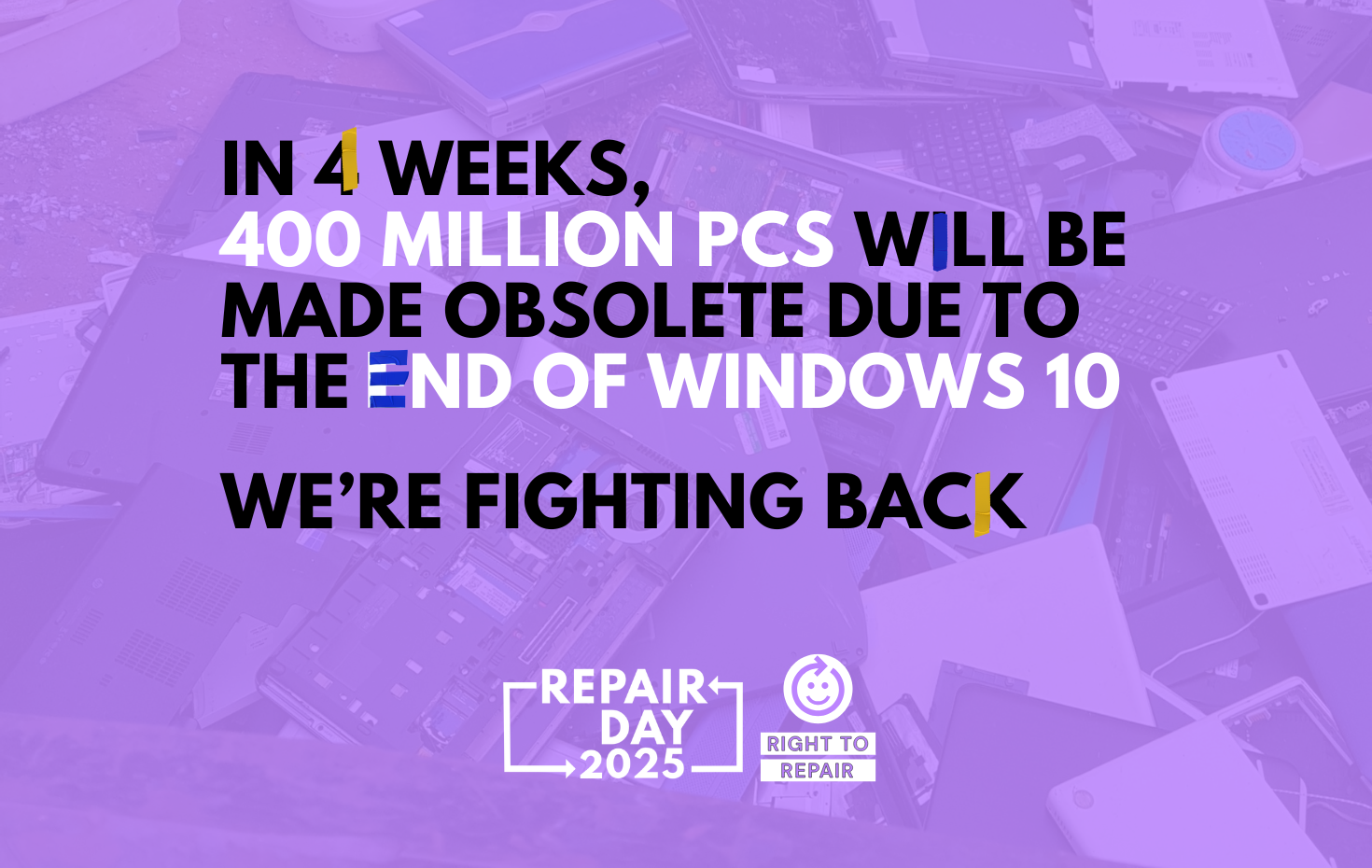
As Microsoft prepares to end free support for Windows 10, a significant environmental challenge looms on the horizon. With the transition to Windows 11, millions of computers might become obsolete, contributing to the already massive problem of electronic waste. This shift not only impacts consumer behavior but also raises critical questions about sustainability in technology, planned obsolescence, and consumer rights.
Key Takeaways: - The cessation of Windows 10 support could lead to a surge in e-waste as many devices become outdated. - Planned obsolescence accelerates the replacement cycle of electronics, exacerbating environmental harm. - Consumer groups are advocating for Microsoft to extend Windows 10 support, using Google's Chromebook update extension as a precedent. - Legislative actions are pushing for longer product lifespans and the right to repair, influencing tech industry practices.
---
The Environmental Impact of Ending Windows 10 Support
With Microsoft's announcement to end support for Windows 10, a wave of concern has risen regarding the environmental impact. Windows 10, released in 2015, has been a staple operating system known for its integration of Cortana and universal apps. However, as we approach its end of support date, users face a choice: upgrade to Windows 11 or continue using an unsupported system. This decision is not just a matter of software preference but has significant implications for e-waste.
The United Nations University's study reveals that approximately 50 million tons of e-waste are generated annually worldwide. Software obsolescence, like the end of Windows 10 support, contributes significantly to this figure by rendering functional hardware obsolete. When systems can no longer receive security updates or run the latest software, they often end up discarded, adding to the environmental burden.
The Role of Planned Obsolescence
Planned obsolescence is a strategy where products are designed with a limited lifespan to encourage frequent replacement. In the tech sector, this practice forces consumers and organizations to replace devices that could otherwise still function. Research shows that this can increase product replacement rates by up to 30% in some sectors, significantly impacting environmental sustainability. This not only leads to increased spending for consumers but also contributes to environmental degradation through the rapid lifecycle of electronic products.
Alternatives to this model include designing products with modularity in mind, where components can be easily replaced or upgraded, or implementing repair-friendly policies. These approaches could extend the life of electronic devices, reducing the need for constant replacement.
Advocacy for Extended Support
In response to the looming end of Windows 10 support, consumer groups and advocates are pressuring Microsoft to reconsider its stance. They cite the example of Google's extension of Chromebook updates, which has set a precedent in the tech industry. Google extended the automatic update expiration of many Chromebooks from 2017 by an additional 4 years, significantly reducing the e-waste from educational sectors where these devices are prevalent.
This advocacy is part of a broader movement towards digital sustainability and enhancing consumer rights. The pressure on Microsoft reflects a growing demand for tech companies to adapt their practices to meet environmental and consumer needs, promoting longer product lifespans.
Legislative Push for Right to Repair
Legislation around the world is beginning to reflect these concerns. The European Union, for instance, is advancing policies aimed at extending product life cycles through regulations that support the right to repair. This movement advocates for consumers' rights to repair their electronics, either themselves or through third parties, without being hindered by manufacturer restrictions. Such laws could potentially influence how software support is managed, encouraging companies like Microsoft to extend support periods or provide more repair-friendly options.
The Broader Context of Tech Industry Trends
The tech industry is witnessing a shift towards sustainability, driven by both regulatory pressures and consumer demand. Companies are now exploring models of the circular economy, where products are designed for longevity, ease of repair, and eventual recycling. This shift is crucial in mitigating the environmental impact of technology, particularly in an era where electronic devices are integral to daily life.
Environmental Considerations
E-waste is not just a volume issue but also a matter of hazardous material disposal. Electronics contain heavy metals like lead, mercury, and cadmium, which pose significant environmental and health risks if not disposed of properly. The end of software support accelerates the obsolescence of these devices, pushing them into the waste stream prematurely.
Conclusion
The end of Windows 10 support is more than a routine software lifecycle event; it's a catalyst for broader discussions on technology's environmental footprint, consumer rights, and corporate responsibility. As Microsoft and other tech giants navigate these challenges, the decisions made will likely set precedents for how technology evolves in an increasingly eco-conscious world. The hope is for a future where technology supports not just innovation but also sustainability, ensuring that the digital advancements we enjoy today do not come at the cost of our planet's health tomorrow.
Frequently Asked Questions
Q: end of Windows 10 support consequences
A: When Windows 10 support ends, Microsoft will no longer provide security updates, software patches, or technical assistance for the operating system. This increases the risk of security vulnerabilities, making devices more susceptible to malware and cyberattacks. Additionally, new software and hardware may become incompatible with Windows 10, and users might miss out on performance improvements and new features available in supported versions.
Q: Windows 10 upgrade to Windows 11 requirements
A: To upgrade from Windows 10 to Windows 11, your PC must meet specific hardware requirements including a compatible 64-bit processor with at least 1 GHz clock speed and 2 or more cores, 4 GB of RAM, and 64 GB of storage. It also requires UEFI firmware with Secure Boot capability, TPM version 2.0 support, and a DirectX 12 compatible graphics card. Additionally, a display larger than 9 inches with HD resolution is needed. Ensuring these requirements are met helps provide the best experience with Windows 11.
Q: impact of Windows 10 end of free updates
A: The end of free updates for Windows 10 means users will no longer receive new features, security patches, or bug fixes at no cost, which can increase vulnerability to security risks and reduce system performance over time. Users who want to continue receiving updates must purchase a new license or upgrade to a newer version like Windows 11. This can result in increased costs for individuals and organizations and may prompt them to consider alternative operating systems or devices. Additionally, software compatibility issues could arise as third-party applications evolve to support only newer Windows versions.
Q: planned obsolescence and e-waste
A: Planned obsolescence is a design strategy where products are intentionally made to have a limited lifespan, encouraging consumers to replace them sooner. This practice contributes significantly to electronic waste (e-waste), as devices are discarded more frequently, leading to increased environmental pollution and resource depletion. Addressing planned obsolescence can help reduce e-waste by promoting longer-lasting products and more sustainable consumption habits.
Q: right to repair campaign Windows 10
A: The right to repair campaign advocates for consumers and independent technicians to have access to the necessary tools, parts, and information to repair devices running Windows 10. This movement aims to reduce electronic waste, extend device lifespans, and provide users with more control over their computers. Microsoft has faced calls to support these efforts by making repair manuals and parts more accessible, although Windows 10 itself is mainly software, and the campaign often focuses on hardware compatibility and support. Ensuring that Windows 10 devices can be easily repaired aligns with the broader goals of the right to repair movement.
Key Entities
Microsoft: Microsoft is a leading technology company known for its software products like Windows and Office. It has also expanded into cloud computing and AI services, impacting various educational and business sectors.
Nathan Proctor: Nathan Proctor is the nuclear campaign director at PIRG, an organization focused on public advocacy and environmental issues. He works on campaigns related to nuclear safety and transparency in government policies.
PIRG: PIRG, or Public Interest Research Group, is a nonprofit organization that advocates for environmental protection and consumer rights. It conducts research and campaigns on issues such as nuclear safety and public health.
Google: Google is a multinational technology company specializing in internet services, including search, advertising, and cloud computing. It also provides educational tools and platforms used by school districts worldwide.
Oakland Unified School District: Oakland Unified School District is a public school system serving students in Oakland, California. It has engaged with technology initiatives from companies like Google and Microsoft to enhance educational resources.
External articles
- Windows 10 ends today – but we're not letting it go
- The End of Windows 10 Support Is an E-Waste Disaster in ...
- Windows 10 support ends on October 14, 2025
Related Articles
- Naked Mole-Rats: Unraveling the Secrets of Eusociality and Longevity
- AI Hallucinations in Legal Practice: Court Sanctions Highlight Risks
- Controversy Surrounding AI Judging Tool at Canadian Brewing Awards
YouTube Video
Title: End Of An Era | Windows 10
URL: https://www.youtube.com/shorts/Ga1LUtt8HqQ
Technology