

1960s Sexology and Psychedelic Research Foundations for Modern Brain Health
The 1960s marked a pivotal era for topics once deemed taboo, including human sexuality, psychedelic substances, and death.
Pioneering research by Alfred Kinsey, Masters and Johnson, and Timothy Leary challenged societal norms and laid the groundwork for new scientific paradigms.
Today, modern science reassesses these foundational studies to refine our understanding of sexual health, therapeutic psychedelics, neuroplasticity, and lifestyle interventions that promote brain wellness.
This article explores how 1960s sexology and psychedelic research continue to influence contemporary approaches to cognitive aging, addiction recovery, and digital detox strategies.
Frequently Asked Questions
Q: 1960s taboo in modern science
A: In the 1960s, certain scientific topics were considered taboo or controversial, such as research on human sexuality, mental health disorders, and bioethics surrounding contraception and abortion. Today, many of these topics are openly studied and discussed, though some areas like genetic modification and human cloning remain ethically debated. The shift reflects changing societal norms and greater emphasis on ethical guidelines and scientific transparency in modern research.
Q: Effects of quitting smoking on memory
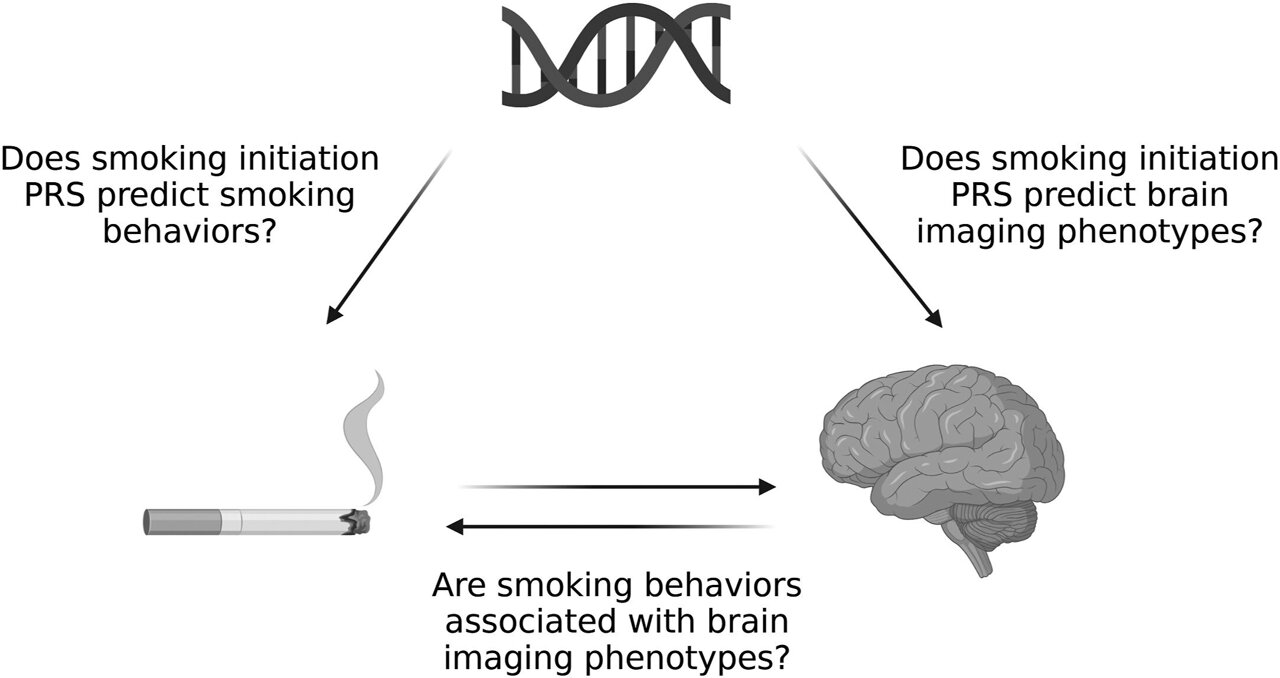
A: Quitting smoking can have positive effects on memory over time. Smoking damages brain cells and reduces blood flow, which can impair cognitive functions including memory. After quitting, improved circulation and reduced exposure to harmful chemicals support brain healing, potentially leading to better memory retention and cognitive clarity. While some may experience short-term withdrawal symptoms like difficulty concentrating, long-term benefits often include enhanced mental performance and memory.
Q: How to rewire brain from internet addiction
A: To rewire your brain from internet addiction, start by gradually reducing your online time and setting specific limits for internet use. Replace internet activities with engaging offline hobbies such as reading, exercising, or socializing to create new neural pathways. Practicing mindfulness and meditation can help improve self-control and awareness of urges. Additionally, seeking support from therapy or support groups can provide strategies to cope with triggers and sustain long-term change.
Q: Benefits of liposomal supplements
A: Liposomal supplements offer enhanced absorption and bioavailability compared to traditional supplements due to their unique lipid-based delivery system. This means that nutrients are better protected as they pass through the digestive system, allowing more of the active ingredient to reach the bloodstream. As a result, liposomal supplements can improve the effectiveness of vitamins, minerals, and other compounds, potentially leading to quicker and more noticeable health benefits. They are especially useful for nutrients that are poorly absorbed or unstable in the digestive tract.
Q: Dr. Mercola health advice
A: Dr. Joseph Mercola is an osteopathic physician known for offering health advice that often emphasizes natural and alternative approaches, including nutrition, supplements, and lifestyle changes. He advocates for a diet rich in whole, unprocessed foods, adequate sunlight exposure for vitamin D, regular physical activity, and minimizing exposure to toxins. However, some of his advice and views have been controversial or criticized by mainstream medical experts, so it is important to consider multiple sources and consult with healthcare professionals before making significant health changes based on his recommendations.
Key Entities
Dr. Mercola: Dr. Mercola is an osteopathic physician and alternative medicine proponent known for promoting natural health products and controversial views on vaccines. He is the founder of Mercola.com, a website that offers health-related information and supplements.
Mercola.com: Mercola.com is a health website founded by Dr. Mercola that provides articles, supplements, and alternative health advice. The site has been criticized for spreading misinformation about vaccines and conventional medicine.
Food and Drug Administration: The Food and Drug Administration (FDA) is a U.S. federal agency responsible for regulating food, drugs, medical devices, and cosmetics. It plays a critical role in ensuring public health safety and approving pharmaceuticals before market release.
External articles
- From recreational to functional drug use - PubMed Central - NIH
- Psychiatric Power and Taboo in Modern Psychedelia
- LSD and The Hippies: A Focused Analysis ...
Articles in same category
- Persistent Artery Inflammation: Hidden Causes, Exercise & Supplement Solutions
- Melatonin for Migraine Prevention: Evidence-Based Benefits and Safety Insights
- Ticagrelor Safety and Efficacy Under Scrutiny Due to PLATO Trial Flaws
YouTube Video
Title: (untitled)
Health