

Winter Driving in Norway: Safety Tips and Preparation for Changing Weather
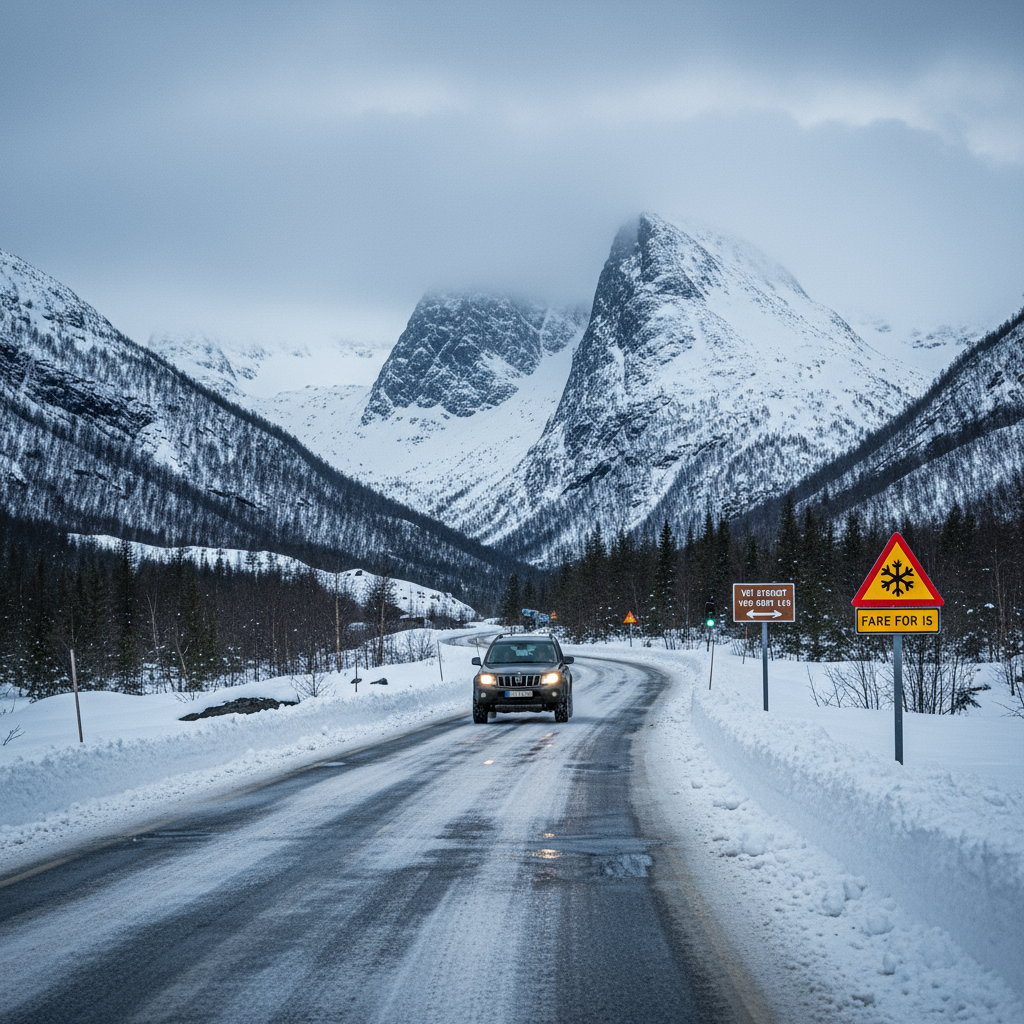
Norway's winter driving conditions pose unique challenges due to its dynamic climate. Recent milder temperatures have temporarily reduced snowfall, improving road safety, but heavy snow and cold are expected to arrive early, especially in northern regions. Drivers must be vigilant of slippery roads and adhere to regulations, such as using studded winter tires from November to Easter. Proper vehicle maintenance—including ice scrapers, snow brushes, and cold-weather windshield fluid—is vital. Monitoring real-time road conditions through official channels helps avoid hazardous areas. Despite the beauty of Norway’s winter landscapes, safe travel requires thorough preparation and respect for the often harsh and unpredictable weather.
Navigating Winter Driving Conditions in Norway: Safety and Preparation Amidst Changing Weather
Norway’s winter driving environment presents unique challenges directly influenced by its dynamic climate conditions. Recent warmth across parts of the country has temporarily reduced snowfall levels, enhancing road safety. However, forecasts predict an early onset of winter characterized by heavy snow and cold temperatures, particularly impacting northern regions. This article outlines critical safety tips, vehicle maintenance advice, and the importance of monitoring road closures to ensure secure travel during Norway’s winter months.
Recent Weather Trends and Their Impact on Road Safety
Although Norway has experienced unusual milder temperatures reducing the volume of snowfall, northern areas have already endured significant snow accumulation. These conditions have contributed to slippery roads, traffic delays, and occasional closures, notably in mountainous zones where driving hazards escalate. The unpredictable nature of Norwegian weather demands heightened vigilance, as visibility can deteriorate rapidly from early autumn through late spring.
Challenges Posed by Unprepared Vehicles
A key concern in winter driving safety is the prevalence of trucks and other vehicles lacking adequate winter tires. This deficiency markedly increases the likelihood of vehicular accidents and traffic disruptions on critical routes, including major highways. Norwegian regulations mandate the use of studded winter tires from November until Easter within many regions, underscoring the need for proper equipment to navigate icy surfaces effectively.
Essential Preparations for Safe Winter Driving
To mitigate risks associated with Norway’s winter landscapes, comprehensive vehicle maintenance is essential. Drivers should ensure their vehicles are equipped with ice scrapers, snow brushes, and sufficient windshield washer fluid designed for low temperatures. Additionally, adherence to the winter tire requirement is crucial, as is continuous monitoring of real-time road conditions through official services such as Vegvesenets Veimeldinger. Awareness of snowfall forecasts and possible road closures can assist travelers in planning routes and avoiding hazardous areas.
Specific Considerations for Road Travel
While detailed information on conditions along the E8 highway is limited, it is representative of the broader challenges faced on Norway’s main roads during winter. Slippery surfaces combined with strong winds and low temperatures—often ranging between -3°C and 4°C—demand cautious driving practices. Some mountainous roads remain closed throughout winter due to high risks of snow accumulation and unsafe passage until spring thaw permits reopening.
Balancing Natural Beauty with Winter Driving Realities
Norway’s winter scenery, from snow-covered landscapes to spectacular views of the Northern Lights, offers unmatched natural beauty. Yet, these conditions introduce inherent challenges for drivers. Successfully navigating winter weather requires not only appreciation of the environment but also rigorous preparation and respect for the climatic conditions influencing road safety.
Conclusion
Winter driving in Norway involves navigating a complex interplay between natural weather patterns and stringent safety requirements. Despite recent warmth easing conditions temporarily, travelers must remain prepared for early heavy snowfall and cold temperatures that affect vehicular safety and traffic flow. By ensuring mandatory use of winter tires, maintaining vehicles properly, and consulting official road condition reports, drivers can safely enjoy Norway’s winter landscapes while minimizing risks associated with this demanding climate.
Frequently Asked Questions
Q: First snow traffic problems Norway
A: The first snowfall in Norway often leads to traffic problems as drivers adjust to slippery roads and reduced visibility. Many accidents occur due to unprepared vehicles, such as those without winter tires, and unfamiliarity with winter driving conditions. Authorities typically issue warnings and advise cautious driving, as well as ensuring vehicles are equipped for snow and ice. Public transportation may also experience delays during the initial snow events, affecting commute times across the country.
Q: Winter driving conditions Norway
A: Winter driving conditions in Norway can be challenging due to snow, ice, and reduced daylight hours. Roads are often covered with snow and can be slippery, requiring the use of winter tires, which are mandatory from November to April. Drivers should be prepared for variable weather, including sudden snowstorms and black ice, especially in mountainous or rural areas. It’s important to drive cautiously, maintain a safe distance, and stay informed about weather and road conditions before traveling.
Q: Snowfall impact on Norwegian roads
A: Snowfall significantly affects Norwegian roads by reducing traction and visibility, leading to hazardous driving conditions. During heavy snowfall, roads can become icy and slippery, increasing the risk of accidents and traffic disruptions. Norwegian authorities typically respond with snow plowing, salting, and sanding to keep major roads passable. Drivers are advised to use winter tires and drive cautiously to navigate safely during snowy weather.
Q: Truck safety in winter Norway
A: Truck safety in winter in Norway requires careful preparation and adherence to regulations due to harsh weather conditions. Trucks must be equipped with winter tires or studded tires, as mandated by law during the snowy months. Drivers should be trained in handling icy roads and reduced visibility conditions, maintaining safe speeds and distances. Additionally, carrying chains and emergency supplies is recommended to handle unexpected situations on snowy or icy roads.
Q: Road closures due to snow Norway
A: In Norway, road closures due to snow are common during winter months, especially in mountainous regions and northern areas. Authorities monitor weather conditions closely and may close roads to ensure safety from avalanches, heavy snowfall, or icy conditions. Travelers should check the Norwegian Public Roads Administration (Statens vegvesen) website or local traffic updates for real-time information on road status. Snow chains and winter tires are often mandatory during these conditions to help improve vehicle traction.
Key Entities
Finnmark: Finnmark is the northernmost county in Norway, known for its Arctic landscapes and Sami culture. It plays a significant role in Sweden's northern geographic context, adjacent to regions like Troms and Nordland.
Nordland: Nordland is a county in northern Norway characterized by its rugged coastline and mountainous terrain. It lies south of Troms and Finnmark, serving as a key area for fishing and maritime activities.
Skibotndalen: Skibotndalen is a valley located in Troms, Norway, known for its relatively mild climate due to its inland position. It is a notable geographical feature within the Troms region, popular for outdoor recreation.
Troms: Troms is a former county in northern Norway, now part of Troms og Finnmark, recognized for its fjords and mountainous landscapes. It includes areas like Skibotndalen and shares borders with Finnmark and Nordland.
Saltfjellet: Saltfjellet is a mountain range and national park in Nordland, Norway, forming a natural barrier between northern and central parts of the country. It contains diverse flora and fauna and serves as an important route for transportation.
External articles
- 10 Must-Know Things About Safe Winter Driving in ...
- First snow led to usual traffic problems
- How to drive in Norway in winter | All you need to know
Articles in same category
- Kristian Berg Harpviken Named Director of Norwegian Nobel Institute: Shaping the Future of the Nobel Peace Prize
- The Norwegian Parliament Opens with Royal Tradition Amid Political Shifts Following 2025 Election
- Norwegian Government Cancels Stad Ship Tunnel Project Amid Rising Costs
YouTube Video
Title: Norway Relaxing Snow Storm Winter Snowy Drive Tour - Ice Roads - Ambient ASMR sounds, VENABUFJELLET
Channel: Norwegian Xplorer Road Adventures and Norwegian Xplorer
URL: https://www.youtube.com/watch?v=_IPZ99KD5AQ
Published: 2 weeks ago
News