


U.S. Travel Disruptions in 2026: Winter Storms, DHS Shutdown & Airspace Closures
February 20, 2026, marks the onset of widespread disruptions shaking the U.S. travel landscape.
A partial shutdown at the Department of Homeland Security, record-breaking winter storms, and military airspace closures have converged to create a perfect storm of travel chaos.
Travelers should brace for delays and cancellations as security screenings and flight clearances slow.
Airlines are not obligated to cover expenses caused by disruptions, highlighting the importance of travel insurance.
Flexibility, preparedness, and vigilance are critical for navigating the turbulent 2026 travel season.
Read more:
perplexity.ai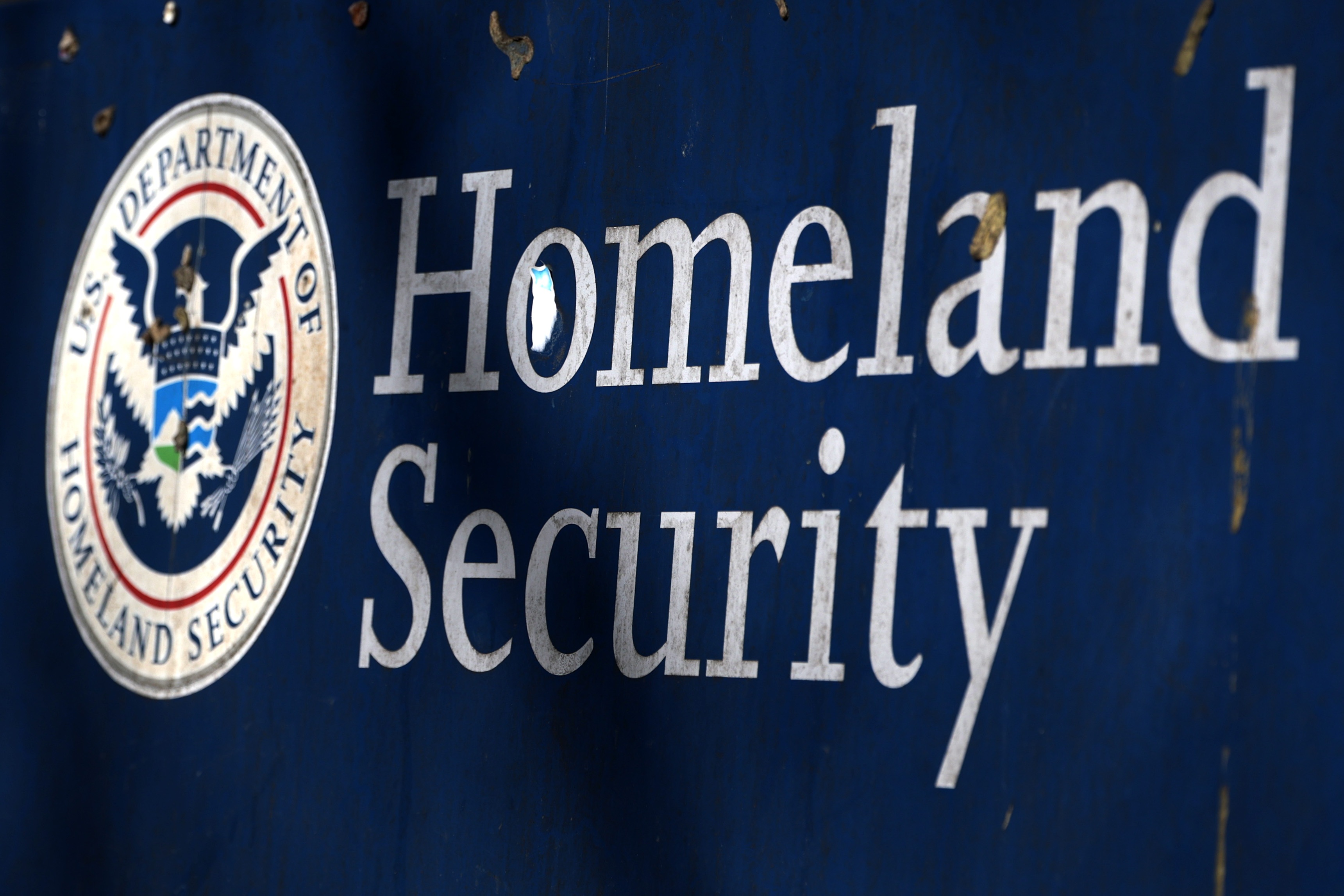
Turbulence on the Horizon: Navigating U.S. Travel Disruptions Amid Winter Storms and Homeland Security Shutdown
As the nation braces for a challenging stretch of travel, February 20, 2026, marks the onset of widespread disruptions shaking the U.S. travel landscape. A combination of a partial shutdown at the Department of Homeland Security, stirring ripples through FAA and TSA operations, along with an onslaught of record-breaking winter storms, and widespread military airspace closures have converged to create a perfect storm of travel chaos.
Travelers heading through American skies should brace for delays and cancellations. The partial DHS shutdown means that key regulatory agencies tied to the smooth function of air travel are operating at reduced capacities, slowing inspections, security screenings, and flight clearances. On top of this, winter storms have blanketed large swaths of the country in snow and ice, grounding flights and snarling ground transport. Military airspace closures, often necessary for strategic exercises, further add to the congestion in already overcrowded air corridors.
What does this mean for the everyday traveler? While airlines work tirelessly against these hurdles, passengers face the frustrating reality that airlines are not obligated to cover expenses for meals, lodging, or missed connections caused by such disruptions. This underscores the crucial value of travel insurance—though even here, travelers are urged to scrutinize the fine print, as coverage gaps can catch many off-guard. Additionally, with heightened security protocols and operational slowdowns, ensuring all visa and travel documents are in order is more important than ever.
This confluence of disruptions serves as a high-stakes reminder of the delicate interplay between government operations, natural forces, and the intricacies of modern travel logistics. Winter storms have always tested travelers’ patience, but add in bureaucratic shutdowns and strategic airspace restrictions, and the 2026 travel season suddenly looks far more volatile than any forecast could have foretold.
For those planning journeys—whether business trips or long-awaited vacations—flexibility and preparedness have never been more critical. Keep a close eye on weather forecasts, stay in touch with airlines for real-time updates, and double-check travel documentation. The skies might be turbulent, but with vigilance and patience, travelers can still navigate through these challenging times.
Questions and answers
Q: How to prepare for travel disruptions due to winter storms
A: To prepare for travel disruptions caused by winter storms, check weather forecasts regularly and have flexible travel plans. Pack essentials like warm clothing, snacks, and medications to stay comfortable during delays. Stay in contact with your airline for updates and consider arriving early at the airport. Having backup accommodations or transportation options can also minimize stress during unexpected changes.
Q: Impact of DHS shutdown on air travel
A: A Department of Homeland Security (DHS) shutdown can significantly disrupt air travel by reducing the workforce responsible for security screenings and airport operations. This may lead to longer wait times, increased delays, and potential flight cancellations due to understaffed checkpoints. Passengers should plan ahead, stay informed about government operations, and allow extra time at airports during such shutdowns.
Q: Tips for passengers during flight delays and cancellations
A: Passengers facing flight delays or cancellations should remain calm and communicate promptly with airline staff to explore alternate flights or refunds. It's helpful to have travel details and identification readily available for quick rebooking. Keeping essential items like snacks, chargers, and entertainment accessible can improve comfort while waiting. Additionally, monitoring airline apps or notifications can provide real-time updates and assistance options.
Q: Importance of travel insurance in disrupted travel seasons
A: Travel insurance is especially important during disrupted travel seasons as it can provide coverage for unexpected changes like trip cancellations, delays, or medical emergencies. It offers financial protection against losses and can assist with rebooking or accommodations in case of disruptions. Purchasing a comprehensive policy gives travelers peace of mind, knowing they have support if unforeseeable events affect their plans.
Q: Effects of military airspace closures on flights
A: Military airspace closures can cause rerouting of commercial flights, leading to longer travel times and potential delays. These temporary restrictions are put in place for safety during exercises or operations and can affect air traffic patterns near affected areas. Airlines typically coordinate with authorities to minimize disruptions, but passengers may still experience changes to flight paths or schedules during such closures.
Key Entities
Department of Homeland Security: The Department of Homeland Security (DHS) is a federal agency responsible for protecting the United States from threats and managing border security, immigration, and disaster response. DHS oversees agencies such as the Transportation Security Administration to ensure the safety of air travel.
Federal Aviation Administration: The Federal Aviation Administration (FAA) regulates all aspects of civil aviation in the United States, including air traffic control and safety standards. It plays a key role in maintaining the security and efficiency of the national airspace system.
Transportation Security Administration: The Transportation Security Administration (TSA) is a division of the Department of Homeland Security tasked with securing the nation’s transportation systems, notably airport security checkpoints. TSA implements screening procedures to prevent threats to air travel.
United States military: The United States military consists of the Army, Navy, Air Force, Marine Corps, Space Force, and Coast Guard, responsible for national defense and overseas operations. It collaborates with civilian agencies to respond to security threats and emergencies.
American airlines: American Airlines is one of the largest commercial airlines in the United States, operating extensive domestic and international flights. It works closely with regulatory agencies like the FAA and TSA to comply with aviation safety and security standards.
External articles
- The Government Shutdown's $6 Billion Toll on Travel and ...
- How the Homeland Security shutdown is impacting travel ...
- US homeland security shutdown could mean airport delays ...
Articles in same category
- FAA Flight Reductions During Government Shutdown: Staffing Shortages or Political Motives?
- Iconic Luxury Resorts in Hawaii Featuring Polynesian Architecture and Premium Hospitality
- Luxury Hotel Openings to Watch in 2025: Exclusive Resorts and Historic Charm
YouTube Video
Title: (untitled)
Travel