

Timeless Travel in 2026: Embrace Slow, Sustainable Exploration
As the landscape of travel evolves with technology and the human spirit’s insatiable hunger for discovery, 2026 stands poised as a year where timeless exploration meets modern flair.
In an era dominated by fleeting digital distractions, the art of slow travel—immersing oneself deeply in a locale, tasting its flavors, hearing its stories, and feeling its heartbeat—has surged to the forefront.
Technology, rather than diluting authenticity, now elevates it.
Sustainability has become the lodestar guiding every journey, fostering travel that honors the earth and its inhabitants.
In a world buzzing with noise and haste, 2026 invites us back to the essence of travel: curiosity, wonder, and a profound connection to our planet and its people.
Read more:
perplexity.ai
The Allure of Timeless Travel: Why 2026 Is Your Year to Roam
As the landscape of travel evolves with technology and the human spirit’s insatiable hunger for discovery, 2026 stands poised as a year where timeless exploration meets modern flair. Though the latest updates may be scant on headline-grabbing news, what truly matters in this moment is the kind of journey that transforms not just the destination, but the traveler.
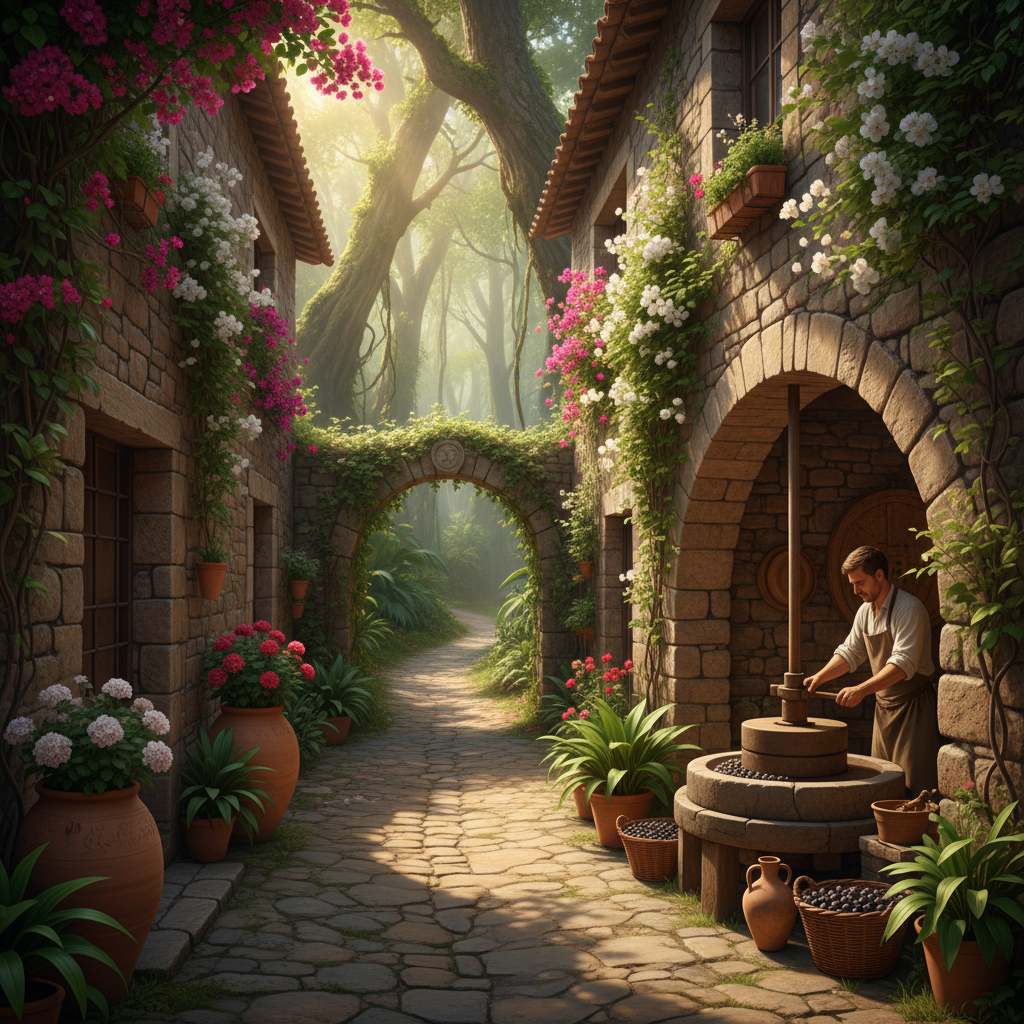
In an era dominated by fleeting digital distractions, the art of slow travel—immersing oneself deeply in a locale, tasting its flavors, hearing its stories, and feeling its heartbeat—has surged to the forefront. Picture wandering through sun-dappled alleyways of a centuries-old Mediterranean village, where olives are pressed and stories passed down, or trekking through emerald rainforest trails that whisper ancient secrets. These experiences are no mere escape; they’re invitations to reconnect with the raw, unfiltered beauty of our world.
Technology, rather than diluting authenticity, now elevates it. From AI-powered personalized travel itineraries to virtual reality previews offering tantalizing glimpses before arrival, travelers in 2026 navigate their adventures with an unprecedented sense of purpose and precision. Yet, the thrill lies not in speed or efficiency alone, but in the serendipitous moments—the eye-contact with a local artisan, the surprise festival in a remote town, the silence of a dawn-lit desert.
Sustainability has become the lodestar guiding every journey. Travelers are increasingly mindful, favoring eco-conscious accommodations, respecting indigenous cultures, and championing local economies. This shift fosters travel that honors the earth and its inhabitants, ensuring that future generations inherit not just postcards, but living, breathing landscapes.
In a world buzzing with noise and haste, 2026 invites us back to the essence of travel: curiosity, wonder, and a profound connection to our planet and its people. The headlines may be quiet today, but the promise of adventure—rich, transformative, and endlessly inspiring—echoes louder than ever. So pack your bags, carve out time, and set forth; the world is waiting to reveal its timeless stories.
Questions and answers
Q: Why travel in 2026
A: Traveling in 2026 offers opportunities to explore new destinations as global tourism continues to adapt and innovate post-pandemic. Advancements in infrastructure and technology will make travel more convenient and immersive. Additionally, travelers can engage in more sustainable and responsible tourism practices, supporting local communities and minimizing environmental impact.
Q: Benefits of slow travel
A: Slow travel encourages deeper connections with destinations by allowing travelers to spend more time in one place, leading to a more authentic and immersive experience. It reduces environmental impact by minimizing transportation frequency and promotes sustainable tourism. This approach also provides opportunities for relaxation, cultural understanding, and supporting local economies.
Q: How technology enhances travel experiences
A: Technology enhances travel by providing easy access to information, seamless booking processes, and real-time navigation assistance. It enables personalized recommendations through AI, virtual tours, and language translation tools, making travel more accessible and enjoyable. Additionally, technology fosters connectivity, allowing travelers to share experiences and stay safe during their journeys.
Q: Sustainable travel practices
A: Sustainable travel practices include choosing eco-friendly transportation, supporting local businesses, minimizing waste, and respecting cultural and natural environments. Travelers can reduce their carbon footprint by opting for public transit, biking, or walking, and by staying in accommodations that prioritize sustainability. Being mindful of resource consumption and participating in conservation efforts also contributes to responsible tourism.
Q: Best eco-friendly travel destinations
A: Some of the best eco-friendly travel destinations prioritize conservation, sustainable tourism, and cultural preservation. Examples include Costa Rica for its biodiversity and eco-lodges, New Zealand with its strong environmental policies, and Bhutan, which emphasizes Gross National Happiness and environmental stewardship. These destinations offer rich natural experiences while promoting responsible travel practices.
External articles
- What are the benefits of slow travel and tourism?
- Why Taking Your Time Is the Most Sustainable Way to ...
- Slow Travel: Sustainable Itineraries That Inspire
Articles in same category
- FAA Flight Reductions During Government Shutdown: Staffing Shortages or Political Motives?
- Iconic Luxury Resorts in Hawaii Featuring Polynesian Architecture and Premium Hospitality
- Luxury Hotel Openings to Watch in 2025: Exclusive Resorts and Historic Charm
YouTube Video
Title: Travel Goals
URL: https://www.youtube.com/shorts/x9fC0ki1yko
Travel