


Rosalía on Loneliness and Spirituality in Her Ambitious Album Lux
Spanish singer Rosalia spoke openly about loneliness and the creative demands of her career during a recent Popcast appearance.
Her latest album, Lux, a complex spiritual work sung in 13 languages, blends religious themes with experimental sounds and earned praise from the Vatican.
The album’s exploration of faith, love, and humility marks a significant artistic evolution.
Rosalia balances her public image and personal faith, connecting deeply with fans worldwide.
Lux’s critical acclaim highlights the bridge between pop culture and spirituality that Rosalía embodies.
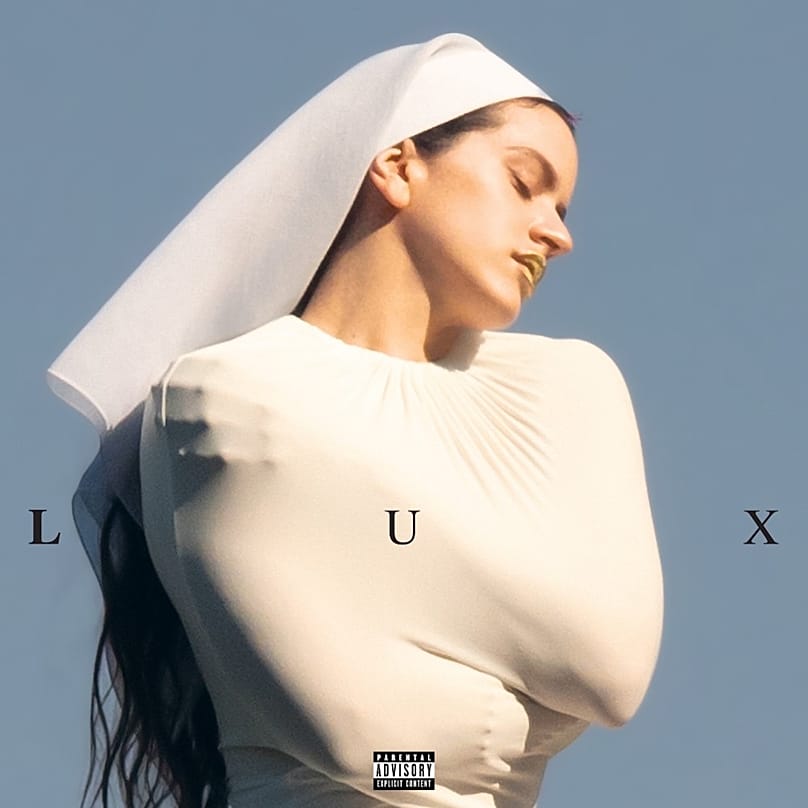
Rosalía opened up about experiencing loneliness during an appearance on Popcast
Spanish singer-songwriter Rosalía has recently spoken candidly about her struggles with loneliness, as well as the creative demands of her career and her spiritual journey—topics that have resonated widely amid the release of her ambitious fourth studio album, *Lux*. The album, which blends religious themes with experimental sounds and has attracted praise even from the Vatican, marks a significant artistic evolution for the Catalan star.
Key Points: - Rosalía describes loneliness as a difficult but important life lesson tied to her demanding music career and constant travel. - Her latest album, *Lux*, is a complex, spiritual work sung in 13 languages, drawing on Catholic mysticism and featuring collaborations with the London Symphony Orchestra and Björk. - The Vatican has praised *Lux* for addressing profound spiritual needs in contemporary culture, signaling an unusual bridge between pop music and the Catholic Church. - Rosalía shares a personal connection to faith without preaching, and her artistic expression explores obedience, love, and humility. - The singer’s public image continues to captivate fans worldwide, with recent social media posts showcasing her influential cultural presence.
Loneliness and the life of a global artist
In a revealing appearance on the New York Times’ podcast *Popcast*, Rosalía opened up about the isolating aspects of her success. "Loneliness is my lesson in this life," she said. Despite being a deeply social person who thrives on affection and companionship, her life on the road and in foreign countries makes it difficult to maintain close relationships. She described the necessity of isolating herself for creative work, even from partners, underscoring the challenging balance between personal life and artistic devotion.
Rosalía reflected on her romantic nature and admitted that being a "serial monogamist" complicates matters. “I always find myself having to be in a different country... to do my job,” she explained, emphasizing the tension between nurturing relationships and pursuing her musical ambitions. When loneliness hits, she seeks comfort in simple pleasures—listening to Nina Simone, taking baths, eating ice cream, walking, or talking with her sister.
*Lux*: an ambitious spiritual masterpiece
Released on November 7, *Lux* has been hailed as a masterpiece by critics globally. Unlike typical pop albums, *Lux* is a concept album presented in four movements and sung in 13 different languages. It honors female saints and mystics—such as Hildegard of Bingen and the Hebrew prophetess Miriam—and merges operatic, flamenco, electronic, and orchestral elements. Collaborations with the London Symphony Orchestra, Icelandic artist Björk, and poet Patti Smith contribute to its rich texture.
Rosalía’s spiritual convictions are evident throughout the album. Songs like “Divinize” and “Novia Robot” contain explicit religious references, and the album cover hints at a nun’s veil. The deeply personal nature of the album has gained recognition far beyond secular media.
Vatican’s rare endorsement and the church’s evolving stance on pop culture
What is particularly remarkable is the Vatican’s warm and appreciative reception of *Lux*. Cardinal José Tolentino de Mendonça praised Rosalía for addressing spirituality in a way that fulfills a profound cultural need to cultivate the inner life. The local bishop overseeing Rosalía’s hometown lauded her unreserved expression of her relationship with God.
This acceptance contrasts sharply with the Catholic Church’s historical resistance to provocative pop culture icons—Madonna’s *Like a Prayer* controversy and Elizabeth Taylor’s scandalous lifestyle come to mind. The shift indicates a broader institutional willingness to engage with contemporary art on respectful terms.
Rosalía herself embraces her faith privately and publicly without dogma. She told interviewers, “I pray every night before I fall asleep. It’s a very personal relationship with God.” This approach resonates with modern secular and religious audiences alike, demonstrating that faith and pop music can coexist meaningfully.
The artistry and emotional breadth of *Lux*
Critics and fans alike have been captivated by the album’s emotional complexity and technical brilliance. Rosalía’s classically trained voice flows through diverse musical terrains—classical symphony, electronic distortion, flamenco claps, and more. The album encourages listeners to experience spirituality as a journey rather than a didactic message.
Songs explore themes of fear, love, forgiveness, and transcendence with raw intensity, accompanied by soaring vocals and dynamic instrumentation. Tracks like "La Perla" express joyous playfulness, while "Mio Cristo Piange Diamante" reveals profound emotional depths.
This multidimensional work requires a total surrender to its artistic and spiritual vision, transcending language barriers as its emotional power shines through universally.
Rosalía’s cultural impact and public persona
Beyond her music, Rosalía’s recent Instagram posts have ignited fan enthusiasm. Images of her dressed in a white mini-dress during her time in Argentina went viral, with fans expressing love and welcoming her warmly back to Buenos Aires. This public visibility complements her artistic profile, rooting her as a beloved international figure.
Furthermore, her hit song “Berghain” inspired a reinterpretation by the Royal Ballet and Opera, showcasing the cross-genre influence Rosalía wields. The stripped-back cover version highlights the adaptability and wide appreciation of her work.
Conclusion
Rosalía’s openness about loneliness and the sacrifices of fame adds a human dimension to her artistic persona, while her spiritual album *Lux* breaks new ground as both a critical and cultural phenomenon. The Vatican’s unexpected endorsement illustrates a shifting relationship between pop culture and established religious institutions. Rosalía stands as a compelling example of a modern artist who embraces faith and creativity without compromise, offering a transcendent work that invites listeners into a profound dialogue of music, spirituality, and identity.
Questions and answers
Q: Rosalía interview about loneliness
A: In interviews, Rosalía has spoken candidly about feelings of loneliness, describing it as a complex and often inspiring emotion that influences her music. She views loneliness not only as a personal challenge but also as a space for creativity and self-discovery. Through her art, she transforms solitude into a powerful source of emotional expression.
Q: Meaning of Rosalía's Lux album
A: Rosalía's album Lux explores themes of transformation, light, and human connection, blending innovative sounds with deep emotional narratives. The title 'Lux' refers to light in Latin, symbolizing clarity and enlightenment, which reflects the album's exploration of personal growth and artistic evolution. The music combines traditional influences with contemporary styles, creating an immersive experience that emphasizes resilience and hope.
Q: Vatican praise of pop music
A: The Vatican has occasionally acknowledged the cultural significance of pop music, emphasizing its power to connect people and convey important messages. Church leaders have praised certain artists and genres for their ability to inspire and engage youth, recognizing pop music as a tool for promoting positive values. This perspective highlights the potential of popular music to bridge spiritual and social dimensions in modern society.
Q: Rosalía spiritual journey
A: Rosalía's spiritual journey is reflected in her evolving artistic expression, where she incorporates themes of identity, introspection, and cultural heritage. Her work often delves into personal and collective spirituality, blending traditional motifs with contemporary sounds to explore deeper human experiences. This journey is marked by a search for meaning and connection beyond the material world, influencing both her music and public persona.
Q: Collaborations on Lux album
A: On the Lux album, Rosalía collaborated with a diverse group of artists and producers, bringing together various musical styles and perspectives. These collaborations enrich the album's sonic landscape, combining elements from flamenco, pop, electronic, and urban genres. Notable contributors include producers and featured artists who complement Rosalía’s vision, enhancing the thematic depth and innovation of the project.
Key Entities
Rosalía: Rosalía is a Spanish singer and songwriter known for blending flamenco with contemporary music styles like pop and urban. She has gained international acclaim for her innovative approach and powerful vocal performances.
Vatican: The Vatican is the independent city-state and spiritual headquarters of the Roman Catholic Church, located within Rome. It serves as the residence of the Pope and a major center for religious diplomacy and cultural heritage.
London Symphony Orchestra: The London Symphony Orchestra is one of the world's leading orchestras, based in London, England. It is renowned for its versatility and has a rich history of recordings, performances, and collaborations across diverse musical genres.
Björk: Björk is an Icelandic singer, songwriter, and composer known for her avant-garde music and innovative multimedia performances. She has influenced experimental and electronic music while maintaining a distinctive artistic identity.
Cardinal José Tolentino de Mendonça: Cardinal José Tolentino de Mendonça is a Portuguese prelate of the Catholic Church and a noted theologian and poet. He holds prominent positions within the Vatican, contributing to its cultural and spiritual discourse.
External articles
- Rosalía Says 'Loneliness' Is Her 'Lesson in This Life'
- Rosalia explains real reason behind loneliness
- On 'Lux,' Rosalía Breaks Herself Open and Turns Forward ...
Articles in same category
- Music Industry Leadership Changes and Strategic Shifts in Digital Era
- Kenny Loggins Demands Removal of ‘Danger Zone’ from Trump’s AI Video
- Lynyrd Skynyrd 1977 Plane Crash: Tragic Loss of Six Lives
YouTube Video
Title: Rosalía Recording ‘LUX’ in 13 Languages: “Every Word On this Album I Fought For” | Billboard Cover
Channel: Billboard and Billboard Latin
URL: https://www.youtube.com/watch?v=QjezAQF_hsE
Published: 3 weeks ago
Music