


Quantum Computing, AI Innovations, and Sustainability Shaping 2026 Tech Landscape
February 2026 marks a transformative chapter where quantum computing, artificial intelligence, and sustainable innovations surge headlong into the future.
IonQ’s $1.8 billion acquisition of SkyWater Technology promises to fuse quantum computing with semiconductor mastery, signaling the dawn of a new era.
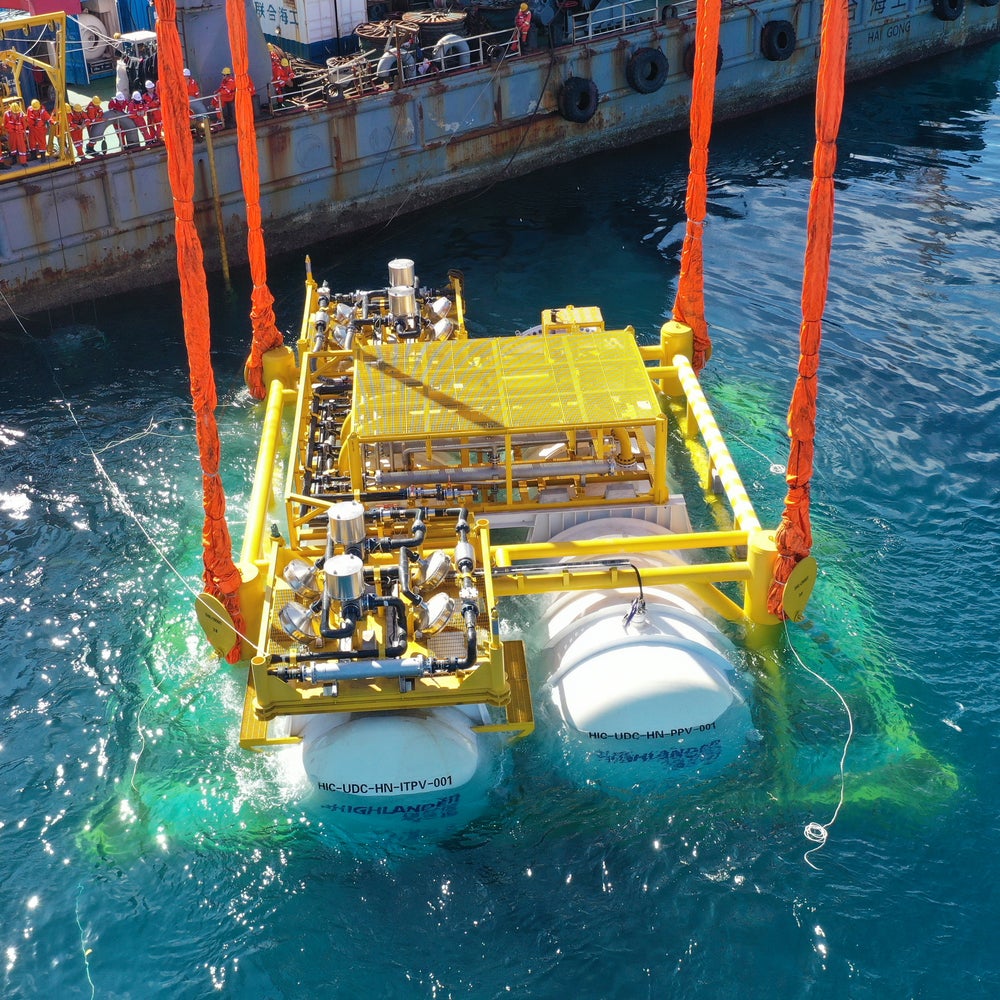
China’s underwater AI data center off Hainan underscores innovation and ecological tension, while Apple emphasizes privacy amid AI’s tidal wave.
NVIDIA expands AI’s reach to robotics and weather forecasting, and Nio celebrates over 100 million battery swaps, driving sustainable mobility.
The tech landscape in 2026 blends quantum dreams, AI realities, and ecological imperatives.
Read more:
perplexity.aiSummary
Quantum Leap and AI Waves: The Tech Tsunami Shaping 2026
In the swiftly unfolding saga of technology, February 2026 marks a transformative chapter where quantum computing, artificial intelligence, and sustainable innovations surge headlong into the future. At the epicenter of this revolution stands IonQ’s bold $1.8 billion acquisition of SkyWater Technology, a strategic coup that promises to fuse quantum computing with semiconductor mastery. This union isn't just a business move; it’s a domestic powerhouse creation, securing the United States a vertically integrated quantum-tech supplier capable of pushing frontiers in computing speed and security. SkyWater shareholders’ $35 per share cash-and-stock deal signals more than profit—it signals the quantum dawn.
Across the Pacific, China has deepened its dive into the future with an underwater data center off the coast of Hainan. Employing seawater cooling, this colossal installation now anchors a sprawling AI computing hub beneath the waves. It underscores a daring blend of innovation and ecological tension, signaling a shift from experiment to mainstream AI infrastructure. This subterranean marvel handles cloud operations and AI training with an efficiency previously unimaginable—offering a glimpse into a future where data flows as fluidly as the ocean itself, though not without stirring environmental debates.
Meanwhile, tech giant Apple anchors the human element in AI’s tidal wave with an emphasis on privacy and real-world user tools. From AirPods live translation to smarter Siri enhancements, Apple’s latest innovations focus on weaving AI seamlessly into daily life. Tim Cook’s insistence on privacy and user experience as core differentiators reminds us that while AI races forward, the soul of technology must remain deeply human, protecting individual freedoms in an interconnected world.
NVIDIA, never one to linger on the sidelines, stretches AI’s reach beyond traditional domains. Their partnership with Opentrons and the launch of Earth-2 speak to a new era where AI-driven robotics experiment in labs and supercharged weather models forecast disasters and optimize agriculture and energy usage. It’s an expansion of AI’s terrain—from the ethereal circuits of data centers to the very physical realities of Earth, making technology an indispensable ally in our quest for survival and progress.
On the sustainability front, Chinese electric vehicle pioneer Nio celebrates a remarkable global milestone: over 100 million battery swaps completed. This achievement highlights not only the technological advances in battery-swapping infrastructure but also a global shift toward sustainable mobility. It’s a testament to how innovative solutions can accelerate our transition to a cleaner, greener planet.
Yet, beneath these triumphs lies a sobering current. The wave of AI-driven productivity gains is reshaping the job market, with significant layoffs from giants like Amazon and shifts in labor dynamics at companies such as Duolingo and HP. Experts caution against overhyping AI’s immediate job automation potential, forecasting only a modest 6% US job automation by 2030. The real story is one of financial pressures and strategic recalibrations in the face of rapid technological change.
Amid this turbulence is the steady hum of insatiable demand for GPUs, the beating heart of AI hardware. Microsoft’s $88.2 billion AI investment in 2025, along with Alphabet’s staggering $180 billion capex plans, paint a picture of explosive growth that outstrips supply from industry titans like Nvidia and AMD. The relentless push for AI capabilities ensures that the semiconductor race is far from over—it’s only just beginning.
In 2026, the landscape of technology is as dynamic as ever, a blend of quantum dreams, AI realities, and ecological imperatives that invite us all to imagine the world that’s rapidly taking shape beneath our feet and beyond the horizon. The tides of innovation have never been higher. Are we ready to ride them?
Questions and answers
Q: Latest developments in quantum computing 2026
A: By 2026, quantum computing has advanced significantly with breakthroughs in qubit stability and error correction, enabling more practical and scalable quantum processors. Companies and research institutions are focusing on quantum advantage for specific applications like cryptography, optimization, and drug discovery. Quantum hardware improvements and software algorithms continue to accelerate the field toward real-world commercial use.
Q: Impact of AI on job market 2026
A: In 2026, AI has transformed the job market by automating routine tasks and creating new roles focused on managing and developing AI technologies. While some traditional jobs have declined, there is strong growth in tech-driven sectors and jobs requiring complex human skills like creativity, problem-solving, and emotional intelligence. Workforce adaptation through reskilling programs remains crucial to address the AI-driven shift.
Q: Apple AI privacy features 2026
A: Apple’s AI privacy features in 2026 emphasize on-device processing to minimize data sent to servers, enhancing user privacy. Advanced machine learning runs locally on devices like iPhones and Macs, enabling personalized experiences while keeping user data secure. Apple also implements strict data encryption and transparency tools, giving users control over their information in AI-powered apps and services.
Q: NVIDIA AI partnerships and innovations
A: NVIDIA continues to lead in AI through strategic partnerships with cloud providers, automotive companies, and research institutions to accelerate AI adoption across industries. Innovations include powerful AI chips like the latest GPUs optimized for machine learning, and software frameworks that simplify AI development. These collaborations enhance AI capabilities in areas such as autonomous vehicles, healthcare, and natural language processing.
Q: Nio battery swap milestones
A: Nio has achieved significant milestones in its battery swap technology by 2026, with thousands of battery swap stations deployed worldwide, allowing drivers to replace batteries in minutes. This approach addresses range anxiety and charging time concerns, making electric vehicle ownership more convenient. Continuous improvements in swap speed, automation, and battery management have strengthened Nio’s position in the EV market.
Key Entities
IonQ: IonQ is a leading quantum computing company specializing in trapped ion technology to build scalable quantum systems. The company is advancing quantum computing capabilities with practical applications in cryptography and optimization.
SkyWater Technology: SkyWater Technology is a US-based semiconductor foundry focusing on advanced manufacturing processes for integrated circuits. It plays a key role in producing chips for emerging technologies including quantum computing components.
Apple: Apple Inc. is a multinational technology company known for its consumer electronics, software, and services. The company continues to lead innovation in personal devices such as iPhones, Macs, and related technologies.
NVIDIA: NVIDIA is a technology company specializing in graphics processing units (GPUs) for gaming, professional visualization, and artificial intelligence. Its hardware also supports high-performance computing and AI model training.
Nio: Nio is a Chinese electric vehicle manufacturer known for producing smart, high-performance electric cars. The company focuses on innovation in battery technology and autonomous driving capabilities.
External articles
- Quantum Computing in Semiconductor Advancement
- Quantum Computing and its Role in Semiconductors
- From Wafer to Wavefunction: The Quantum Transformation
Articles in same category
- Orca Hunting, Universe Expansion, and Ovoviviparous Amphibians Insights
- Southern Italy vs Eastern Europe for Expats: Taxes, Cost, Climate & Lifestyle
- Privacy Issues and Risks of Meta Ray-Ban Smart Glasses in Sensitive Settings
YouTube Video
Title: (untitled)
Technology