


Qualcomm Snapdragon X Series Promo Suggests Mini PC ‘Desktops’ & Highlights New 2nm Chips
Qualcomm’s new Snapdragon X Series promotional video suggests next-generation desktops powered by Snapdragon but actually shows mini PCs, causing confusion.
Qualcomm plans to unveil 2nm Snapdragon 8 Elite Gen 6 Pro chipsets, while some Android makers may opt for MediaTek’s more affordable Dimensity 9600.
At CES 2026, Qualcomm introduced Snapdragon X2 laptop chips focusing on efficiency and AI, aiming to compete with MacBooks on Windows.
MediaTek released budget-friendly Dimensity 9500s and 8500 chips, offering minor upgrades inspired by Qualcomm’s Snapdragon 8 Gen 5.
Qualcomm promo video hints at Snapdragon X Series “desktops”, but the footage looks like mini PCs
Qualcomm has released a promotional video for its Snapdragon X Series that repeatedly uses the term “desktop” and promises next-generation desktops powered by Snapdragon. However, the showcased devices appear to be mini PCs rather than traditional desktop systems. Meanwhile, in the mobile chipset arena, Qualcomm, Apple, and MediaTek are poised to unveil their first 2nm chipsets this year, while some Android manufacturers may shift from Qualcomm to MediaTek to reduce costs. Additionally, Qualcomm showcased its new Snapdragon X2 laptop chips at CES 2026, aiming to boost Windows laptops’ performance and AI capabilities. MediaTek also revealed updated variants of its Dimensity 9500 and 8500 chipsets, targeting affordable flagship and upper mid-range smartphones.
- Qualcomm’s Snapdragon X Series promo video uses “desktop” terminology but highlights mini PC prototypes, not traditional desktops.
- Qualcomm is expected to announce Snapdragon 8 Elite Gen 6 Pro and Gen 6 2nm chipsets, with premium features but higher costs.
- Some top Android phone makers will continue with Qualcomm’s high-end chips, while others may adopt MediaTek’s Dimensity 9600 to reduce expenses.
- Qualcomm debuted new Snapdragon X2 laptop chipsets at CES 2026, emphasizing efficiency, AI processing, and improved battery life for Windows laptops.
- MediaTek introduced Dimensity 9500s and 8500 chipsets with minor upgrades, positioning them as cost-effective alternatives inspired by Qualcomm’s Snapdragon 8 Gen 5.
Snapdragon X Series promotional video sparks desktop confusion
Qualcomm’s new promotional video for its Snapdragon X Series repeatedly uses terms such as “desktop” and “next-generation desktops,” even claiming that Snapdragon “powers next-generation desktops.” However, the actual hardware footage predominantly shows compact, fanless “puck” mini PCs rather than full-sized desktop systems. This has generated confusion among enthusiasts on Reddit and other forums, leading to speculation that Qualcomm might be preparing a desktop-class Snapdragon X platform.
Yet, industry observers caution that Qualcomm’s depiction reflects a misunderstanding of what constitutes a desktop system. While technically anything on a desk might be labeled a desktop, traditional desktops demand powerful PCIe support and expandability usually lacking in these miniature devices. Intel had previously made a similar misstep with its Meteor Lake announcement, initially implying desktop availability but later clarifying the focus was on mini PCs. Given there’s no evidence Qualcomm has enhanced PCIe support or software infrastructure such as Windows on Arm sufficiently for desktop Snapdragon chips, the consensus is that no Snapdragon X2 desktop is imminent.
Qualcomm’s upcoming 2nm chipsets and industry positioning
Qualcomm, along with Apple and MediaTek, is set to unveil 2nm chipsets within the year, utilizing TSMC’s latest lithography technology. Qualcomm’s rumored announcements include the Snapdragon 8 Elite Gen 6 Pro and Snapdragon 8 Elite Gen 6. The higher-tier Pro variant is expected to feature enhancements like a faster GPU, LPDDR6 RAM, and UFS 5.0 storage support. However, these advanced specs come at a steep price, with estimated unit costs surpassing $300.
Despite the cost, the top five Android smartphone manufacturers are reportedly committed to continuing use of Qualcomm’s Snapdragon 8 Elite Gen 6 Pro for their flagship devices. Conversely, other manufacturers may find this expense prohibitive and are rumored to be shifting toward MediaTek’s Dimensity 9600 series, which offers a more affordable alternative, albeit with some compromises in raw performance and efficiency compared to Qualcomm’s flagship solutions.
MediaTek offers budget-friendly chip alternatives
MediaTek recently announced the Dimensity 9500s and Dimensity 8500 chipsets, which essentially repurpose previous generation designs with limited enhancements. The Dimensity 9500s is built on TSMC’s 3nm N3E process, mirroring the Dimensity 9500 but using older Arm Cortex-X925 prime cores at 3.73GHz, combined with Cortex-X4 and Cortex-A720 cores, mimicking configurations found in the earlier Dimensity 9400 and 9400 Plus. It also retains the Immortalis-G925 GPU and an eighth-generation NPU for AI tasks.
The Dimensity 8500, aimed at the upper mid-range market, is based on a 4nm process and upgrades frequencies slightly over similar older models. It continues to feature the Mali-720G GPU with enhanced performance and supports AI-enhanced telephoto photography and gaming optimizations.
MediaTek’s strategy seems influenced by Qualcomm’s Snapdragon 8 Gen 5, offering chip variants that enable brand-new devices to be marketed as flagship models but at lower component costs. Devices powered by these chipsets include the Honor Power 2 with the Dimensity 8500 and the anticipated Redmi Turbo 5 series using the Dimensity 9500s, though international availability remains unclear.
Qualcomm’s Snapdragon X2 chipsets aim to challenge MacBooks on Windows
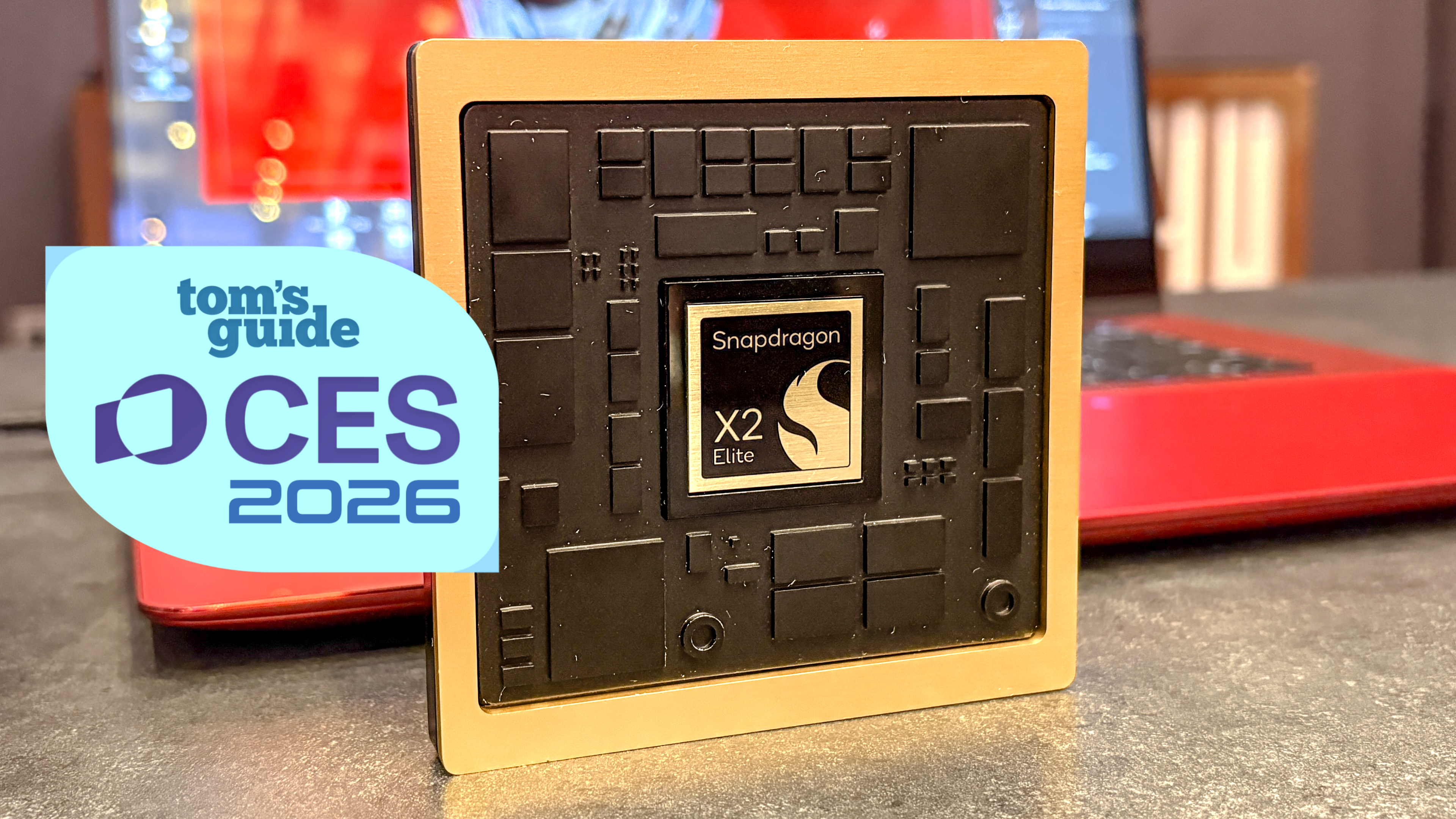
At CES 2026, Qualcomm showcased the Snapdragon X2 series, consisting of high-end laptops chips — Snapdragon X2 Elite, X2 Elite Extreme — and a more mid-range Snapdragon X2 Plus. These chips employ a third-generation Oryon CPU architecture, prioritizing power efficiency and responsiveness akin to Apple silicon rather than raw brute force favored by Intel and AMD.
The Snapdragon X2 Plus is fabricated on a 3nm process, delivering up to 35% faster single-core performance while reducing power consumption by 43% compared to its predecessor. The larger Elite and Elite Extreme versions add more CPU cores and higher clock speeds, with the Elite Extreme capable of boost clocks near 5.0 GHz.
A key selling point across all three chips is their shared neural processing hardware, capable of performing 80 trillion operations per second, enabling advanced AI features such as real-time meeting transcription and file summarization directly on device without cloud dependency — features commonly expected from MacBooks but rare on Windows machines.
Early Snapdragon X2 laptops and industry reception
Lenovo’s Yoga Slim 7x models will be among the first Snapdragon X2-powered laptops, alongside upcoming devices from HP and Asus, with Asus’s flagship Zenbook equipped with the top-tier Qualcomm chip. Shipping of Snapdragon X2 Plus laptops is expected in the first half of 2026, targeting price points competitive with or below the MacBook Air.
Hands-on demos at CES revealed Snapdragon X2 laptops running creative software smoothly, quietly, and with promising battery longevity. While application compatibility on Windows ARM systems still lags compared to x86 machines, Qualcomm is collaborating with Adobe to improve native app support. This progress brings Snapdragon-powered Windows laptops closer to competing with Apple’s offerings, though replacing a MacBook remains an open question pending further real-world testing.
Conclusion
Qualcomm’s recent promotional efforts have stirred conversations about the future of Snapdragon-powered desktops, but current evidence points more towards mini PCs rather than traditional desktop systems. Meanwhile, the company aggressively pushes forward with advanced smartphone and laptop chipsets, even as competing chipset makers like MediaTek provide more affordable alternatives. Qualcomm’s Snapdragon X2 laptop chips demonstrate notable advancements in efficiency and AI capabilities, signaling a more competitive Windows ARM laptop market on the horizon. MediaTek’s repackaged Dimensity chipsets provide pragmatic options for budget-conscious manufacturers navigating rising component costs. Together these developments reflect a dynamic and rapidly evolving semiconductor landscape competing to shape the next generation of mobile and PC computing devices.
Questions and answers
Q: Qualcomm Snapdragon X Series desktop features
A: The Qualcomm Snapdragon X Series desktop processors focus on providing high efficiency and integrated 5G connectivity, leveraging ARM-based architecture for low power consumption. These processors enable always-on, connected experiences with features like AI acceleration, multi-gigabit 5G, and integrated graphics suitable for productivity and casual gaming. The X Series aims to deliver fanless designs and long battery life in desktop and mini PC setups, offering a balance between performance and mobile connectivity.
Q: Difference between Snapdragon mini PCs and desktops
A: Snapdragon mini PCs and desktops primarily differ in size, power, and use cases. Mini PCs are compact, energy-efficient devices powered by Snapdragon processors designed for portability and quiet operation, often used for media consumption or light productivity. Desktops typically have more powerful Snapdragon chips, higher thermal design power (TDP), and enhanced graphics, targeting heavier workloads and multitasking, though still emphasizing connectivity and efficiency compared to traditional x86 desktops.
Q: Latest Qualcomm and MediaTek 2nm chipsets
A: Both Qualcomm and MediaTek are advancing toward 2nm semiconductor technology to improve power efficiency and performance. Qualcomm's latest chipsets under development promise enhanced AI capabilities, faster 5G speeds, and graphics improvements. MediaTek's upcoming 2nm chipsets also focus on maximizing battery life and processing power for smartphones and laptops, competing to deliver better thermal management and enhanced multimedia experiences. These advances mark significant progress in mobile and computing technology.
Q: Snapdragon X2 laptop chip performance
A: The Snapdragon X2 laptop chip delivers improved CPU and GPU performance over its predecessors, focusing on enhancing mobile computing with better power efficiency and sustained performance. It features advanced AI processing capabilities and supports integrated 5G connectivity, making it ideal for thin-and-light laptops that require always-on internet and long battery life. While it may not match high-end x86 processors in raw power, the Snapdragon X2 balances performance with mobility for everyday tasks and moderate multitasking.
Q: MediaTek Dimensity 9500 vs Qualcomm Snapdragon 8 Elite
A: The MediaTek Dimensity 9500 and Qualcomm Snapdragon 8 Elite are high-performance smartphone chipsets targeting flagship devices. The Snapdragon 8 Elite typically offers superior CPU and GPU performance with enhanced AI acceleration and better support for camera and multimedia features. The Dimensity 9500 excels in energy efficiency and competitive multitasking abilities, often at a lower cost. Both chipsets support advanced 5G connectivity and high-refresh-rate displays, with the choice depending on priorities like performance, power consumption, and device integration.
Key Entities
Qualcomm: Qualcomm is a leading semiconductor and telecommunications equipment company known for developing Snapdragon processors widely used in mobile devices. The article discusses Qualcomm's position and innovations in the competitive smartphone chipset market.
MediaTek: MediaTek is a Taiwanese semiconductor company specializing in system-on-chip solutions for smartphones and consumer electronics. It competes with Qualcomm by providing cost-effective, high-performance chipsets featured in various mobile devices.
Apple: Apple is an American technology company renowned for designing iPhones, iPads, and Mac computers, integrating its own custom-designed processors. The article highlights Apple's strategy in chip design impacting the mobile industry landscape.
Lenovo: Lenovo is a multinational technology company known primarily for its PCs and smartphones, focusing on both consumer and business markets. The article references Lenovo's hardware offerings as part of the broader discussion on mobile technology competition.
Asus: Asus is a Taiwanese computer and phone manufacturer recognized for its gaming laptops and smartphones. The article mentions Asus in the context of innovative mobile hardware competing in global markets.
External articles
- List of Qualcomm Snapdragon systems on chips
- Laptops, Desktop PCs & Tablets | Snapdragon
- Accelerating the future of desktop PCs | Snapdragon X Series
Articles in same category
- Orca Hunting, Universe Expansion, and Ovoviviparous Amphibians Insights
- Southern Italy vs Eastern Europe for Expats: Taxes, Cost, Climate & Lifestyle
- Privacy Issues and Risks of Meta Ray-Ban Smart Glasses in Sensitive Settings
YouTube Video
Title: BEST Snapdragon X Elite Windows Laptop on the Market?!
URL: https://www.youtube.com/shorts/3DDO8nGhy5o
Technology