


Padel: The Fastest Growing Sport Redefining Fitness and Social Play in 2026
Padel is fast becoming a global phenomenon in 2026, blending elements of tennis and squash to offer an exhilarating yet accessible sport.
With smaller courts enclosed by glass walls, gameplay is continuous and strategic, appealing to both newcomers and seasoned players.
Beyond fitness, padel fosters camaraderie and a sense of belonging, making it a perfect fit for holistic wellness.
Rapidly spreading worldwide, it invites people of all ages to embrace active, joyful living through this dynamic, social sport.
Read more:
perplexity.aiSummary
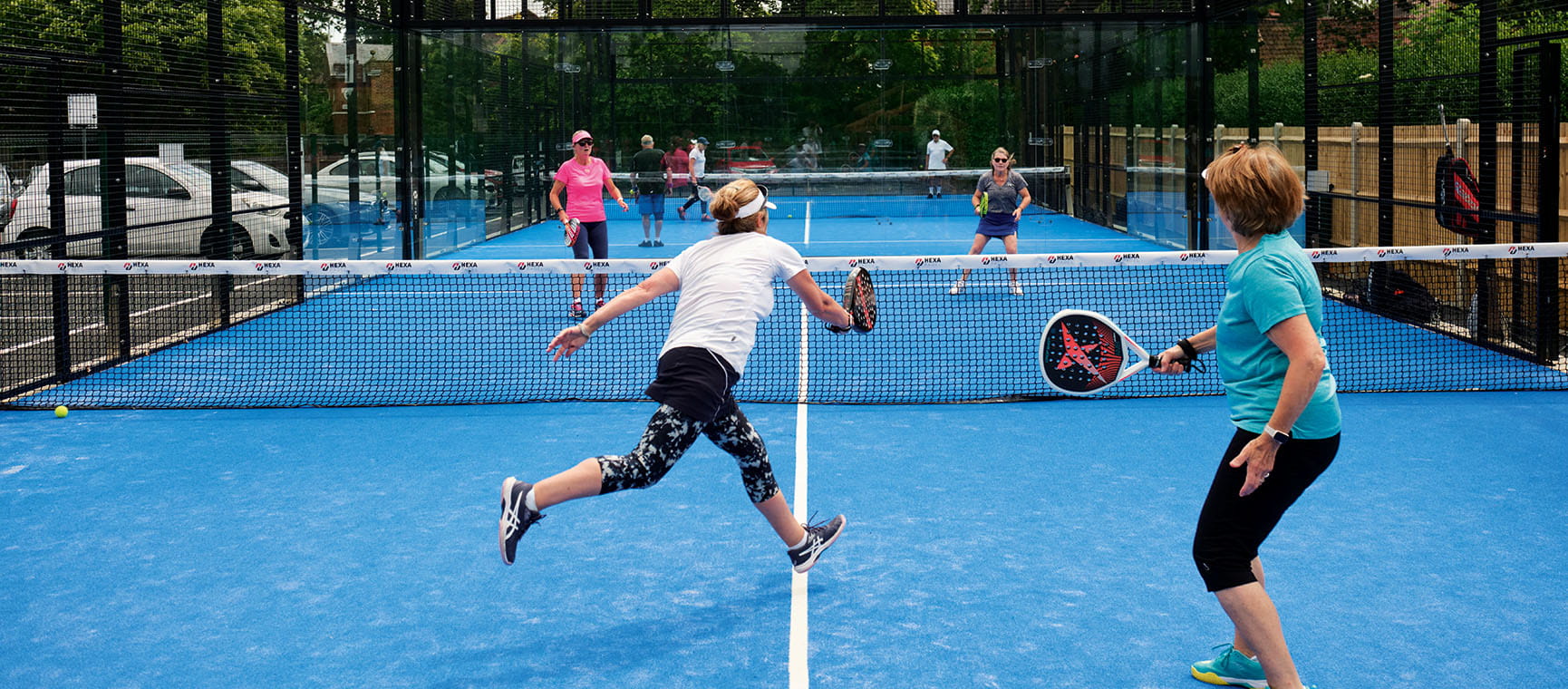
Padel: The New Sport Sweeping the Globe in 2026
*From tennis courts to social hubs, padel is redefining the way we move and connect.*
If you haven’t yet heard of padel, it might be time to make room for this sensational sport that’s fast becoming a global phenomenon. Blending elements of tennis and squash, padel offers an exhilarating yet accessible experience that’s capturing hearts everywhere—from city parks to upscale country clubs. In 2026, experts are spotlighting padel as one of the world’s fastest-growing sports, and it’s clear why.
What makes padel so magnetic is its blend of simplicity and social ease. Unlike tennis, the courts are smaller and enclosed by glass walls, allowing for continuous, dynamic gameplay that’s as much about strategy as it is about agility. The rules are easy to grasp, making it approachable for newcomers, while the rallies promise nonstop action to satisfy seasoned players. This balance has turned padel courts into buzzing hubs where fitness meets friendship.
But padel’s appeal goes beyond just the physical workout. In an era where wellness increasingly means blending mental, social, and emotional health, padel’s communal vibe is a perfect fit. The sport encourages camaraderie, teamwork, and a sense of belonging—key ingredients for a lifestyle that’s about more than just exercise, but holistic vitality. It’s no surprise to see courts spreading rapidly worldwide, from Europe to the Americas, enticing people of all ages to grab a paddle and play.
For those plotting a wellness-forward 2026, incorporating padel could be a game-changer. It’s not just about breaking a sweat; it’s about embracing a growing culture of active, joyful living. Whether you seek a fun way to stay fit, a new social outlet, or simply a fresh challenge, padel offers all this wrapped up in a surge of forward momentum.
So, next time you pass by a padel court, don’t just walk on by. Step inside, and you might find yourself part of the sport that’s quietly but surely transforming how the world plays.
Questions and answers
Q: What is padel sport
A: Padel is a racquet sport typically played in doubles on an enclosed court slightly smaller than a tennis court. It combines elements of tennis and squash, played with solid paddles and a low-compression tennis ball. The walls surrounding the court are used strategically to bounce the ball during play, making the game fast-paced and dynamic.
Q: Padel sport benefits
A: Playing padel offers several health benefits including improved cardiovascular fitness, agility, and coordination. It's a social sport that encourages teamwork and communication, making it enjoyable and engaging. Additionally, padel's moderate intensity makes it accessible to people of various ages and fitness levels, promoting overall well-being.
Q: How to play padel
A: Padel is played in doubles on a court enclosed by glass and mesh walls. Players use solid paddles to hit the ball over the net, aiming to score points by making shots the opponents cannot return. The ball can bounce off walls after it hits the ground, adding a strategic element to the game. Matches are usually played in sets, similar to tennis scoring.
Q: Padel vs tennis
A: Padel differs from tennis primarily in court size, equipment, and gameplay. Padel courts are smaller and enclosed with walls, allowing shots to bounce off them, while tennis courts are larger with open boundaries. Padel uses solid paddles without strings, whereas tennis uses strung racquets. The pace of padel is generally faster with a greater emphasis on strategy and volleys due to the wall usage.
Q: Padel popularity 2026
A: Padel is expected to continue growing in popularity by 2026, driven by its accessibility and social nature. Many countries in Europe and Latin America have seen significant increases in padel players and facilities. This upward trend is supported by increased media coverage and investment in sports infrastructure, positioning padel as one of the fastest-growing racket sports globally.
External articles
- Padel is growing in the U.S as investment booms. Is its ...
- The Rise of Padel - The Fastest Growing Sport in the World.
- Padel Surge in the U.S.: Courts, Players & Growth
Articles in same category
- Seth Rollins Injury Confirmed, Title Stripped on WWE RAW – Road to WrestleMania 2026
- Bangladesh Targets Series Win in 2nd ODI vs West Indies After Strong First Match
- Dan Campbell Denies Report of Opponents Targeting Aidan Hutchinson’s Legs in 2025 NFL Season
YouTube Video
Title: Repitition #padel #tennis #athleteexercise #shots #sports #2026
URL: https://www.youtube.com/shorts/V96S4RyEBAY
Sports