

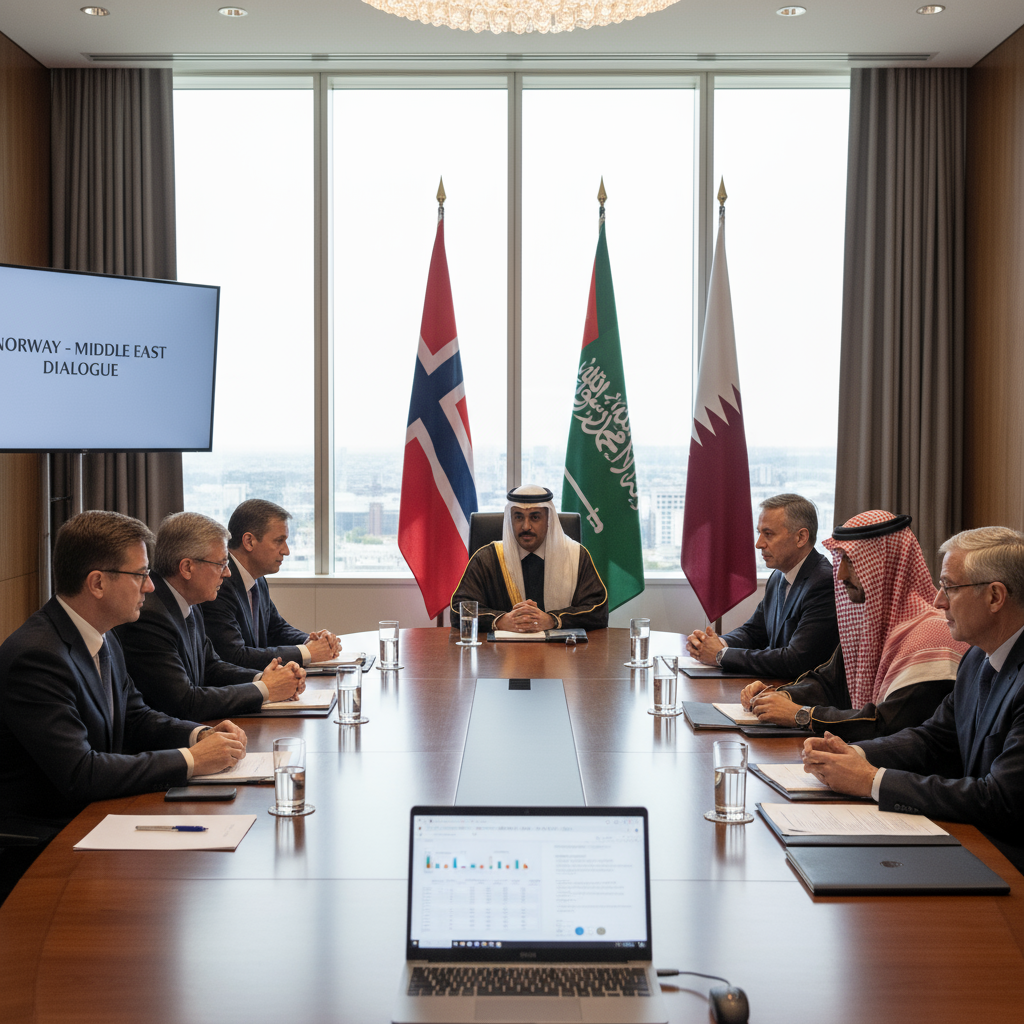
Norway's Role in Middle East Peace Negotiations and the Israel-Hamas Ceasefire
Norway has once again taken an active role in Middle East peace negotiations, focusing on the recent Israel-Hamas ceasefire and broader peace plans. Building on its historic mediation efforts, including the Oslo Accords, Norway continues to offer a neutral and confidential platform for dialogue between Israeli and Palestinian leaders. While the ceasefire brings cautious optimism, challenges such as enforcement, mistrust, and ongoing disputes persist. Humanitarian aid remains vital for immediate relief and long-term peace-building, addressing core issues like territory, refugees, and security. Norway’s diplomatic engagement and support exemplify a committed path toward lasting peace, though the journey remains complex and uncertain.
Norway's Role in Middle East Peace Negotiations: A Path to Lasting Peace?
In recent developments, Norwegian leaders have once again stepped into the complex arena of Middle East peace negotiations, bringing a renewed focus on the Israel-Hamas ceasefire and broader peace plans. This involvement highlights the intricate dance of diplomacy, humanitarian aid, and the persistent challenges in the Israel-Palestine conflict.
Key Takeaways: - Norwegian leaders are actively participating in Middle East peace talks, leveraging their historical role in mediation. - The recent ceasefire between Israel and Hamas presents both challenges and optimism for a lasting peace agreement. - Continued humanitarian aid remains crucial, alongside efforts to address the underlying issues of the Israel-Palestine conflict.
Norwegian Leaders in Middle East Peace Negotiations
Norway has a storied history in the realm of international peace mediation, particularly in the Middle East. The Oslo Accords, a landmark in peace negotiations, were facilitated by Norway, establishing its reputation as a neutral and effective mediator. Today, Norwegian parliament members and diplomats are once again at the forefront, participating in discussions that aim to navigate the turbulent waters of the Israel-Palestine conflict.
Norway's Diplomatic Strategy
Norway's approach to peace negotiations is characterized by its commitment to neutrality, confidentiality, and long-term engagement. By providing a platform for secret talks, Norway helps to create an environment where both Israeli and Palestinian leaders can discuss contentious issues without the immediate pressure of public scrutiny. This strategy has been pivotal in past agreements and is now being applied to the current ceasefire and peace plan discussions.
Building on Past Successes
The involvement of the Norwegian Parliament in these negotiations isn't merely symbolic. Norway's financial and diplomatic support has been instrumental in past peace processes. By hosting talks and funding peace-building initiatives, Norway continues to play a crucial role in fostering dialogue between conflicting parties.
The Israel-Hamas Ceasefire: Challenges and Optimism
The recent ceasefire between Israel and Hamas, brokered after intense conflict, is a fragile yet hopeful step towards peace. This ceasefire brings to light several challenges and a cautious optimism for a broader peace agreement.
Challenges to Sustaining Peace
One of the primary challenges is the enforcement of ceasefire terms. Both sides have a history of violations, often leading to renewed hostilities. Additionally, trust-building is a monumental task, with decades of conflict creating deep-seated mistrust. Issues like settlement expansion in the West Bank and the blockade of Gaza continue to be flashpoints that could derail peace efforts.
Sources of Optimism
Despite these challenges, there is optimism rooted in historical precedents where temporary peace has led to more extended negotiations. The involvement of international actors like Egypt, which has often played a mediator role, alongside Norway, adds layers of diplomatic pressure and support. Moreover, the global community's fatigue with the cycle of violence pushes for innovative solutions, including economic incentives for peace.
The Role of Humanitarian Aid and Addressing the Conflict's Core
Humanitarian aid plays a dual role in this conflict: it provides immediate relief to those suffering from the conflict's consequences and supports long-term peace-building efforts.
Immediate Humanitarian Needs
In Gaza and the West Bank, the need for humanitarian aid is acute. Recent conflicts have left infrastructure damaged, with shortages in food, water, and medical supplies. International aid organizations, supported by countries like Norway, have been pivotal in delivering these necessities, ensuring that the civilian population can survive the immediate aftermath of conflict.
Long-term Peace Building
Beyond immediate aid, addressing the core issues of the Israel-Palestine conflict is crucial for lasting peace. This involves complex negotiations over land, the status of Jerusalem, the right of return for Palestinian refugees, and security arrangements. The involvement of the Palestinian leadership, divided between the Palestinian Authority and Hamas, complicates these discussions but also offers a chance for internal reconciliation as part of the peace process.
Environmental Considerations
While not directly a focal point, the environmental impact of the conflict, including the destruction of natural resources, should be considered in peace agreements. Sustainable development and environmental protection could be part of future peace plans, ensuring that the land can support its inhabitants post-conflict.
Conclusion
Norway's active participation in Middle East peace negotiations, the nuanced challenges and optimism surrounding the Israel-Hamas ceasefire, and the critical role of humanitarian aid in addressing both immediate and long-term needs are all pivotal in the quest for peace. As these efforts continue, the global community watches with hope, understanding that the path to peace in the Middle East is long and fraught with challenges, but not impossible. Through diplomatic engagement, sustained aid, and addressing root causes, there lies a potential for a peaceful resolution that respects the rights and aspirations of all parties involved.

Frequently Asked Questions
Q: Norwegian peace efforts in Middle East
A: Norway has played a significant role in promoting peace in the Middle East, most notably through its facilitation of the Oslo Accords in the early 1990s. These secret negotiations between Israel and the Palestine Liberation Organization (PLO) led to mutual recognition and set a framework for future peace talks. Norway continues to support dialogue and development projects aimed at fostering stability and reconciliation in the region, often acting as a mediator due to its reputation for neutrality and diplomatic engagement.
Q: Israel Hamas peace agreement 2026
A: As of mid-2024, there is no confirmed peace agreement between Israel and Hamas scheduled for 2026. The conflict between Israel and Hamas has been ongoing for many years, with intermittent ceasefires but no lasting peace treaty. Efforts by international mediators to negotiate peace continue, but any future agreements remain uncertain and heavily dependent on political developments in the region.
Q: role of Norway in Israel Palestine conflict
A: Norway has played a significant diplomatic role in the Israel-Palestine conflict, most notably as a facilitator in the Oslo Accords of the early 1990s, which were the first direct agreements between Israel and the Palestine Liberation Organization (PLO). These accords aimed to achieve a peace process and establish a framework for resolving the conflict. Norway continues to support dialogue and peace efforts, promoting humanitarian aid and cooperation to improve conditions for Palestinians while encouraging negotiations between the parties.
Q: details of Trump Middle East peace plan
A: The Trump Middle East peace plan, officially called the "Peace to Prosperity" plan, was unveiled in January 2020. It aimed to resolve the Israeli-Palestinian conflict by proposing a two-state solution with a secure Israel and a demilitarized Palestinian state. The plan allowed Israel to annex parts of the West Bank and offered Palestinians conditional economic aid and development incentives, but criticized for heavily favoring Israeli positions. It was rejected by Palestinian leaders and had mixed international reactions.
Q: current situation in Gaza and West Bank
A: The situation in Gaza and the West Bank remains tense and volatile, marked by ongoing political conflict, security challenges, and humanitarian concerns. Gaza continues to face economic hardships and restrictions due to blockades, while intermittent violence and clashes occasionally erupt. In the West Bank, tensions persist over Israeli settlements, military operations, and protests. Efforts toward peace remain stalled, with periodic escalations affecting civilian populations on both sides.
Key Entities
Jonas Gahr Støre: Jonas Gahr Støre is the Prime Minister of Norway, leading the Labour Party. He has been actively involved in addressing Norway's response to international conflicts and security issues.
Espen Barth Eide: Espen Barth Eide is Norway's Minister of Foreign Affairs, responsible for the country’s international diplomatic relations. He plays a key role in Norway's policies regarding Middle East diplomacy and humanitarian aid.
Donald Trump: Donald Trump is the former President of the United States, known for his unconventional approach to politics. His administration had a significant impact on U.S. foreign policy in the Middle East, including the Israeli-Palestinian conflict.
Hamas: Hamas is a Palestinian Islamist political and militant organization governing the Gaza Strip. It has been involved in ongoing conflicts with Israel and is considered a terrorist organization by several countries.
Egypt: Egypt is a key regional power in the Middle East and North Africa, often acting as a mediator in Israeli-Palestinian conflicts. The country shares a border with Gaza and plays a crucial role in humanitarian and security efforts in the region.
External articles
- Norway: From Mediator to Persecutor of Israel
- Oslo Accords
- General Assembly Adopts Three Resolutions to Advance ...
Related Articles
- Kristian Berg Harpviken Named Director of Norwegian Nobel Institute: Shaping the Future of the Nobel Peace Prize
- The Norwegian Parliament Opens with Royal Tradition Amid Political Shifts Following 2025 Election
- Norwegian Government Cancels Stad Ship Tunnel Project Amid Rising Costs
YouTube Video
Title: Trump departs to Israel and Egypt to sign the historic Peace Agreement ending the war in Gaza 🇺🇸
URL: https://www.youtube.com/shorts/p_Pa-Jr5KBc
News