


Norway’s 2026 State Budget Reveals Deep Divisions Over Oil and Gas Policy
Norway’s 2026 state budget talks reveal deep political divisions over the country’s oil and gas policy.
Environmental parties want a phase-out of oil production by 2040 to meet climate goals, while government and industry stress economic risks of a rapid exit.
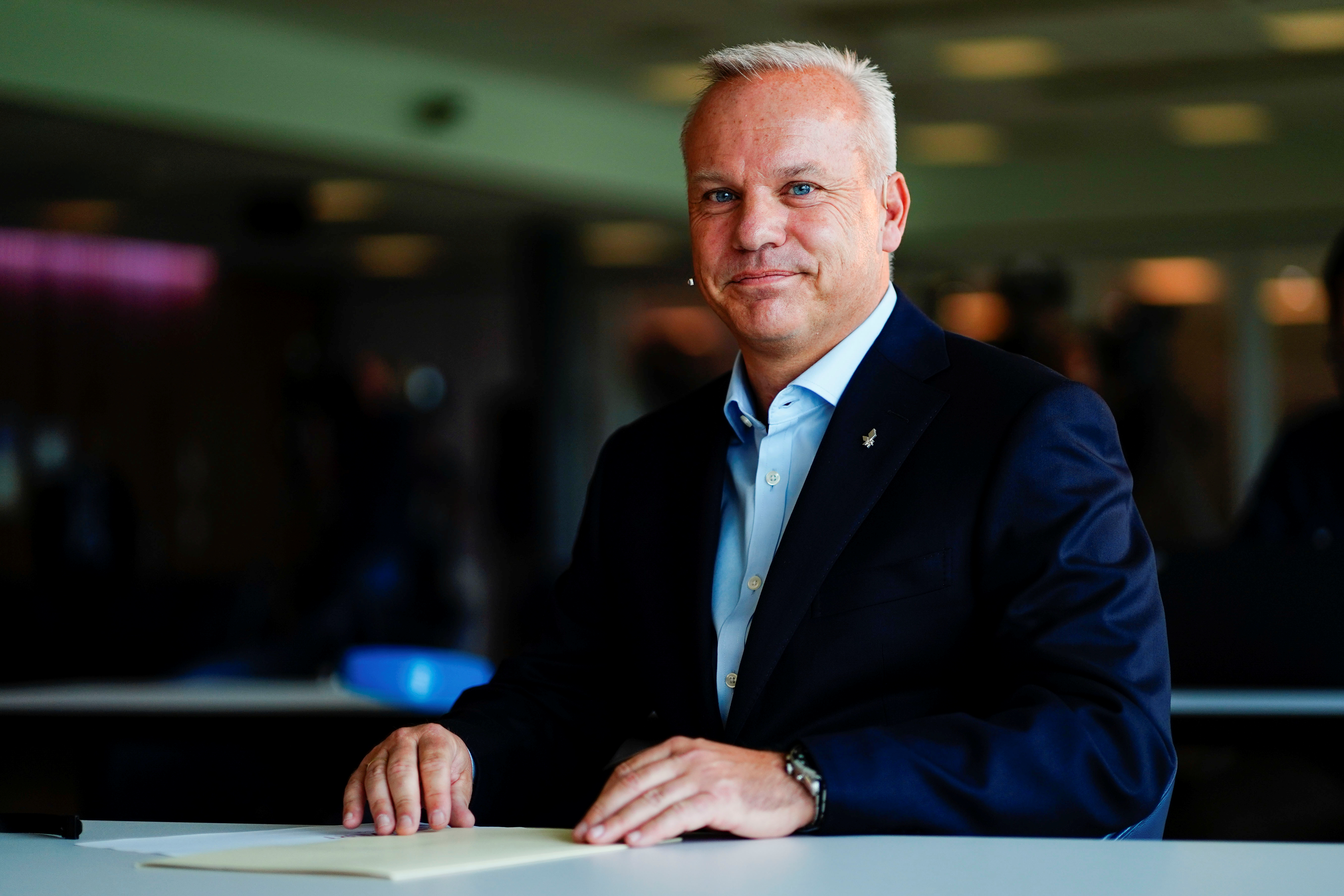
Equinor’s CEO Anders Opedal opposes mixing oil policy with budget discussions, emphasizing the sector’s importance to Norway’s economy and welfare.
With petroleum revenues critical to public finances and the sovereign wealth fund, the debate underscores tensions between climate commitments and energy security.
Frequently Asked Questions
Q: Impact of budget negotiations on Norway's oil industry
A: Budget negotiations in Norway can significantly influence the country's oil industry, primarily through decisions on taxation, environmental regulations, and investment incentives. Changes in fiscal policies may affect the profitability and operational strategies of oil companies, potentially encouraging or discouraging new exploration and production activities. Additionally, government spending priorities determined through budget talks can impact infrastructure development and research funding related to the oil sector. Overall, these negotiations shape the economic environment within which Norway's oil industry operates, balancing economic growth with sustainability goals.
Q: Equinor CEO Anders Opedal views on climate and oil policy
A: Anders Opedal, CEO of Equinor, emphasizes the need for a balanced approach to climate and oil policy. He supports continued investment in oil and gas production as essential for energy security and economic development, while also advocating for accelerated efforts in renewable energy and carbon reduction technologies. Opedal believes that the transition to a low-carbon future should be pragmatic, maintaining the role of oil and gas as part of the energy mix during the shift towards sustainability.
Q: Norway oil and gas policy changes 2024
A: In 2024, Norway has introduced several changes to its oil and gas policies aimed at balancing energy production with environmental goals. The government is focusing on stricter regulations to reduce carbon emissions while continuing to support petroleum exploration and production as a key economic sector. There is also an increased emphasis on developing renewable energy sources alongside traditional oil and gas activities. These policy adjustments reflect Norway's commitment to the Paris Agreement and its ambition to transition toward a more sustainable energy future.
Q: Equinor energy transition plan details
A: Equinor's energy transition plan focuses on shifting from traditional oil and gas production towards renewable energy sources and carbon-neutral solutions. The company aims to significantly reduce its net carbon intensity by 2030 and achieve net-zero emissions by 2050. Key initiatives include expanding offshore wind projects, developing carbon capture and storage (CCS) technologies, and investing in low-carbon solutions like hydrogen. Equinor also emphasizes innovation, operational efficiency, and partnerships to support a sustainable energy future.
Q: Effect of political parties on Norway's oil sector
A: Political parties in Norway play a significant role in shaping the country's oil sector policies. Left-leaning parties generally emphasize environmental concerns and advocate for stricter regulations and a gradual transition to renewable energy, which can lead to more cautious oil exploration and production. Conversely, conservative and center-right parties often support the development of the oil industry as a key economic driver, promoting investment and expansion while balancing environmental impacts. This political dynamic influences Norway's approach to managing oil resources, balancing economic benefits with environmental sustainability and long-term climate goals.
Key Entities
Anders Opedal: Anders Opedal is the CEO of Equinor, Norway's largest energy company. He has been leading the company through a period of increased focus on renewable energy and sustainability.
Equinor: Equinor is a Norwegian multinational energy company primarily focused on oil, gas, and renewables. It is one of the largest producers of oil and gas in Norway and is undergoing a transition towards greener energy solutions.
Norway: Norway is a Nordic country known for its significant oil and gas reserves in the North Sea. The country is also a leader in renewable energy and environmental policies, balancing fossil fuel production with sustainability goals.
Greens Party (MDG): The Greens Party (Miljøpartiet De Grønne) is a Norwegian political party focused on environmental issues and reducing fossil fuel dependency. They have been critical of increased oil exploration and advocate for a rapid transition to renewable energy.
Labour Party: The Labour Party (Arbeiderpartiet) is a major political party in Norway that supports a mixed economy and social democracy. It often balances support for Norway's oil industry with commitments to environmental regulations and climate targets.
External articles
- Norwegian oil giant Equinor cuts green investment in half
- Norway's Budget Deadlock Weighs on Energy Policy, Tests ...
- Equinor plans 250 oil and gas exploration wells in Norway ...
Articles in same category
- Georgia Man Arrested for Terroristic Threats to Shoot Up Hartsfield-Jackson Airport
- Norway’s Oil Fund Revises Ethical Investment Guidelines Amid Political Debate
- Kristian Berg Harpviken Named Director of Norwegian Nobel Institute: Shaping the Future of the Nobel Peace Prize
YouTube Video
Title: Combining oil, gas and renewables is right strategy, Equinor CEO says
Channel: CNBC International Live
URL: https://www.youtube.com/watch?v=vQZ4yk0yKcs
Published: 4 years ago
News