

Norse Autumn Blot and Winter Transition: Rituals, Primstav, and Cultural Syncretism
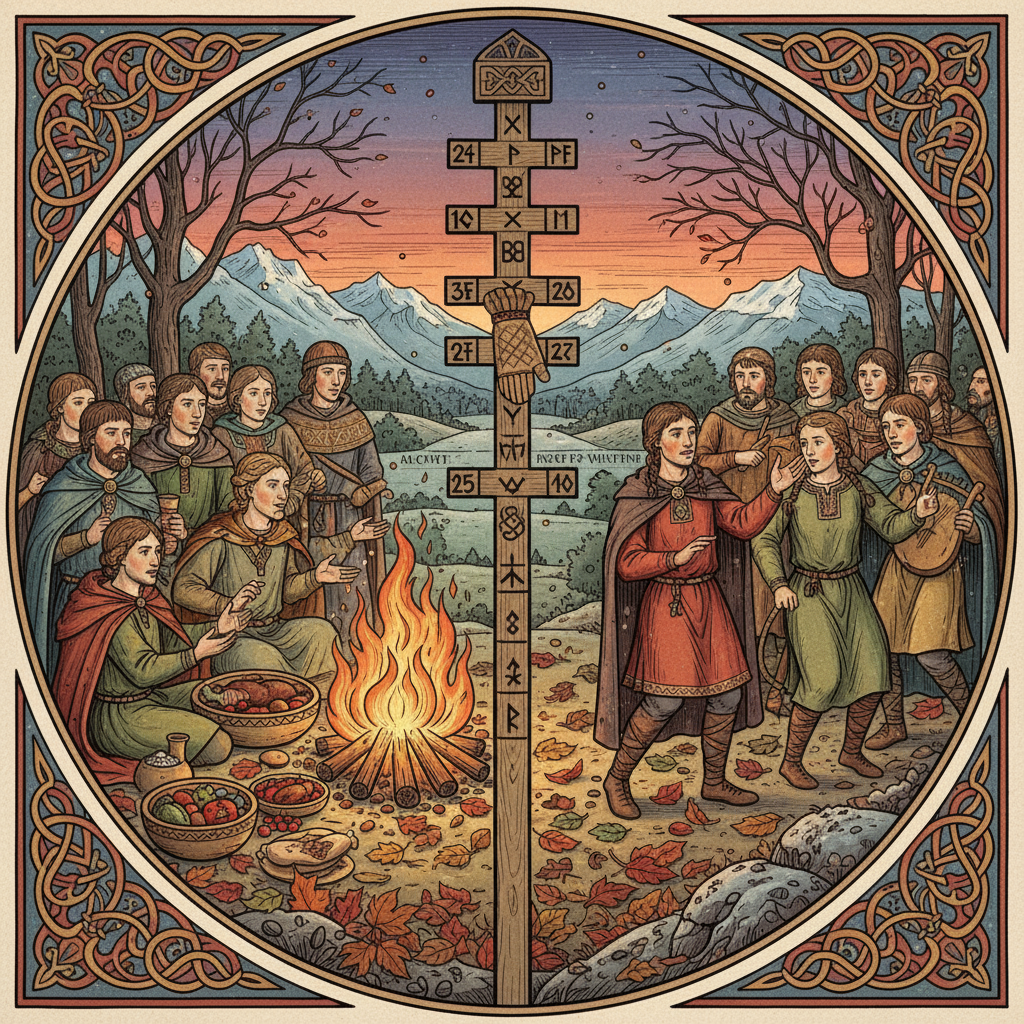
The Norse autumn blot was a vital harvest festival combining religious sacrifice, communal feasting, and preparation for the harsh Scandinavian winter. Marked on the primstav runic calendar by the mitten symbol on October 14, this event signaled the start of winter preparations such as gathering firewood and making warm clothing. As Christianity spread through Scandinavia, many Norse traditions blended with the new faith, preserving cultural elements like the winter night through syncretism. This fusion allowed the continuation of community values, respect for nature, and seasonal observances, highlighting the enduring legacy of Norse cultural practices.
Exploring the Norse Autumn Blot and the Transition to Winter: A Cultural Journey
In the rich tapestry of Norse culture, the autumn blot stands out as a pivotal event, deeply interwoven with the cycles of nature and the spiritual life of the community. This sacrificial feast, held in the fall, was not merely a religious observance but a significant social gathering that reinforced communal bonds and prepared the Norsemen for the harsh Scandinavian winters. The transition from autumn to winter was marked with precision on the primstav, a runic calendar, where the mitten symbol on October 14 signaled the onset of the colder season. As Christianity spread through Scandinavia, these ancient traditions began to blend with new religious practices, yet some elements, like the winter night, retained their cultural significance.
Key Takeaways: - The autumn blot was a crucial Norse ritual to honor gods and ensure prosperity, combining religious, social, and preparatory aspects for winter. - The primstav, with its mitten symbol, marked the start of winter, prompting communities to prepare for the cold season. - The integration of Christianity with Norse traditions led to a unique syncretism, preserving some aspects of the old while embracing the new.
---
The Significance of the Autumn Blot
The autumn blot, or blot, was a harvest festival in the Norse tradition, akin to a thanksgiving ceremony where the community expressed gratitude to the Norse gods for the bounty of the harvest. This ritual sacrifice was not just an act of devotion but a communal event that strengthened social ties. During this time, offerings were made which could include food, animals, or in extreme cases, humans, to deities like Odin, Thor, or Freyja, each representing different facets of life and nature.
Community and Ritual
The blot served multiple purposes beyond the spiritual. It was a time when the community came together, sharing in feasts that symbolized abundance and unity. Storytelling was a key component, where tales from Norse mythology were recounted, reinforcing cultural identity and values. This gathering was essential for maintaining harmony with the gods, ensuring not only a good harvest but also communal prosperity and protection through the winter night, the transition into the colder months.
Preparation for Winter
As the blot concluded, the focus shifted towards preparation for winter. The community would engage in activities like gathering firewood, storing food, and ensuring their homes were winter-ready. This preparation was crucial, as the harsh Scandinavian winters could be life-threatening, making the autumn blot a critical juncture in the agricultural and survival calendar.
The Primstav and the Mitten Symbol
The primstav, or runic calendar, was a vital tool in medieval Scandinavia, used to track important dates through runic inscriptions. On October 14, the calendar marked the transition into winter with a simple yet profound symbol: the mitten. This mitten on the primstav was a cultural signal for the community to start their winter preparations.
Symbolism and Practicality
The mitten symbol was not just a marker of time but carried deep cultural significance. It represented the need for warmth, the physical preparation for cold weather, and the communal effort in ensuring everyone was adequately equipped for the season. This practical aspect of the symbol highlighted how Norse life was intricately connected to natur (nature), with their rituals and symbols reflecting the seasonal cycles.
Winter Preparations
Following the mitten symbol's appearance, activities intensified. Families would mend or make new clothing, particularly warm garments like mittens, which were essential for survival. Livestock management also changed, with decisions made on which animals to keep through the winter and which to sacrifice during the blot. This preparation was a community effort, ensuring that no one was left vulnerable to the cold.
The Transition to Christianity and Cultural Syncretism
As the Viking Age waned, Christianity began to take root in Scandinavia, leading to a gradual replacement of many Norse rituals. However, this transition was not abrupt; it was a process of Cultural Integration where elements of Norse paganism were absorbed into Christian practices.
Blending of Traditions
The winter night, for instance, retained its significance even as Christianity spread. It became associated with All Saints' Eve, blending the old pagan reverence for the dead with Christian remembrance. This syncretism allowed for a smoother cultural transition, where traditional dates and symbols were repurposed, maintaining continuity in community practices.
Persistence of Norse Elements
Despite the shift to Christianity, some Norse traditions persisted in modified forms. The communal aspect of feasting, the importance of nature in daily life, and the storytelling tradition found new expressions in Christian festivals. This blending was not just about religious conversion but about preserving the cultural fabric of the Norse society.
Conclusion
The Norse autumn blot and the transition into winter, as marked by the primstav, offer a fascinating glimpse into how ancient communities lived in harmony with nature and each other. The integration of Christianity into Norse culture through syncretism illustrates a broader theme of cultural adaptation and continuity. While the specifics of these rituals might have changed, the underlying values of community, preparation, and respect for nature continue to resonate, reflecting the enduring legacy of Norse traditions.
Frequently Asked Questions
Q: What is the autumn blot?
A: The Autumn Blot is a traditional Norse pagan festival held to honor the ancestors and the spirits during the fall season. It is a time for giving thanks for the harvest, paying respect to the dead, and preparing for the coming winter months. Participants often hold feasts, offer sacrifices, and perform rituals to ensure protection and prosperity. This seasonal observance reflects ancient Nordic beliefs and is still celebrated in various forms by followers of Heathenry and Ásatrú today.
Q: Meaning of mitten on primstav
A: On a primstav, a traditional Norwegian calendar carved on wood, a mitten symbol often marks a significant day related to winter or cold weather. It can represent important seasonal changes, such as the start or end of winter, or specific dates for winter-related activities and traditions. The mitten symbol serves as a visual reminder tied to the agricultural and cultural calendar used historically in Norway.
Q: History of Norse sacrificial rituals
A: Norse sacrificial rituals, known as blóts, were central to the religious practices of the Viking Age and earlier Scandinavian societies. These ceremonies involved offerings, often including animals like horses, pigs, or cattle, and occasionally humans, to gods such as Odin, Thor, and Freyr to secure favor, protection, or fertile lands. These rituals took place in sacred groves, temples, or communal gathering sites and were intertwined with seasonal festivals and critical societal events. Much of what is known comes from sagas, archaeological findings, and later medieval sources, reflecting a blend of myth, historical practice, and cultural tradition.
Q: Significance of October 14 in runic calendar
A: October 14 in the runic calendar corresponds to the period celebrating the rune Hagalaz, which symbolizes disruption, transformation, and natural forces. This time is often associated with challenges that lead to growth and change, reflecting the rune's meaning of hail and unexpected events. It marks a phase where reflection on one's resistance to change and acceptance of life's cycles is encouraged in runic traditions.
Q: How did Norse gods differ from Christian God?
A: Norse gods were a pantheon of multiple deities, each with distinct personalities, roles, and limitations, often involved in human-like conflicts and possessing both strengths and weaknesses. In contrast, the Christian God is a singular, omnipotent, omniscient, and omnipresent being, embodying perfect goodness and unity. While Norse gods were mortal in some myths and subject to fate, the Christian God is eternal and unchanging. The Norse gods were deeply connected to the natural world and its cycles, whereas the Christian God is transcendent and the creator of all.
Key Entities
Jon Vidar Sigurdsson: Jon Vidar Sigurdsson is a scholar associated with the University of Oslo, known for his research in medieval history and archaeology. His work often explores Nordic cultural heritage and historical societies.
University of Oslo: The University of Oslo is Norway's largest and oldest university, renowned for its research and academic programs across various disciplines. It plays a significant role in advancing Norwegian higher education and cultural studies.
Freyr: Freyr is a Norse god associated with fertility, prosperity, and fair weather in Scandinavian mythology. He is often depicted as a symbol of peace and good harvests.
Audun Dybdahl: Audun Dybdahl is a Norwegian historian specializing in medieval history and cultural studies. He has contributed extensively to understanding Norway's historical development and heritage.
Kaare Hovind: Kaare Hovind is a researcher affiliated with the University of Oslo, focusing on archaeology and historical studies. His work includes investigations into Nordic and Viking Age cultures.
External articles
- Blót
- The autumn blot: Norse rituals and the runic calendar
- The Norse Wheel of the Year: Norse calendar & holidays
Related Articles
- Assessing Donald Trump's Prospects for the Nobel Peace Prize: Independence, Criteria, and Controversies
- Rising Interest in Norwegian Language and Culture Among Young Americans
- The Enduring Legacy of Norwegian Immigrants in the United States
YouTube Video
Title: Dísablót: A Norse Fall Festival
Channel: Jackson Crawford
URL: https://www.youtube.com/watch?v=OGWZGvpk-aw
Published: 7 years ago
Life