

Holocene Interglacial Climate Stability and Future Outlook Explained
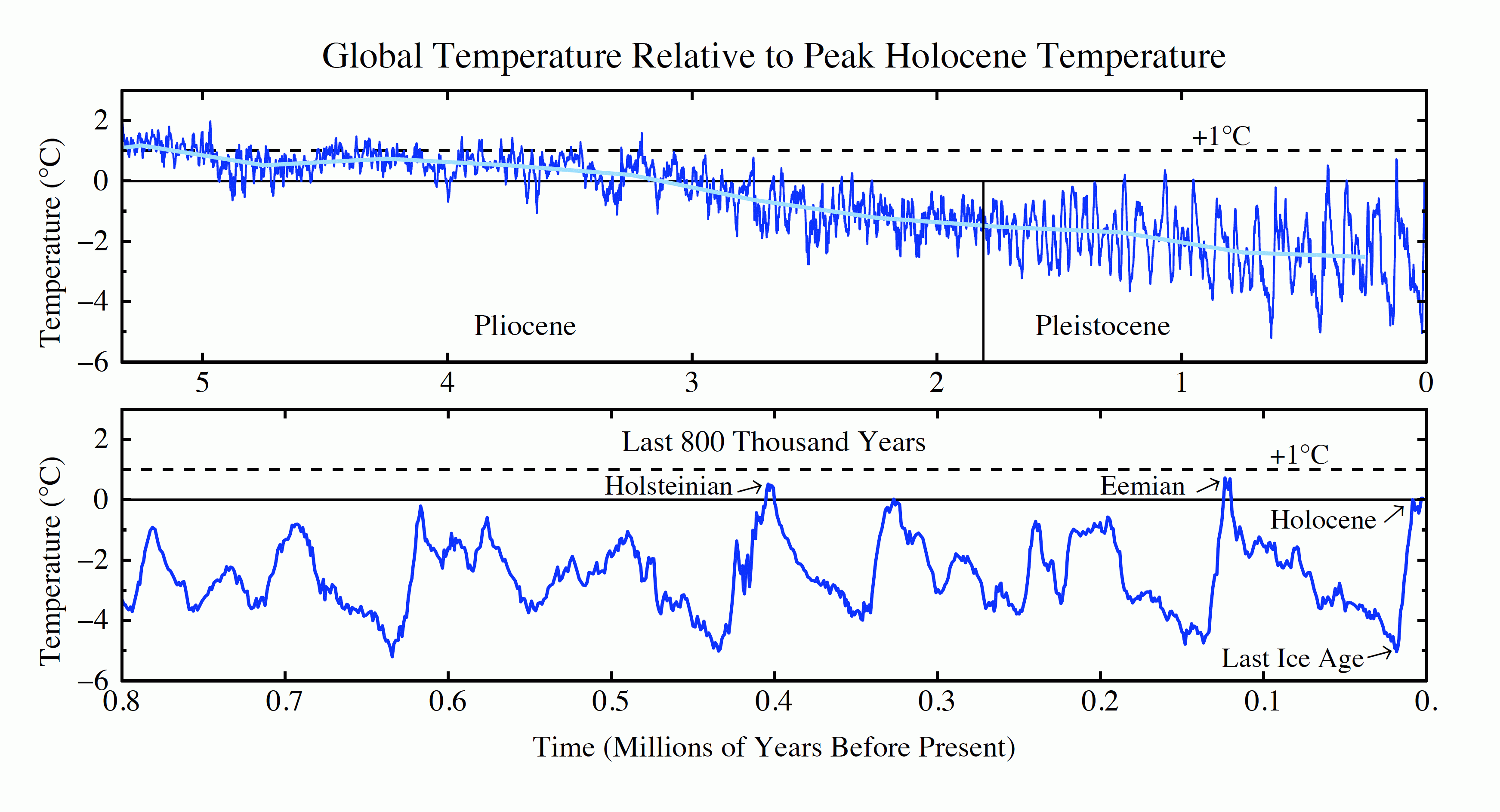
The Holocene interglacial period spans approximately the last 11,700 years and is marked by a relatively stable and warm climate.
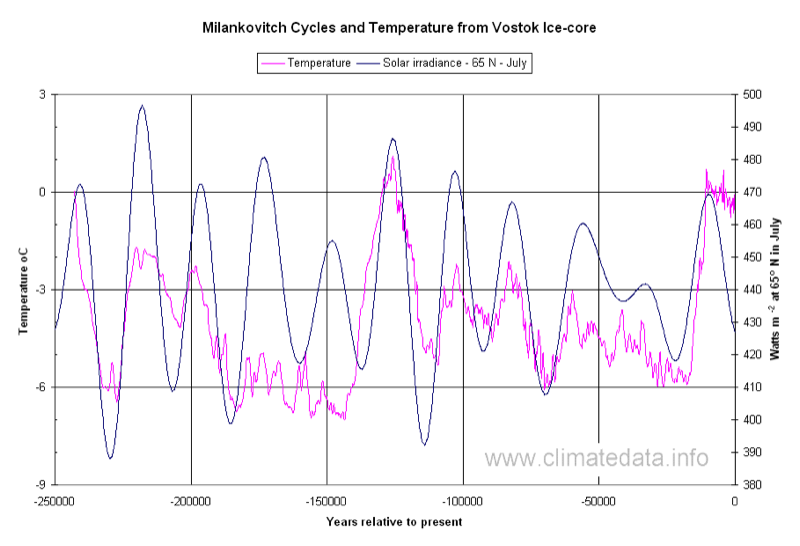
Governed largely by Milankovitch orbital forcing, interglacials typically last between 10,000 and 30,000 years.
The Holocene’s unusual duration is influenced by low eccentricity in Earth's orbit and has been significantly impacted by anthropogenic greenhouse gas emissions.
This human influence likely delays the next glaciation by tens to hundreds of thousands of years, overriding natural cooling trends.
Comparisons with past interglacials and paleoclimate data provide insights into current and future climate trajectories.
Frequently Asked Questions
Q: When will the next ice age come
A: The timing of the next ice age is uncertain, but natural climate cycles suggest it could occur in tens of thousands of years. Currently, Earth's climate is in an interglacial period, which typically lasts around 10,000 to 30,000 years between ice ages. However, human activities, particularly greenhouse gas emissions, are influencing global temperatures and may delay or disrupt the natural onset of the next ice age.
Q: How do Milankovitch cycles affect ice ages
A: Milankovitch cycles are long-term variations in Earth's orbit and tilt that influence the distribution and intensity of sunlight received by the planet. These cycles include changes in eccentricity (shape of Earth's orbit), axial tilt, and precession (wobble of Earth's axis). Together, they affect Earth's climate patterns and are believed to trigger the timing of ice ages by altering the balance between solar heating and cooling periods, leading to the advance or retreat of large ice sheets over thousands of years.
Q: Impact of greenhouse gases on next ice age
A: Greenhouse gases such as carbon dioxide and methane trap heat in the Earth's atmosphere, leading to global warming. This warming effect is expected to delay or possibly prevent the onset of the next ice age by keeping global temperatures higher than they would be under natural cycles alone. Historically, ice ages have been driven by changes in Earth's orbit and tilt, but increased greenhouse gas levels can override these natural cooling trends. Therefore, current elevated greenhouse gas concentrations are likely to significantly impact the timing and intensity of any future ice age.
Q: Duration of current interglacial period
A: The current interglacial period, known as the Holocene, began approximately 11,700 years ago following the last major ice age. It has lasted for nearly 12,000 years and is characterized by relatively stable and warm climate conditions that have allowed human civilizations to develop. While interglacial periods typically last between 10,000 and 30,000 years, the exact duration of the Holocene is still being studied and may be influenced by natural and human activities.
Q: Could human activity delay the next ice age
A: Yes, human activities, particularly the emission of greenhouse gases like carbon dioxide and methane, have the potential to delay the onset of the next ice age. These gases trap heat in the atmosphere, increasing global temperatures and altering natural climate cycles that typically lead to ice ages. Scientific studies suggest that without human influence, Earth might enter a new ice age thousands of years from now, but ongoing human-driven warming could postpone this natural cooling for tens of thousands of years. However, this delay comes with significant environmental consequences, including global warming and its associated impacts.
Key Entities
Norway: Norway is a Nordic country known for its fjords, rich natural resources, and high standards of living. It is home to important scientific institutions such as the University of Bergen and contributes significantly to research in climate and geosciences.
Jan Mangerud: Jan Mangerud is a Norwegian geologist and paleoclimatologist specializing in Quaternary geology and climate history. He is affiliated with the University of Bergen and recognized for his contributions to understanding glacial and interglacial periods.
Science Norway: Science Norway is an online platform that disseminates research news and scientific articles related to Norwegian research and innovation. The site covers a variety of disciplines and aims to connect scientists with the public and policymakers.
Andreas Born: Andreas Born is a geoscientist involved in climate and environmental research, associated with the University of Bergen. His work focuses on understanding past climate changes through geological records.
University of Bergen: The University of Bergen is a leading research institution in Norway, known for its strengths in marine research, climate science, and geosciences. It collaborates internationally and hosts prominent scientists such as Jan Mangerud and Andreas Born.
External articles
- Scientists match Earth's ice age cycles with orbital shifts
- Evidence - NASA Science
- Is today's climate change similar to the natural warming ...
Articles in same category
- Beaver Lodges and Ecosystem Engineering: Wildlife Interactions and Conservation Insights
- NASA Pushes Artemis II Lunar Mission Amid Government Shutdown and Leadership Controversy
- Orionid Meteor Shower 2025: Peak Viewing of Halley’s Comet Debris in October
YouTube Video
Title: The Mystery of the Last Ice Age | Elon Musk
URL: https://www.youtube.com/shorts/3Jn2R9VFtPE
Science