


Electric Vehicle Revolution in 2026: Tesla’s Bold Strategy and Global EV Growth
As the world accelerates into a sustainable future, 2026 emerges as a landmark year for electric vehicles, fueled by groundbreaking policies and industry shifts.
Germany, Sweden, Spain, and China lead with fresh incentives making EV ownership both eco-friendly and financially smart.
Tesla is rewriting the playbook, halting Model S and X production to focus on Cybertruck, Cybercab, and AI investments.
Their partnership to launch Semi truck charging stations signals a future of seamless long-haul electric transport.
The EV revolution is shifting from niche to necessity, driving a cleaner, smarter transportation era.
Read more:
perplexity.ai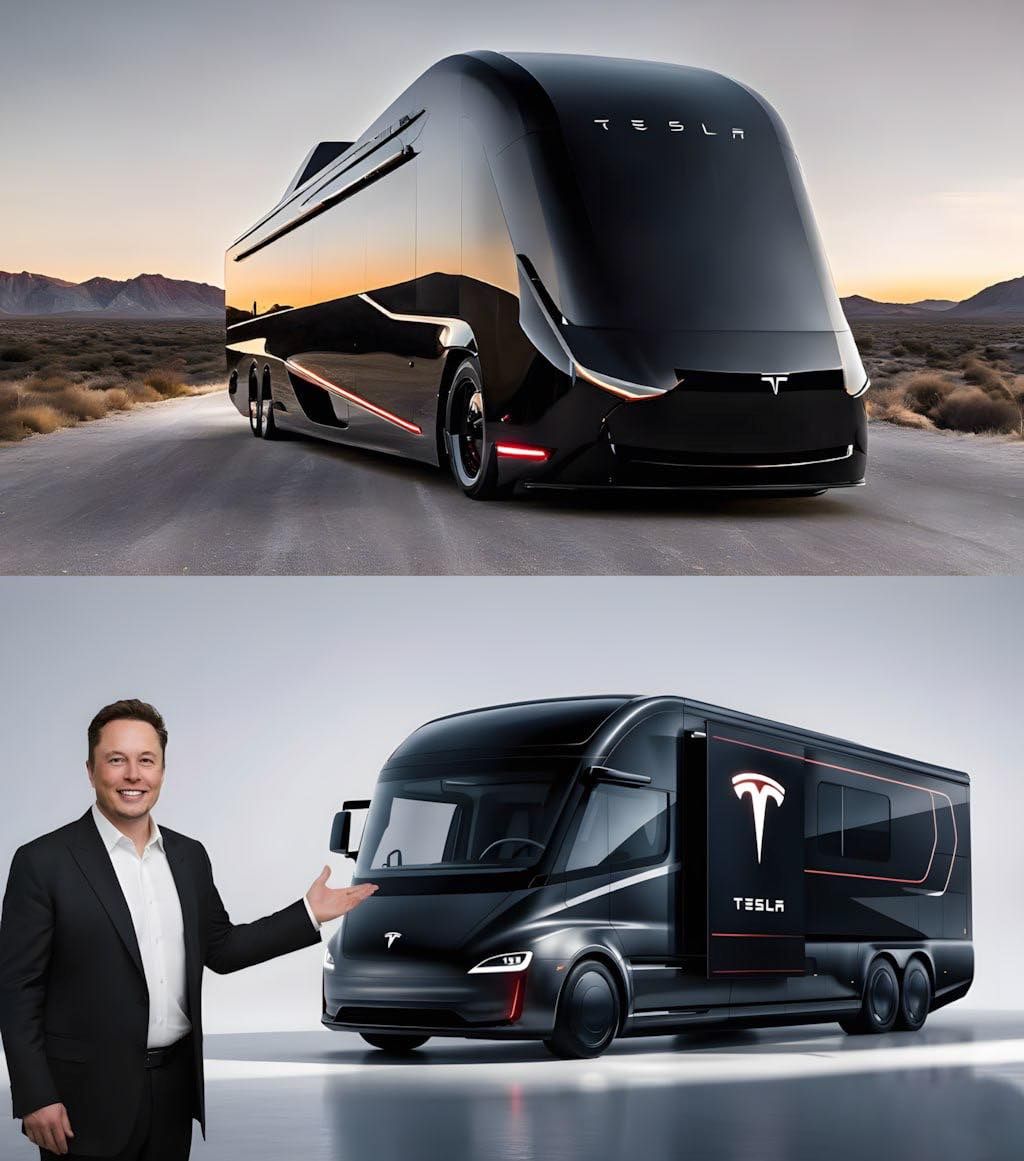
Driving Change: The Electric Vehicle Revolution and Tesla’s Bold Moves in 2026
As the world accelerates into a sustainable future, 2026 emerges as a landmark year for electric vehicles (EVs), fueled by groundbreaking policies and transformative industry shifts. From the streets of Germany to the highways of China, countries are revving up their ambitions, setting ambitious global EV targets while rolling out irresistible incentives to supercharge adoption. This surge is more than green ambition; it’s a reshaping of how we move through the world.
Germany, Sweden, Spain, and China are leading this charge, unveiling fresh incentives designed to make EV ownership not just an eco-friendly choice, but a smart financial move. These policies reflect a shared urgency to tackle climate change and reduce reliance on fossil fuels, signaling a bold new era for clean transport. Electric dreams are turning into everyday realities with governments paving the way for an electrified future.
Amid this whirlwind of change, Tesla is rewriting the playbook yet again. The iconic EV pioneer announced a strategic pivot during its Q4 2025 earnings call: halting production of its Model S and Model X sedans to focus on the Cybertruck, Cybercab, and advanced artificial intelligence investments. This shift underscores Tesla’s vision of futurism—not only transforming vehicles but reinventing entire ecosystems. The firm's partnership with Pilot Travel Centers to launch Semi truck charging stations early this year hints at a future where long-haul electric transport becomes seamless and widespread.
Tesla’s Semi deal is more than infrastructure—it’s a powerful symbol of the electric revolution extending beyond personal vehicles and into the logistics and freight industries, sectors once considered hard to electrify. The ripple effects could redefine supply chains, reduce emissions on a grand scale, and inspire a new generation of green technology innovation.
For consumers and investors alike, the stakes have never been higher. The convergence of global policy and pioneering industry moves propels the EV narrative from niche to necessity. It’s a testament to how swiftly technology and regulation can realign, crafting a world where sustainability drives the wheels of progress.
As 2026 unfolds, the onramp to electric mobility is bustling—a thrilling journey signaling that cleaner, smarter, and more connected transportation isn’t just a possibility; it’s our imminent reality. The question now is: how fast can we go?
Questions and answers
Q: Tesla 2026 electric vehicle strategy
A: Tesla's 2026 electric vehicle strategy focuses on expanding its lineup with more affordable EV models, enhancing battery technology for longer range and faster charging, and scaling production through new gigafactories globally. The company aims to lead in autonomous driving capabilities and integrate energy solutions alongside its vehicles. Additionally, Tesla is targeting growth in emerging markets while maintaining a strong presence in established ones.
Q: Countries with EV incentives 2026
A: In 2026, countries like the United States, Germany, China, Norway, and Canada continue to offer significant incentives for electric vehicle buyers. These incentives include tax credits, rebates, reduced registration fees, and access to carpool lanes. Governments are also supporting EV adoption through infrastructure investments, such as expanding charging networks and promoting cleaner transportation policies.
Q: Tesla Semi truck charging stations
A: Tesla Semi truck charging stations are planned to be integrated into Tesla's expanding Supercharger network with specialized high-capacity chargers designed for heavy-duty vehicles. These stations aim to provide fast, reliable charging to minimize downtime for commercial fleets. Tesla also plans to deploy Megachargers capable of delivering significantly higher power to meet the Semi's large battery demands efficiently.
Q: Electric vehicle industry trends 2026
A: In 2026, electric vehicle industry trends include widespread adoption of solid-state batteries, increased vehicle-to-grid integration, and advancements in autonomous driving technology. The market is seeing greater emphasis on sustainable materials and circular economy practices. Additionally, governments worldwide are enforcing stricter emissions regulations, driving automakers toward fully electric lineups and expanding charging infrastructure rapidly.
Q: How to buy a Tesla Cybertruck
A: To buy a Tesla Cybertruck, start by visiting Tesla's official website where you can place a reservation with a refundable deposit. After reservation, Tesla will notify you when your production slot is ready, and you'll be able to customize your vehicle and complete the purchase. Delivery timelines and pricing details are updated regularly, and Tesla also offers trade-in options and financing plans to facilitate the purchase.
Key Entities
Tesla: Tesla is an American electric vehicle and clean energy company known for its innovation in battery technology and autonomous driving. The company has expanded its manufacturing footprint globally, including significant operations in China and Germany.
Germany: Germany is a leading European economy with a strong automotive industry and is a key market for electric vehicle adoption. Tesla has established a major Gigafactory in Germany to serve the European market and boost local production.
China: China is the world’s largest market for electric vehicles, with substantial government support for clean energy technologies. Tesla operates a Gigafactory in Shanghai to produce vehicles for both domestic sales and export.
Sweden: Sweden is a Scandinavian country known for its innovative automotive and clean technology sectors. The country supports the adoption of electric vehicles through infrastructure development and environmental policies.
Spain: Spain is a Southern European nation with growing interest in electric vehicle infrastructure and sustainable transport initiatives. Efforts are underway to expand charging networks and promote green energy across the country.
Pilot Travel Centers: Pilot Travel Centers is a leading operator of truck stops and convenience stores in the United States. It provides essential services and amenities for long-haul truck drivers, including fueling and electric vehicle charging stations.
External articles
- Dedicated EV Fleet Accelerator Program with Tesla
- Uber Freight kicks off Deliver 2025 with Tesla EV truck ...
- Uber Freight, Tesla team up to offer subsidies on electric ...
Articles in same category
- Tesla Model S and X Updates Launch in Europe
- Toyota Land Cruiser FJ: Compact Off-Roader Launching in Japan Mid-2026
- Mercedes-Benz Electric GLC SUV: Range, Price & Features
YouTube Video
Title: Cybertruck owners are Going INSANE! 😭
URL: https://www.youtube.com/shorts/IPemUSYMrFI
Cars and bikes