

Economic and Social Impact of U.S. Immigration Policy Reform
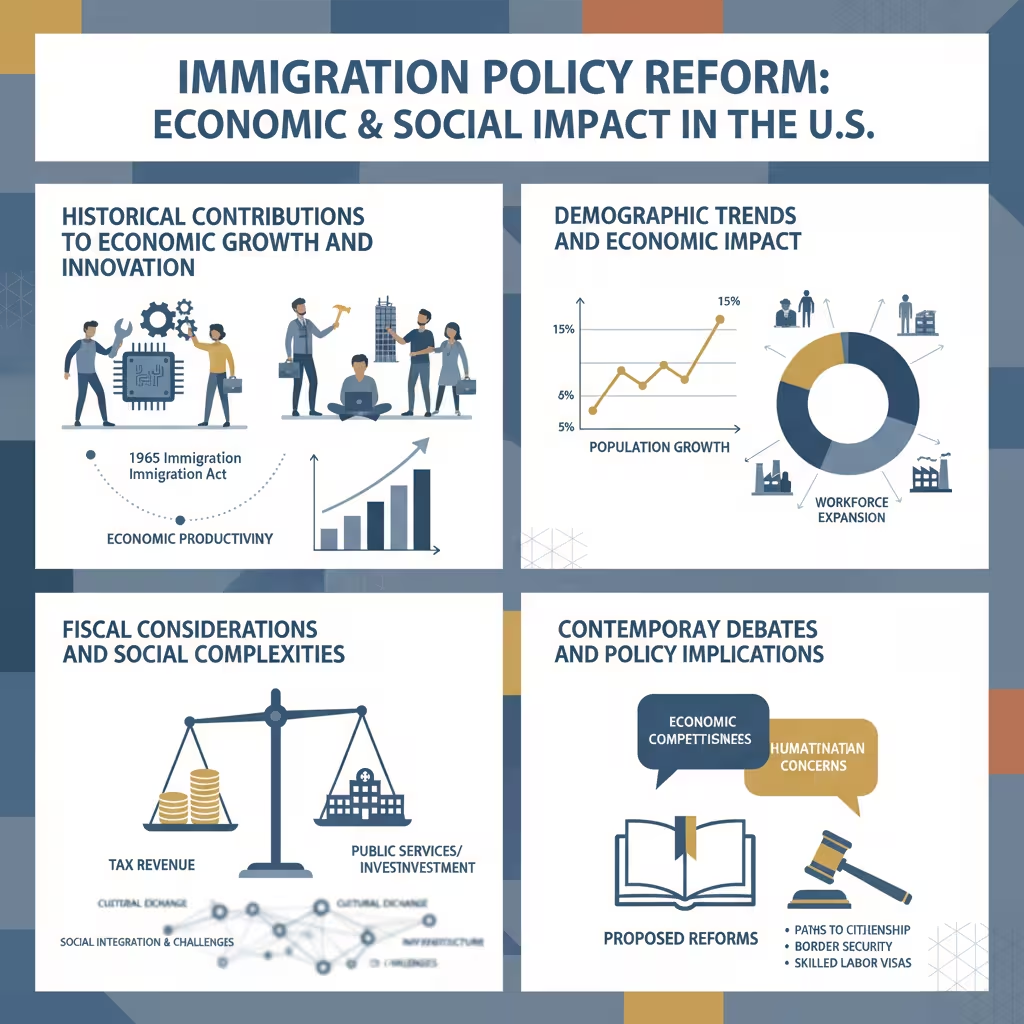
Immigration has been a cornerstone of the United States' economic growth and social fabric, significantly contributing to innovation and labor market expansion. Historically, immigrants fueled industrialization, technological advancements, and addressed critical labor shortages. Since the 1965 Immigration and Nationality Act, which prioritized family reunification and skilled visas, and the 1990 Immigration Act, the foreign-born population has grown substantially, positively impacting productivity and economic dynamism. While immigration generally yields net fiscal benefits, localized challenges and nativist sentiments persist, especially concerning undocumented immigrants. Contemporary policy debates must balance the economic advantages of immigration with social and legal complexities, advocating reforms that support integration while sustaining the U.S. economy's vitality.
The Economic and Social Impact of Immigration Policy Reform in the United States
Immigration has been a defining element in the United States’ economic development and social fabric. Despite the ongoing debates surrounding immigration policy reform, the evidence overwhelmingly demonstrates the positive contributions of immigrants to the U.S. economy and innovation landscape. However, tensions persist due to nativism, economic inequality, and political rhetoric, which often overshadow the complex realities of immigrant integration and undocumented immigrant populations.
Historical Contributions to Economic Growth and Innovation
Immigrants have played a vital role in shaping the U.S. economy, particularly during periods of significant industrial expansion. Early 20th-century immigration accelerated the transition from artisanal manufacturing to mass production, boosting trade and technological innovation. Notably, immigrant scientists, including Jewish refugees fleeing Nazi Germany in the 1930s, contributed substantially to patenting and technological advancements. This legacy underscores immigration’s role in fostering innovation and sustaining economic dynamism.
The passage of the 1965 Immigration and Nationality Act marked a pivotal reform by abolishing national origin quotas and prioritizing family reunification alongside skilled immigrant visas. This legislative shift diversified the immigrant population and reinforced the economic rationale behind immigration policy. Subsequently, the Immigration Act of 1990 further expanded employment-based immigration, reflecting the growing recognition of skilled immigrants as drivers of economic growth.
Demographic Trends and Economic Impact
Since 1970, the foreign-born population in the United States has steadily increased from under 5% to approximately 13 to 15%, levels comparable to those observed in the late 19th and early 20th centuries. This rise has significant economic implications. Comprehensive studies indicate that immigration has minimal long-term negative effects on native-born workers’ wages and employment rates. Instead, immigration tends to enhance specialization, innovation, and overall productivity, contributing to what economists term the “immigration surplus.”
Immigrants also play a crucial role in addressing labor shortages across various sectors and regions. Historical examples include Mexican immigrants who alleviated workforce gaps during and after World War II. More recently, immigrant labor has been essential in rapidly expanding fields such as high-tech industries and construction. By filling these gaps, immigrants increase productive capacity and accelerate economic growth.
Fiscal Considerations and Social Complexities
From a fiscal perspective, immigration generally produces net positive effects at federal, state, and local levels. However, some localities with high concentrations of low-income, less-educated immigrants encounter fiscal pressures, particularly concerning public education expenditures. These localized challenges contribute to social tensions and fuel nativist attitudes, despite the broader economic benefits immigration confers.
Undocumented immigrants, despite their substantial economic contributions, face ongoing legal uncertainties, deportations, and social stigma. Federal immigration enforcement actions, including raids and even the deployment of the National Guard, have intensified amid rising anti-immigrant political rhetoric. These measures reflect heightened public concerns about crime, economic competition, and cultural shifts, which often exacerbate the divide between immigrant heritage and nativist sentiments.
Contemporary Debates and Policy Implications
The current immigration policy debates encapsulate a complex interplay between economic imperatives and social challenges. While there is broad consensus among economists about the positive impact of immigration on innovation, labor markets, and fiscal health, political discourse frequently centers on concerns over unauthorized immigration, labor market competition, and cultural integration.
Effective immigration policy reform must balance these dimensions by recognizing immigrants’ indispensable role in the U.S. economy while addressing legal and social obstacles faced by undocumented populations. Enhancing pathways for family reunification and expanding skilled immigrant visas are policy instruments aligned with this balance, as exemplified by historic legislative changes.
Conclusion
Immigrants have been and continue to be integral to the United States’ economic vitality and innovative capacity. The historical and ongoing contributions of the foreign-born population underscore the economic impact of immigration, including alleviating labor shortages and promoting technological advancement. Nonetheless, immigrants confront significant legal challenges and social stigma amid enduring nativist pressures. Comprehensive immigration policy reform that acknowledges both economic evidence and social realities is essential to harness the full benefits of immigration while addressing the complex tensions within American society.
---
This analysis highlights the multifaceted nature of immigration's influence on the U.S. economy and society. Understanding these dynamics is crucial for informed discussions and effective policymaking in the context of ongoing immigration reform debates.

Frequently Asked Questions
Q: Why is the US skeptical of immigrants
A: The United States has exhibited skepticism towards immigrants due to concerns about economic competition, cultural differences, and national security. Some fear that immigrants might take jobs from native-born citizens or strain public resources. Additionally, cultural and linguistic differences can lead to apprehension about integration and social cohesion. Security concerns, especially after events like 9/11, have also contributed to stricter immigration policies and a cautious attitude towards newcomers.
Q: Effects of immigration raids by ICE
A: Immigration raids by ICE (Immigration and Customs Enforcement) often lead to significant disruption in immigrant communities. They can cause fear and anxiety among undocumented individuals and their families, sometimes resulting in economic instability if primary breadwinners are detained or removed. Additionally, these raids may strain community trust in law enforcement, reduce cooperation with public services, and impact local businesses. They also raise concerns about human rights and due process protections.
Q: History of US immigration policy
A: US immigration policy has evolved significantly since the country's founding, initially allowing relatively open immigration to support expansion and economic growth. The late 19th and early 20th centuries saw increased regulation with laws like the Chinese Exclusion Act of 1882 and the Immigration Act of 1924, which imposed quotas based on nationality. Post-1965, the Immigration and Nationality Act eliminated national quotas, emphasizing family reunification and skilled immigrants. Recent decades have focused on issues like undocumented immigration, border security, and refugee admissions, reflecting changing political and social concerns.
Q: Impact of undocumented immigrants on US economy
A: Undocumented immigrants contribute to the US economy by filling labor shortages, particularly in sectors like agriculture, construction, and service industries. They often pay taxes, including sales taxes and, in many cases, income taxes, even without access to many public benefits. However, some argue that their presence may put downward pressure on wages and increase demand for certain public services. Overall, undocumented immigrants have a complex and mixed impact, with positive contributions to economic growth and challenges related to labor markets and public resources.
Q: How Trump administration handles illegal immigration
A: The Trump administration took a hardline approach to illegal immigration, focusing on strict border enforcement and policies to deter unauthorized entry. Key measures included building sections of a border wall, increasing border patrol personnel, and implementing the 'zero tolerance' policy that led to family separations at the border. The administration also ended the Deferred Action for Childhood Arrivals (DACA) program and restricted asylum claims, aiming to reduce both illegal crossings and the number of individuals who remain in the U.S. unlawfully.
Key Entities
Donald Trump: Donald Trump is a former President of the United States known for his outspoken political style and policies on immigration and national security. His tenure significantly influenced the operations and priorities of agencies such as ICE and the Department of Homeland Security.
ICE: U.S. Immigration and Customs Enforcement (ICE) is a federal agency under the Department of Homeland Security responsible for enforcing immigration laws and investigating criminal activities related to border security. ICE plays a central role in detaining and deporting undocumented immigrants within the United States.
University of Minnesota: The University of Minnesota is a major public research university known for its contributions to various academic fields and its location in Minneapolis and St. Paul. It often collaborates on research related to public policy, security, and immigration issues.
New York University: New York University (NYU) is a prominent private research university located in New York City, recognized for its law and social science programs. NYU frequently engages in research and advocacy related to immigration policy and human rights.
Department of Homeland Security: The Department of Homeland Security (DHS) is a federal agency tasked with protecting the United States from threats, including terrorism, cyberattacks, and illegal immigration. DHS oversees ICE and other agencies focused on border security and emergency response.
External articles
- The U.S. Immigration Debate
- Immigration Has Been a Defining, Often Co..
- What History Tells Us about Assimilation of Immigrants
Articles in same category
- Victoria’s Secret Brand Identity Crisis and Shift to Inclusivity
- Assessing Donald Trump's Prospects for the Nobel Peace Prize: Independence, Criteria, and Controversies
- Rising Interest in Norwegian Language and Culture Among Young Americans
YouTube Video
Title: Why Your Groceries Keep Getting More Expensive and What Does Immigration Have to Do With It? The U.S
URL: https://www.youtube.com/shorts/094dtP6nU_c
Life