

Creating a Sense of Home for Global Citizens Living Across Continents
In today's interconnected world, global citizens and digital nomads navigate a lifestyle spanning multiple continents, facing unique challenges in creating a sense of home. Emotional struggles like identity confusion and loneliness are common, but can be eased through community building and specialized mental health support. Establishing familiarity is key—consistent design elements across homes and personalized rituals serve as comforting anchors amidst constant change. Technology and professional services streamline managing multiple residences, from remote home control to property management, making transitions smoother. Additional considerations include prioritizing sustainability, understanding legal and financial complexities, and fostering supportive networks. Ultimately, thriving as a global citizen requires adaptability, strategic planning, and emotional resilience, turning a nomadic existence into a fulfilling and enriching journey.
The Global Citizen's Guide to Creating a Sense of Home Across Continents
In today's interconnected world, many individuals embrace a lifestyle that transcends traditional boundaries, living between continents as global citizens or digital nomads. This way of life, while enriching, presents unique challenges in maintaining a sense of home and emotional continuity. How do these modern nomads create a comforting and familiar environment amidst constant change? This article explores the psychological impacts, the importance of design and rituals, and the role of technology and services in managing a life spread across the globe.
Key Takeaways: - Living across multiple countries can lead to emotional challenges like identity confusion and loneliness. - Consistent design elements and personalized rituals are crucial for establishing a sense of home. - Technology and professional services play a significant role in managing multiple residences efficiently.
---
The Psychological Challenges of a Global Lifestyle
Living between continents offers a rich tapestry of experiences but also brings about significant psychological challenges. The constant need for cultural adaptation can lead to identity confusion, where individuals might struggle to reconcile their multiple cultural identities. This is often compounded by feelings of loneliness, as the transient nature of their lifestyle might prevent deep-rooted community connections.
Coping Mechanisms: - Community Building: Engaging with expat communities or networks of like-minded global citizens can provide emotional support. These communities often share insights on cultural adaptation, helping to mitigate feelings of isolation. - Mental Health Support: Access to therapy that understands the nuances of global living is vital. Therapists specializing in expatriate mental health can offer strategies to manage stress and maintain emotional well-being.
Creating a Sense of Home with Design and Rituals
For global citizens, the concept of home becomes less about a fixed location and more about a feeling that can be recreated anywhere. Here, consistent design elements and personalized rituals play a pivotal role.
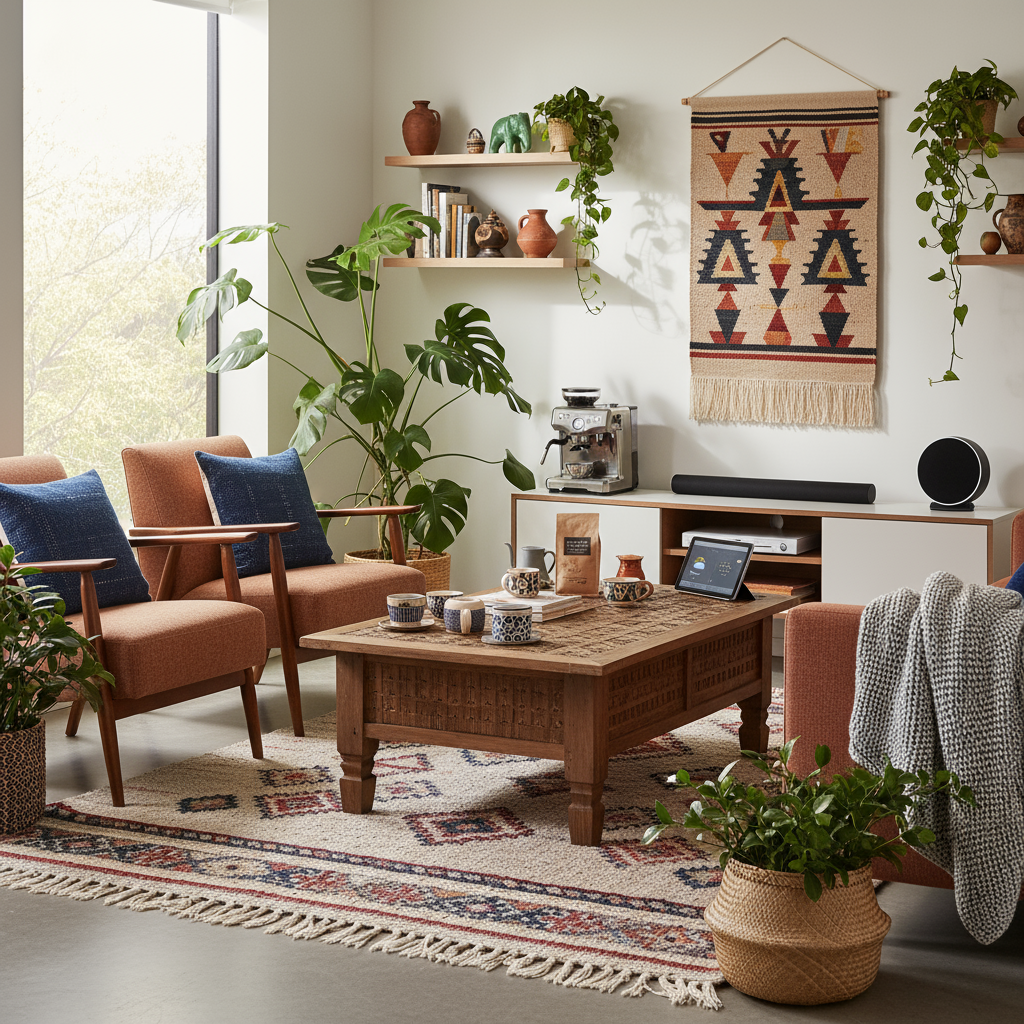
Consistent Design: - Using the same color schemes, furniture styles, or even specific pieces of art across different residences helps in creating a visual continuity. This not only aids in reducing the shock of new environments but also reinforces a familiar aesthetic that feels like home. - Incorporating elements of nature, like plants or natural light, in all living spaces can enhance this sense of continuity, providing a universal comfort that transcends location.
Personalized Rituals: - Rituals, such as a morning coffee routine or an evening reading session, become portable anchors. They provide structure and comfort, anchoring one's identity in the familiar amidst change. - These rituals can be adjusted to include local flavors or practices, merging the new with the familiar, which can enrich the experience of living in different cultures.
Leveraging Technology and Services for Seamless Living
The logistical challenge of managing multiple homes is where technology and professional services shine, reducing anxiety and enhancing the living experience.
Technology in Home Management: - Smart home devices like thermostats, security systems, and lighting can be controlled remotely, ensuring homes remain comfortable and secure even when unoccupied. - Apps that manage utilities, bookings, or even grocery deliveries can streamline the process of settling into or leaving a home, making the transition smoother.
Role of Property Managers: - Engaging property managers can alleviate the burden of maintaining properties in different countries. These professionals handle everything from maintenance to tenant management, ensuring that each home operates smoothly without constant personal oversight. - They also navigate the complexities of different legal and financial systems, providing peace of mind and efficiency in property management.
Additional Considerations for Global Living
Sustainability in Design: - Given the environmental impact of frequent travel, global citizens often prioritize sustainability. Using eco-friendly materials, energy-efficient appliances, and designing spaces that reduce waste align with their values, reducing their carbon footprint.
Legal and Financial Considerations: - Understanding the legal frameworks and tax implications of owning property in multiple countries is crucial. Financial planning that accounts for different currencies, tax laws, and investment strategies ensures financial stability and efficiency.
Community and Networking: - Joining or forming communities with other global citizens or expats not only provides emotional support but also practical advice. These networks can be invaluable for sharing resources, experiences, and solutions to common challenges.
---
Conclusion
Living as a global citizen or digital nomad requires a blend of adaptability, strategic planning, and emotional resilience. By focusing on creating a consistent sense of home through design and rituals, utilizing technology and professional services, and understanding the broader implications of such a lifestyle, individuals can navigate the complexities of living between continents with grace and comfort. This lifestyle, while demanding, offers a unique perspective on the world, enriched by the diversity of experiences and the personal growth that comes from embracing global living.

Frequently Asked Questions
Q: How to maintain a sense of home while living abroad
A: Maintaining a sense of home while living abroad can be achieved by creating familiar routines, staying connected with loved ones through regular communication, and incorporating elements from your culture into your daily life, such as cooking traditional meals or celebrating familiar holidays. Personalizing your living space with items that remind you of home, like photos or keepsakes, can also provide comfort. Additionally, building a local support network with others who share your background or interests helps create a community that feels like home away from home.
Q: Tips for global citizens living between continents
A: Global citizens living between continents should embrace cultural adaptability by learning local customs and languages to foster meaningful connections. Maintaining strong communication with family and friends across time zones is crucial for emotional well-being. It is also important to manage administrative tasks like visas, health insurance, and banking efficiently to avoid complications. Additionally, staying informed about political and social developments in all relevant regions aids in making informed decisions and integrating smoothly.
Q: Design ideas for homes in multiple countries
A: Home design varies significantly across countries due to climate, culture, and available materials. In Scandinavian countries, homes often feature minimalist designs with an emphasis on natural light and wood elements. Japanese homes highlight simplicity and integration with nature, using sliding doors and tatami mats. Mediterranean homes incorporate stucco walls, terracotta roofs, and bright courtyards to suit warm climates. Exploring these diverse styles can inspire unique and functional home designs that reflect local traditions and environments.
Q: How to create continuity in your living spaces internationally
A: To create continuity in your living spaces internationally, focus on a consistent design theme or color palette that can be adapted to different cultural contexts. Use common elements such as similar furniture styles, textures, or patterns that resonate globally while respecting local tastes. Incorporate personal touches and familiar items to maintain a sense of identity and comfort across locations. Balancing universal design principles with local influences helps establish a cohesive and welcoming environment.
Q: Managing emotional well-being when moving frequently
A: Moving frequently can be emotionally challenging, but maintaining well-being involves establishing routines and focusing on self-care. Staying connected with friends and family through regular communication helps reduce feelings of isolation. Creating a comfortable and personalized living space, even temporarily, can provide stability. Additionally, practicing mindfulness and seeking support from counselors or support groups can assist in managing stress and adapting to change.
External articles
- Your Home, Our Planet: Share How You're Living for a ...
- So Your Style Is: Global
- Join Our Design Journeys: Global Interior Design
Related Articles
- Luxury Hotel Openings to Watch in 2025: Exclusive Resorts and Historic Charm
- Kristen Bell Stars in Citi Strata Elite Card Ad Campaign Highlighting Exceptional Travel Rewards
- Integrating Nature, Technology, and Wellness in Modern Office Design
YouTube Video
Title: Global Citizen
Channel: Global Citizen
URL: https://www.youtube.com/watch?v=_yio6kQrlYQ
Published: 13 years ago
Travel