


China evacuates nearly 2M as Bavi nears Wenzhou
Typhoon Bavi is approaching Wenzhou, Zhejiang, after battering Japan’s Sakishima islands and brushing Taiwan, prompting large-scale evacuations across Zhejiang and Fujian totaling around 1.7 to 1.8 million people.
The storm, though weakening, remains dangerous because of the vast amounts of moisture in its rain bands about the length of France.
Maximum sustained winds have been reported around 90 mph (Category 1) with earlier reports citing up to 144 km/h, reflecting ongoing intensity variability.
Residents in Wenzhou and nearby areas have stocked water and supplies, while some closures and holidays were enacted to mitigate impact.
The Philippines reported 17 deaths tied to heavy rains linked to a monsoon regime intensified by Bavi, and Taiwan reported injuries as the island shut down more of its services.
No fatalities have been reported in Japan or Taiwan from Bavi itself so far.
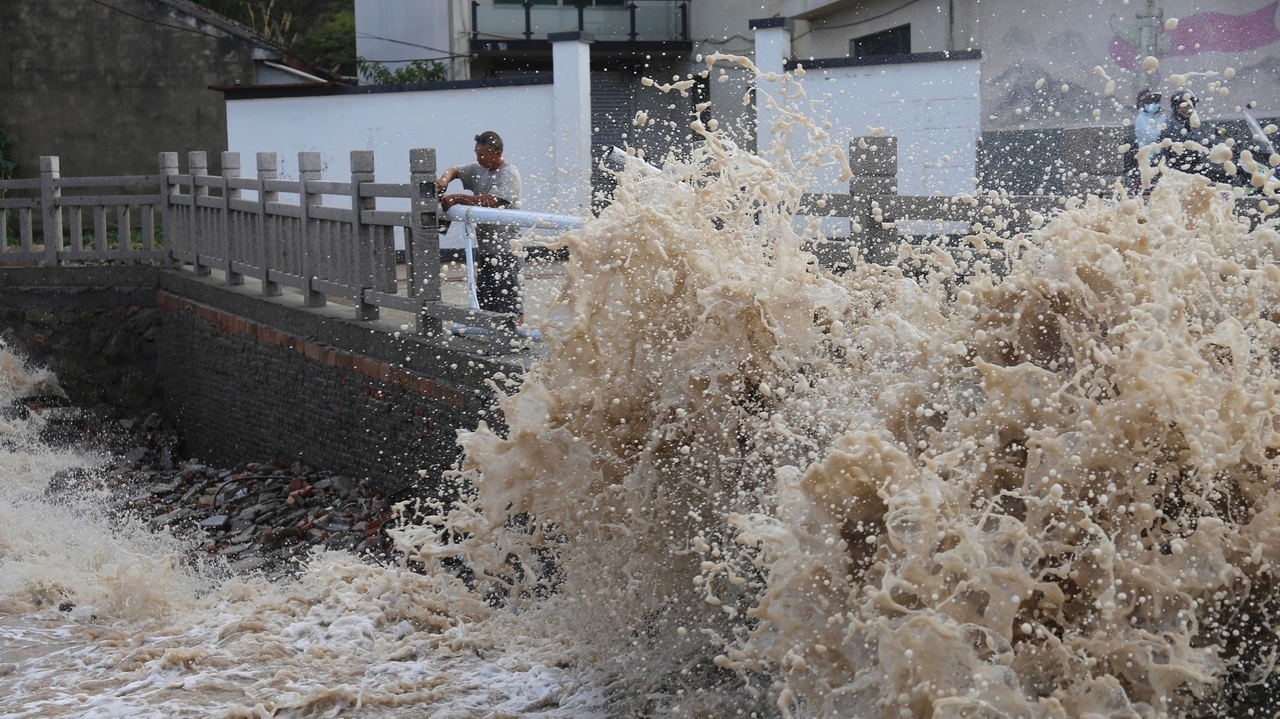
Typhoon Bavi makes landfall in eastern China after prompting mass evacuations and disruptions in Taiwan and Japan
Typhoon Bavi struck eastern China late Saturday with maximum sustained winds of about 144 km/h (90 mph), equivalent to a Category 1 hurricane, after forcing the evacuation of nearly two million people. The storm previously affected northern Taiwan and Japan’s southern Sakishima islands with heavy rain, strong winds, and widespread flight cancellations.
Key Points
- Typhoon Bavi made landfall near Taizhou in Zhejiang province, China, prompting evacuations of over 1.7 million people in Zhejiang, plus additional evacuations in Fujian, Beijing, and Shanghai.
- The typhoon weakened but remained dangerous due to its large rain bands, estimated to span about the size of France.
- Taiwan evacuated more than 14,000 people, canceled 920 international and 282 domestic flights, and declared a typhoon holiday to minimize risks, though no deaths were reported.
- Seventeen people died in the Philippines from heavy rains linked to an enhanced southwest monsoon worsened by Bavi.
- Japan’s Sakishima islands suffered power outages and flight cancellations, but no fatalities were reported.
- The storm’s approach triggered suspensions of classes, work, and transport services in Chinese coastal areas, with extensive damage prevention measures enacted.
Impact and Evacuations in China
Typhoon Bavi made landfall around 11:20 p.m. local time Saturday in the coastal city of Taizhou, Zhejiang province. State media reported that more than 1.7 million people were evacuated across Zhejiang where Bavi was expected to bring exceptionally heavy rains. In addition, over 100,000 people were moved from Fujian province, 34,000 from Shanghai’s high-risk zones, and evacuations also occurred in Beijing due to flood risks from swollen reservoirs. Authorities suspended schools, work, outdoor activities, and cancelled hundreds of flights and train services ahead of the typhoon.
Effects in Taiwan and Japan
Though Bavi did not make landfall in Taiwan, the government evacuated over 14,000 residents primarily from mountainous areas and closed most businesses and schools in precaution. The typhoon brought nearly one meter (about three feet) of rain to parts of northern and eastern Taiwan, causing 113 injuries mostly from falls. Taiwan’s main international airport at Taoyuan was effectively shut down with hundreds of flights canceled. In Japan, particularly Okinawa’s Miyako region, Bavi caused extensive power outages and transportation disruptions but no deaths.
Additional Information on Regional Impact and Weather Context
The typhoon worsened an enhanced southwest monsoon, leading to deadly flooding and landslides in the Philippines, where 18 fatalities were reported, mostly on Mindanao island. Bavi originated as a super typhoon over the Pacific Ocean, impacting Guam and the Northern Marianas before weakening on approach to East Asia. The storm’s heavy rainfall and intensity were influenced by record-high Pacific Ocean temperatures and the return of the El Nino climate phenomenon, both of which contribute to stronger tropical storms.
Questions and answers
Q: Typhoon Bavi impact in China
A: Typhoon Bavi caused significant disruptions in parts of eastern China, bringing heavy rainfall and strong winds that led to flooding and damages to infrastructure. Coastal areas experienced storm surges and power outages, with emergency services deployed to assist affected communities. The storm's impact stressed the importance of preparedness in vulnerable regions.
Q: Typhoon Bavi evacuations in Taiwan
A: In response to Typhoon Bavi, Taiwan implemented precautionary evacuations in susceptible areas, particularly along the northern and eastern coastlines. Authorities issued warnings and relocated residents from flood-prone and landslide-risk zones to safer shelters. These measures helped minimize casualties and ensured community safety during the storm's passage.
Q: Flight cancellations due to Typhoon Bavi
A: Typhoon Bavi led to multiple flight cancellations and delays across airports in affected regions, including China, Taiwan, and neighboring countries. Airlines prioritized passenger safety by suspending operations during peak storm conditions, disrupting travel plans. Travelers were advised to check with airlines for updated flight statuses and rescheduling options.
Q: Effects of Typhoon Bavi in Japan
A: Though Typhoon Bavi primarily impacted the Korean Peninsula and parts of China, Japan experienced secondary effects such as increased rainfall and gusty winds, especially in southwestern areas. These conditions occasionally caused localized flooding and transportation disruptions. Japan's meteorological agencies monitored the storm closely to issue timely advisories.
Q: Philippines flooding from southwest monsoon
A: The southwest monsoon, enhanced by Typhoon Bavi, brought heavy rains to the Philippines, causing widespread flooding in low-lying regions. Rivers overflowed, and urban areas faced waterlogging, impacting thousands of residents and leading to temporary evacuations. Local authorities coordinated relief efforts and issued warnings to mitigate risks associated with the flooding.
Key Entities
Typhoon Bavi: Typhoon Bavi was a powerful tropical cyclone that threatened parts of East Asia in 2023, prompting warnings and preparations in affected countries. It primarily impacted regions including China, Taiwan, Japan, and the Philippines with heavy rainfall and strong winds.
China: China is a major East Asian country frequently affected by typhoons originating in the western Pacific Ocean, including Typhoon Bavi. The nation's eastern coastal regions often experience significant weather disruptions from such storms, necessitating large-scale emergency responses.
Taiwan: Taiwan is an island nation in East Asia that lies in the path of many Pacific typhoons, such as Typhoon Bavi. Its mountainous terrain and dense population make it vulnerable to severe weather impacts like flooding and landslides.
Japan: Japan is an island country in the Pacific frequently impacted by typhoons including Typhoon Bavi, which cause heavy rainfall, strong winds, and disrupt transportation and infrastructure. The country has extensive disaster preparedness measures to mitigate typhoon damage.
Philippines: The Philippines is an archipelago in Southeast Asia commonly affected by typhoons from the Pacific, including Typhoon Bavi. Its location makes it highly susceptible to tropical storms that often result in flooding, landslides, and damage to communities.
External articles
- East Asia braces for destructive typhoon as landslides kill ...
- Typhoon Bavi (2026)
- What Typhoon Bavi reveals about extreme storm risks in East ...
Articles in same category
- Severe Wind Advisories and Winter Storms Impact Multiple U.S. Regions
- PennDOT Eases Vehicle Restrictions but Keeps Speed Limits on Snowstorm-Affected Highways
- Massachusetts Snowfall Updates: Over 20 Inches from Recent Winter Storms
YouTube Video
Title: One day before Typhoon Bavi made landfall, MuginUAV and the Hangzhou Rescue Team arrived in Taizhou.
URL: https://www.youtube.com/shorts/sJSxyZTPFkE
Earth