

Bugonia Review: Lanthimos’s Dark Satire on Conspiracy and Capitalism Falters
Bugonia, directed by Yorgos Lanthimos, is an English-language remake of the cult South Korean film Save the Green Planet! The story follows two conspiracy-obsessed cousins who kidnap Michelle Fuller (Emma Stone), a pharmaceutical CEO they believe is an alien planning to destroy Earth. Combining Lanthimos’s signature surreal style and dark comedy, the film explores themes of conspiracy culture, capitalism, and environmental crisis. Jesse Plemons delivers a compelling portrayal of Teddy, the troubled kidnapper, while Stone embodies the cold corporate executive. Despite sharp satire and strong performances, Bugonia struggles with pacing and tonal inconsistencies, leading to mixed critical reception. The film offers incisive social commentary but falters in narrative execution, making it a provocative yet flawed addition to Lanthimos’s body of work.
Bugonia presents a darkly comedic kidnapping story with sharp satire but falters in execution
Bugonia, directed by Yorgos Lanthimos and starring Jesse Plemons, Emma Stone, and Aidan Delbis, is an English-language remake of the South Korean cult film Save the Green Planet! The film centers on two conspiracy-obsessed cousins who kidnap Michelle Fuller (Emma Stone), a pharmaceutical CEO they believe is an extraterrestrial alien intent on destroying Earth. While infused with Lanthimos’s characteristic surreal style and dark humor, Bugonia receives mixed reactions, balancing biting social commentary with moments of frustration over narrative structure and tonal inconsistencies.
Key points: - Bugonia is a remake of Jang Joon-hwan’s 2003 cult South Korean film, Save the Green Planet!, updated and adapted by Yorgos Lanthimos for an American audience. - The story explores conspiracy theories and anti-capitalist themes through the kidnapping of a pharmaceutical CEO thought to be an alien by two obsessed cousins. - Jesse Plemons delivers a committed portrayal of Teddy, a traumatized conspiracy theorist, while Emma Stone embodies the unfeeling CEO trapped in a harrowing ordeal. - The film mixes sharp satire, surreal imagery, and dark comedy but suffers from pacing issues and a narrative that leads to predictable conclusions. - Critics praise the performances and cinematic style but feel the overall experience is underwhelming, with the final acts diluting the film’s initial incisive commentary.
---
From cult Korean comedy to American dark satire: Background and premise
Bugonia is based on the cult film Save the Green Planet! by director Jang Joon-hwan, a 2003 South Korean black comedy about a factory worker who kidnaps a pharmaceutical executive he believes is an alien intent on destroying Earth. Jang’s original offered inventive visuals and a blend of absurdity and dark comedy with an underlying message of environmentalism and social critique.
Yorgos Lanthimos, known for his distinctive surreal and unsettling filmmaking style, undertakes the remake by emphasizing anti-capitalist themes tied to modern corporate malfeasance and social disillusionment. The screenplay is penned by Will Tracy, known for TV works like Succession and The Menu, aiming to capture the psychological dynamics and dark humor of the original while appealing to contemporary American audiences.
Plot and characters: delusion, captivity, and power dynamics
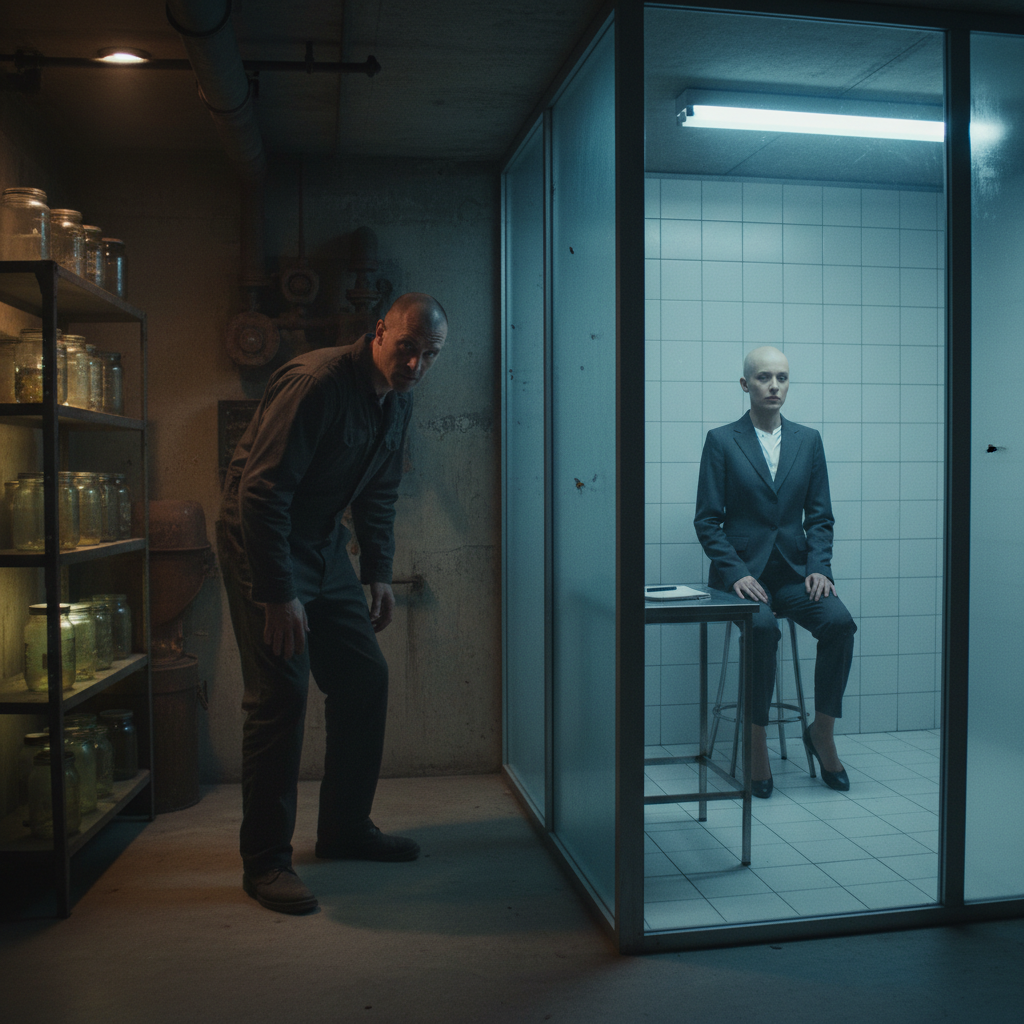
The film follows Teddy (Jesse Plemons), a beekeeper and conspiracy theorist who believes Michelle Fuller (Emma Stone), CEO of a massive pharmaceutical company, is a hostile alien from Andromeda planning global domination. Teddy and his autistic cousin Don (Aidan Delbis) kidnap Michelle, shave her head to prevent "alien tracking" via hair follicles, and confine her in a basement bunker.
Over nearly two hours, the narrative explores Teddy’s fractured psyche, conspiracy-fueled fanaticism, and Michelle’s struggle to survive and manipulate her captor’s delusions. The film delves into themes of trauma, control, human folly, and societal exploitation. Michelle embodies the emblematic “girlboss” capitalist figure — unempathetic and trapped in corporate rhetoric — while Teddy’s fanaticism is rooted in personal trauma and radicalization through online rabbit holes.
Performance analysis: compelling leads amid structural issues
Jesse Plemons channels both the absurdity and tragedy of Teddy’s character. His portrayal captures a man so consumed by fanaticism and past trauma that he blurs the boundaries between reality and delusion. His frantic, sometimes violent energy is juxtaposed with moments of surprising fragility, enhancing the psychological depth of the film.
Emma Stone delivers a sharp performance as Michelle Fuller, projecting an unfeeling, corporate archetype whose attempts at negotiation reveal the hollow nature of corporate communication and power. Despite being a captive, Michelle often embodies the cold logic of capitalism and managerial speak with chilling detachment.
However, critics note the film’s structure undercuts the intense exchanges between the characters. The story gravitates toward a foregone conclusion without fully exploring the complex psychological battle brewing between Teddy and Michelle. The script’s arguments appear superficial at times, locking the film into a limited dynamic rather than an evolving dramatic contest.
Thematic elements: conspiracy culture, capitalism, and environmental awakening
Bugonia critiques the rise of conspiracy theories in contemporary America, portraying how Teddy’s desperate flight into fantastical thinking stems from systemic failures and personal pain. The film also highlights corporate exploitation, with Michelle’s character embodying toxic managerial practices and indifference towards employee wellbeing.
The subplot involving Teddy’s beekeeping and colony collapse disorder acts as an environmental metaphor while tying into the conspiracy theme — framing global ecological crises as interlinked with corporate greed and corruption.
Lanthimos incorporates surreal black-and-white flashbacks and symbolic imagery to reflect Teddy’s fragmented mental state, reminiscent of his previous works like Poor Things and The Lobster.
Cinematic style and direction: signature Lanthimos surrealism meets conventional structure
True to Lanthimos’s style, Bugonia features unsettling compositions, stark lighting, and jarring cuts that augment the surreal tone. Robbie Ryan’s cinematography provides vivid visual impact, while Jerskin Fendrix’s orchestral score punctuates Teddy’s manic energy.
However, this signature surrealism is tempered by a plot that tends to be restrained and less unpredictable than one might expect from Lanthimos. The film’s final act descends into brutal violence and grotesquery that some find tonally inconsistent or unearned, softening the provocative commentary established earlier.
Critical reception and conclusion
Critics appreciate the film’s ambition and performances, particularly praising the leads’ chemistry and psychological complexity. Yet many feel Bugonia is less satisfying than Lanthimos’s best works, with mixed messaging and pacing issues diminishing its impact. The final scenes, while visually striking, polarize audiences due to their drastic tonal shift.
Bugonia’s commentary on conspiracy, capitalist excess, and human folly resonates with current societal tensions, but its uneven execution limits its potential as a profound cinematic statement. It stands as a sharp, albeit flawed, dark comedy reflecting an America grappling with distrust, trauma, and environmental crisis.
As reviews suggest, while the film may not save the planet or revolutionize cinematic discourse, it offers a telling snapshot of contemporary fears and absurdities – filtered through Lanthimos’s unique and often challenging lens. For fans of surreal dark comedy and socio-political satire, Bugonia remains a provocative, if imperfect, addition to the director’s oeuvre.

Questions and answers
Q: Bugonia movie review
A: Bugonia is a thought-provoking film that delves into themes of life, death, and transformation with a blend of surreal storytelling and visual artistry. Critics have praised its bold narrative choices and atmospheric cinematography, though some find its pacing and abstract elements challenging. Overall, it is recognized as a unique piece that offers a reflective cinematic experience for viewers open to unconventional narratives.
Q: Bugonia cast and characters
A: The cast of Bugonia features a select group of actors who bring to life the film's enigmatic characters, each contributing to the story's mysterious and symbolic atmosphere. While specific character names are scarce due to the film's abstract nature, the performances are noted for their subtlety and emotional depth, enhancing the film's contemplative tone. The cast's portrayal plays a crucial role in unfolding the film's themes of existence and metamorphosis.
Q: Yorgos Lanthimos films
A: Yorgos Lanthimos is a Greek filmmaker known for his distinctive style, blending dark humor, surrealism, and absurdity to explore human behavior and societal norms. Notable films include 'The Lobster,' 'The Favourite,' and 'Dogtooth,' each acclaimed for their unique narratives and compelling visual style. Lanthimos' works often challenge conventional storytelling and provoke deep reflection on relationships and identity.
Q: Bugonia plot summary
A: Bugonia centers on a man who, following the death of his wife during childbirth, participates in an ancient ritual involving bees to cope with loss and seek rebirth. The film explores themes of grief, transformation, and the cyclical nature of life through its symbolic and atmospheric storytelling. Its plot unfolds in a meditative pace, emphasizing emotional resonance over linear narrative.
Q: Criticism of Bugonia film
A: Criticism of Bugonia often points to its slow pacing and abstract narrative, which can be perceived as obscure or inaccessible to some audiences. Reviewers note that while its visual style and thematic ambition are commendable, the film's enigmatic storytelling may alienate viewers seeking a more straightforward plot. Nonetheless, it is appreciated within art-house circles for its originality and emotional depth.
Key Entities
Yorgos Lanthimos: Yorgos Lanthimos is a Greek filmmaker known for his distinctive style and darkly comedic narratives. He directed the film 'Poor Things', which stars Emma Stone and explores complex emotional themes.
Emma Stone: Emma Stone is an American actress recognized for her versatile performances across film and theater. She stars in 'Poor Things', directed by Yorgos Lanthimos, showcasing her ability to portray challenging roles.
Jesse Plemons: Jesse Plemons is an American actor known for his roles in both television and film. He appears alongside Emma Stone in 'Poor Things', contributing to the film's dramatic depth.
Aidan Delbis: Aidan Delbis is an actor featured in the film 'Poor Things', directed by Yorgos Lanthimos. His role supports the film's exploration of unusual and thought-provoking characters.
Jang Joon-hwan: Jang Joon-hwan is a South Korean film director recognized for his innovative works in cinema. He is mentioned in the context of contemporary filmmaking, highlighting global directors with unique storytelling styles.
External articles
- They're Watching Us: Conspiracy Theorists in Popular Media
- Pre-Millennium Tension: How 90's Paranoia Paved the Way ...
- Welcome to the Category Archive for TV
Articles in same category
- Robert Redford’s Legacy and Colman Domingo’s Role in Wicked: For Good
- Veteran Bollywood Actor Govardhan Asrani Dies at 84 After Respiratory Complications
- Edgar Wright’s 1000 Favorite Movies and Stephen King’s Approval of The Running Man Film
YouTube Video
Title: COME SEE BUGONIA EARLY SCREENING WITH ME :)
URL: https://www.youtube.com/shorts/JeQai3l2FgY
Film