


Avalanche Energy’s Nuclear Batteries and Tech Innovations Powering the Future
Avalanche Energy, a Seattle startup founded by former AWS experts, secured $5.2 million from the U.S. Department of Defense to develop nuclear batteries that outlast traditional energy storage.
Supported by $7 million in new funding, these batteries could power military and tech applications.
Meanwhile, cybersecurity threats rise, schools use drones for safety, and Google partners with MediaTek to challenge PC chip dominance.
Challenges persist, like a WireGuard developer locked out of Microsoft and a self-driving car incident in Texas, highlighting tech’s complex impact on society and the environment.
Read more:
perplexity.ai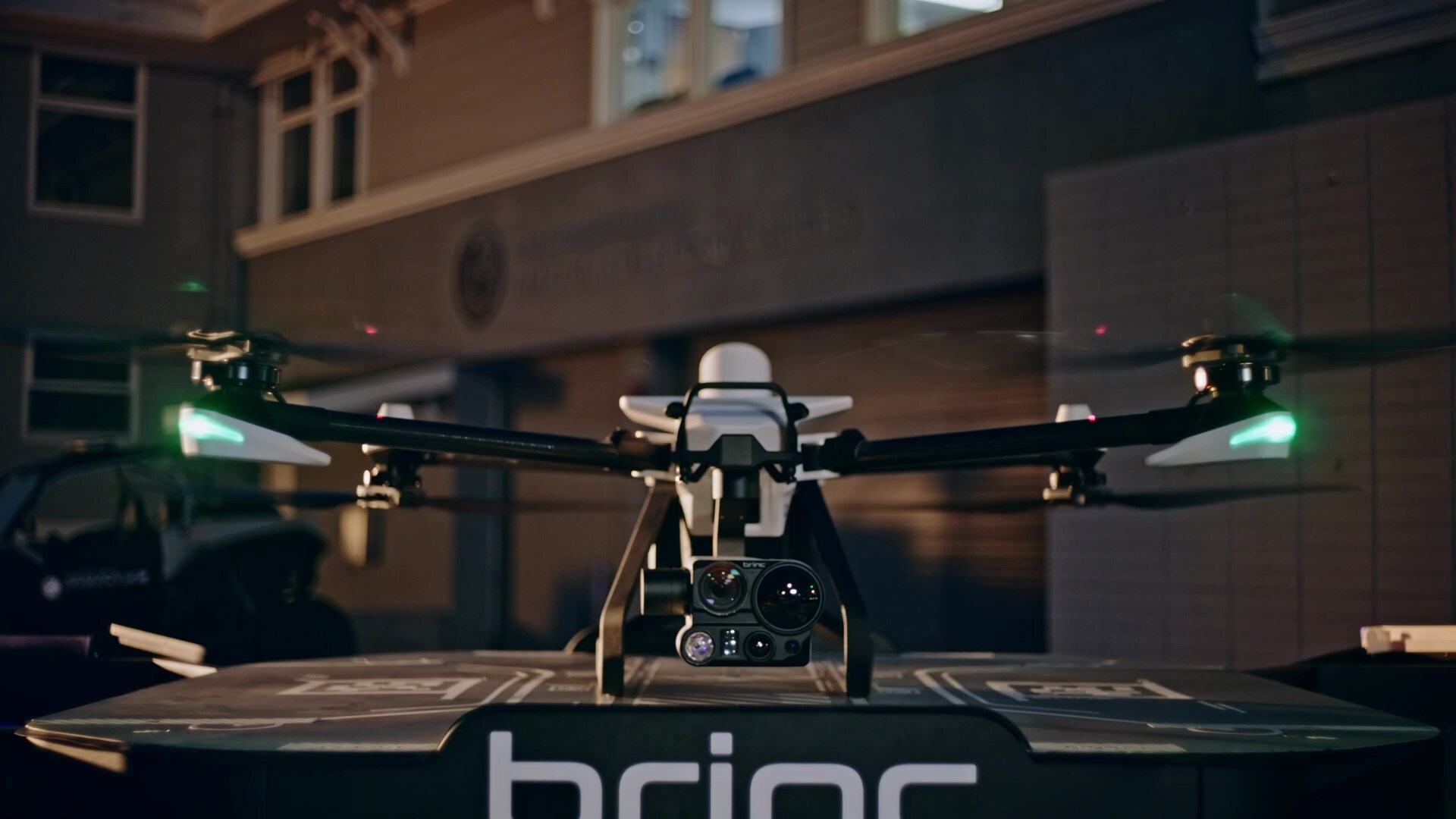
Powering the Future: Avalanche Energy’s Nuclear Batteries and the Surge in Tech Innovations
In a world constantly hungry for longer-lasting, more reliable energy sources, Avalanche Energy has emerged from stealth like a force of nature. This Seattle-based startup, founded by former AWS energy experts, recently secured a slice of a $5.2 million U.S. Department of Defense grant to develop revolutionary nuclear batteries. Imagine tiny powerhouses that outlast traditional energy storage, driving defense technology into a new era of efficiency and endurance. Supported by $7 million in fresh funding, Avalanche Energy is setting the stage for nuclear energy to power not only the military but potentially many tech applications yet to be dreamed up.
But the buzz around Avalanche isn’t happening in isolation. On the cybersecurity front, a shadow war intensifies as malware threats ramp up against critical infrastructure worldwide, prompting urgent calls for bolstered digital defenses. This digital battleground underscores a key truth: as technology evolves rapidly, so too do the vulnerabilities that come with it, demanding vigilance and innovation in tandem.
Meanwhile, technology’s role in safety takes an innovative flight with schools turning to drones for real-time surveillance to fend off active shooter threats. This new application of drones signals a shift toward tech-enhanced security, where aerial eyes become guardians of learning spaces, reflecting society’s desperate need for smarter protective measures.
Adding to the vibrant tech tapestry, Google and MediaTek have joined forces to challenge the dominance of traditional PC chips. Their collaboration promises powerful, efficient processors designed to disrupt the computing landscape, signaling fresh competition that could alter how we think about personal and professional computing power.
Yet, not all tech stories are about breakthroughs. The developer of the popular WireGuard VPN found themselves locked out of their Microsoft account, halting critical updates and shining a spotlight on the risks of dependency on big tech platforms. And in an unexpected collision of technology and nature, a self-driving car in Texas made headlines for striking a mother duck, raising poignant questions about how autonomous vehicles navigate the delicate balance between innovation and ecological care.
Together, these stories paint a vivid picture of a tech world in flux—striving for advancement while grappling with ethical, security, and environmental challenges. Avalanche Energy’s nuclear batteries symbolize hope for a powerful, enduring energy future. The drone deployments, chip innovations, cybersecurity battles, and even the quirks of autonomous cars all highlight the intricate dance between human ingenuity and the unforeseen consequences of new technologies. For readers and travelers alike, staying informed about these currents means understanding the future of the places and devices they interact with daily, making technology not just a tool but a vital part of the narrative that shapes our world.
Questions and answers
Q: Avalanche Energy nuclear batteries technology
A: Avalanche Energy is developing advanced nuclear batteries that utilize radioactive materials to generate long-lasting, reliable power. These batteries are small, durable, and capable of operating for decades without recharging, making them ideal for use in remote or critical applications like space exploration and medical devices. Their technology focuses on improving energy density and safety compared to traditional batteries.
Q: Latest cybersecurity threats to critical infrastructure
A: The latest cybersecurity threats to critical infrastructure include ransomware attacks, supply chain compromises, and sophisticated phishing campaigns targeting power grids, water systems, and transportation networks. Attackers increasingly exploit vulnerabilities in legacy systems and industrial control systems, potentially causing widespread disruption. Governments and organizations are prioritizing enhanced detection, response strategies, and regular system updates to mitigate these risks.
Q: Use of drones for school security
A: Drones are increasingly being used for school security to monitor large campuses, quickly assess potential threats, and provide real-time aerial surveillance during emergencies. They help security personnel respond faster to incidents, improve perimeter monitoring, and enhance situational awareness. However, their use raises privacy concerns which schools must address through clear policies and community engagement.
Q: Google and MediaTek processor collaboration
A: Google and MediaTek have collaborated to enhance processor technology, particularly focusing on optimizing chip performance for Android devices. This partnership aims to integrate Google's software advancements with MediaTek's efficient and cost-effective processors, improving device speed, battery life, and AI capabilities. It helps expand access to high-quality performance in mid-range and budget smartphones.
Q: Issues with Microsoft account affecting software updates
A: Problems with a Microsoft account can interfere with software updates if the account is not properly signed in or synchronized on the device. This may prevent access to update services, cause authentication errors, or block downloads from the Microsoft Store. Resolving these issues often involves verifying account credentials, checking network connectivity, and ensuring that the device date and time settings are correct.
Key Entities
Avalanche Energy: Avalanche Energy is a company focused on developing advanced battery technologies, including solid-state batteries. Their innovations aim to enhance energy storage solutions for various applications such as electric vehicles and grid storage.
U.S. Department of Defense: The U.S. Department of Defense oversees the armed forces and manages national security and military policies. It also funds research into advanced technologies, including energy storage and defense-related innovations.
Google: Google is a multinational technology company specializing in Internet-related services and products, including search, advertising, and cloud computing. It is increasingly involved in AI research and sustainability initiatives, including energy-efficient data centers.
MediaTek: MediaTek is a Taiwanese semiconductor company known for designing chips for mobile devices, smart TVs, and IoT products. Its technology supports power-efficient performance in consumer electronics globally.
Microsoft: Microsoft is a global software and technology company that provides operating systems, cloud services, and productivity software. The company is also investing in green technologies and AI advancements to support sustainable computing.
External articles
- A safe nuclear battery that could last a lifetime
- Nuclear power in your pocket? 50-year battery innovation
- A nuclear battery-powered boost
Articles in same category
- Orca Hunting, Universe Expansion, and Ovoviviparous Amphibians Insights
- Southern Italy vs Eastern Europe for Expats: Taxes, Cost, Climate & Lifestyle
- Privacy Issues and Risks of Meta Ray-Ban Smart Glasses in Sensitive Settings
YouTube Video
Title: (untitled)
Technology