


AI Boom Revitalizing City Offices: Urban Renaissance in Major US Cities
As the hum of artificial intelligence innovation intensifies across the United States, a striking shift is unfolding in the heart of our major cities.
The AI surge is reigniting the demand for office space in urban centers like New York City and San Francisco.
After years of remote work experimentation, companies are flocking back to physical workspaces, sparking a real estate renaissance.
This resurgence signals more than just commercial growth—it’s a cultural reaffirmation of the urban work experience.
AI is reshaping where and how we work, blending technology firms and traditional businesses into dynamic innovation hubs.
Read more:
perplexity.ai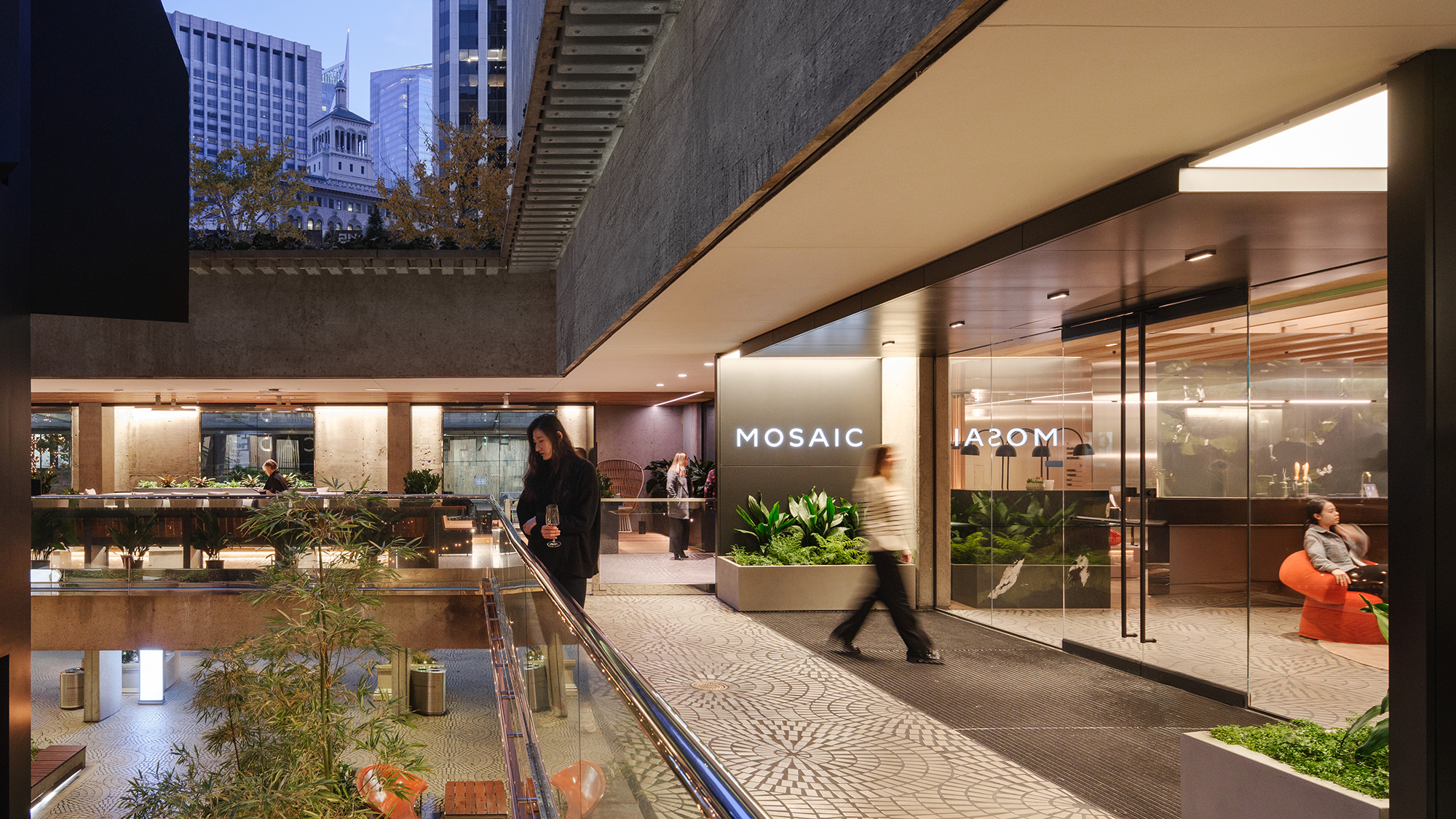
Urban Renaissance: How the AI Boom is Revitalizing City Offices
As the hum of artificial intelligence innovation intensifies across the United States, a striking shift is unfolding in the heart of our major cities. The AI surge is not just revolutionizing tech landscapes—it’s reigniting the demand for office space in iconic urban centers like New York City and San Francisco. After years of remote work experimentation, companies are flocking back to physical workspaces, sparking a real estate renaissance that city dwellers and business communities are watching with keen interest.
This isn’t your typical office revival. The AI boom is fueling expansion at an unprecedented scale, with firms eager to harness the creative synergy that only bustling, collaborative environments can offer. From sleek high-rises to co-working hubs in prime neighborhoods, leasing activity is skyrocketing. For cities that once feared dwindling downtown vibrancy, this resurgence signals more than just commercial growth—it’s a cultural reaffirmation of the urban work experience.
Experts in commercial real estate point to this trend as a testament to AI’s transformative power, reshaping where and how we work. The blend of cutting-edge technology firms and traditional businesses migrating back to city centers creates a dynamic mosaic, sparking innovation hubs that radiate beyond office walls into local economies and daily life.
But the story runs deeper. It’s about connection—the human need to engage face-to-face despite digital advancements. AI may automate tasks, but creativity, problem-solving, and spontaneous collaboration still crave space where energy pulses in real time. Cities become fertile ground for this alchemy, carving out futures where technology and tangible community coexist.
For professionals and urban enthusiasts alike, this office space renaissance promises new rhythms of work and culture. It’s a moment to rediscover the city’s pulse, foster innovation in shared spaces, and embrace the evolving narrative of how, where, and why we come together in the workplace. As AI drives this wave, the urban landscape is not just expanding—it's awakening anew.
Questions and answers
Q: How AI is impacting office real estate
A: AI is transforming office real estate by optimizing space usage through data analytics, enhancing building management with smart systems, and improving tenant experiences via AI-driven services. It enables predictive maintenance and energy efficiency, reducing operational costs. Additionally, AI helps landlords and developers better understand market trends and tenant preferences for strategic decision-making.
Q: Office space demand in major cities
A: Office space demand in major cities is influenced by factors like economic growth, remote work trends, and corporate expansion. Post-pandemic, many cities have seen fluctuating demand as companies balance remote and in-person work. While some urban centers experience a rebound in office leasing, others face challenges due to shifting work habits and a focus on flexible, hybrid workspaces.
Q: Urban revitalization through technology
A: Urban revitalization through technology involves using smart infrastructure, IoT devices, and data analytics to improve city living conditions. This includes enhancing public transportation, energy-efficient buildings, and public safety systems. Technology-driven initiatives can attract businesses and residents, boost local economies, and create more sustainable and connected urban environments.
Q: AI and return to office trends
A: AI supports return to office trends by enabling companies to monitor and manage workplace occupancy, ensuring safety compliance and optimizing space allocation. Through AI-powered analytics, employers can better understand employee preferences and usage patterns, promoting flexible work arrangements. AI tools also enhance communication and collaboration, facilitating smoother transitions back to in-person work settings.
Q: Commercial real estate market and AI
A: AI is reshaping the commercial real estate market by providing advanced analytics for property valuation, investment risk assessment, and market forecasting. It streamlines leasing processes through automation and enhances property management with predictive maintenance and tenant engagement tools. These innovations lead to increased efficiency, reduced costs, and improved decision-making for investors and operators.
Key Entities
New York City: New York City is a major global financial and cultural hub located in the United States. It hosts a dense network of commercial real estate firms and serves as a key urban business community supporting diverse industries.
San Francisco: San Francisco is a prominent city in California known for its technology sector and innovation. It is home to numerous AI technology companies and plays a significant role in urban business communities focused on tech development.
commercial real estate firms: Commercial real estate firms specialize in the buying, selling, and leasing of property used for business purposes. These firms are essential to managing urban business communities in cities like New York City and San Francisco.
AI technology companies: AI technology companies develop artificial intelligence solutions that drive innovation across industries. Many such companies are concentrated in urban areas like San Francisco, contributing to the growth of technology-driven business sectors.
urban business communities: Urban business communities consist of interconnected companies and professionals operating within city environments. These communities support economic activity and innovation in places like New York City and San Francisco, fostering collaboration among commercial real estate and technology firms.
External articles
- Artificial Intelligence: The Next Catalyst for Office Space ...
- Robots Need Offices Too: The AI Boom Comes to NYC ...
- The AI boom is bringing life back into North American cities ...
YouTube Video
Title: Data Center Real Estate in High Demand on AI Boom
Channel: Bloomberg Podcasts
URL: https://www.youtube.com/watch?v=RHm8sckZqUI
Published: 4 months ago
Work