

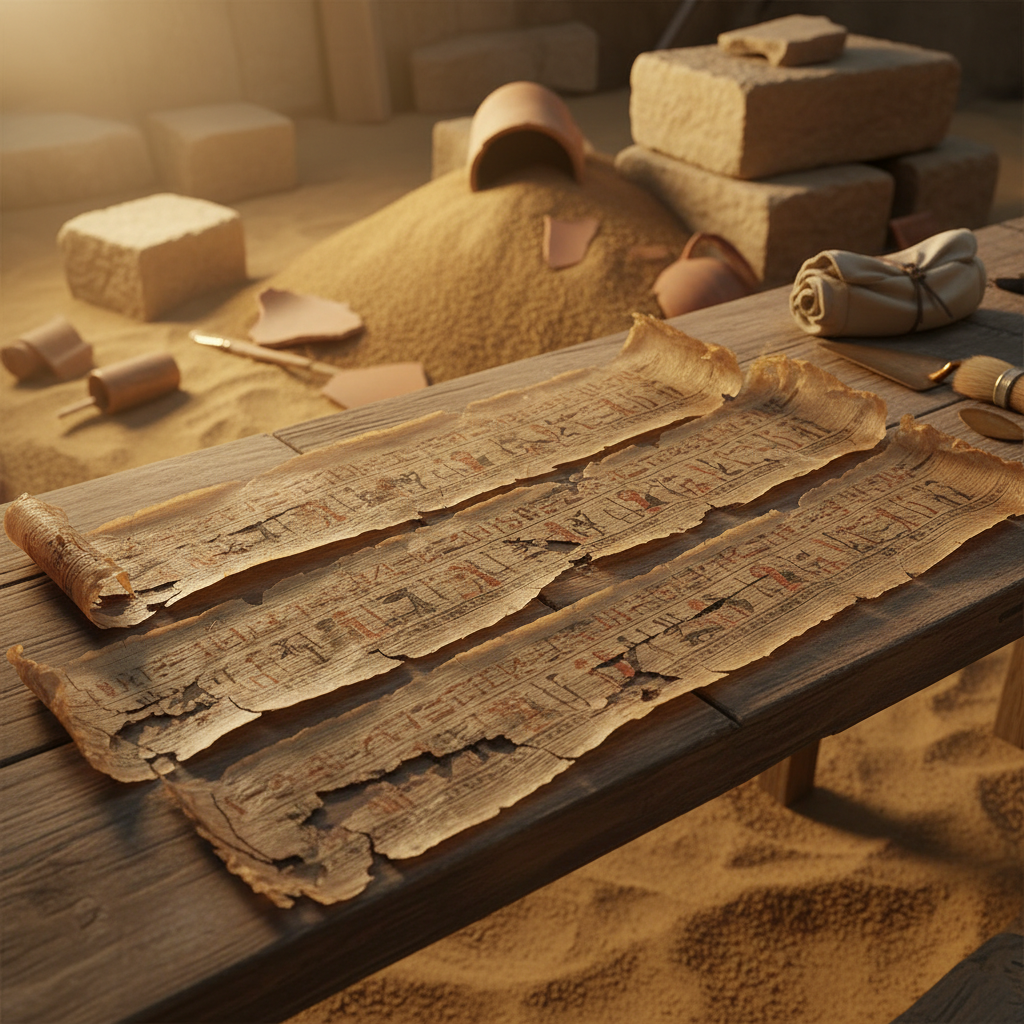
3,000-Year-Old Papyrus Scrolls Unearthed: Ancient Art and Design Revealed
Archaeologists have uncovered 3,000-year-old papyrus scrolls in remarkable condition, offering a rare glimpse into ancient art and culture.
These fragile texts, preserved against all odds, hold insights into the lives and creativity of early civilizations.
The discovery not only enriches academic knowledge but also inspires artists and storytellers today.
Originating possibly from Egypt or the Mediterranean, the scrolls remind us that history lies beneath our feet, waiting to be explored.
This find sparks important conversations about preservation and the enduring connection between past and present.
Read more:
perplexity.ai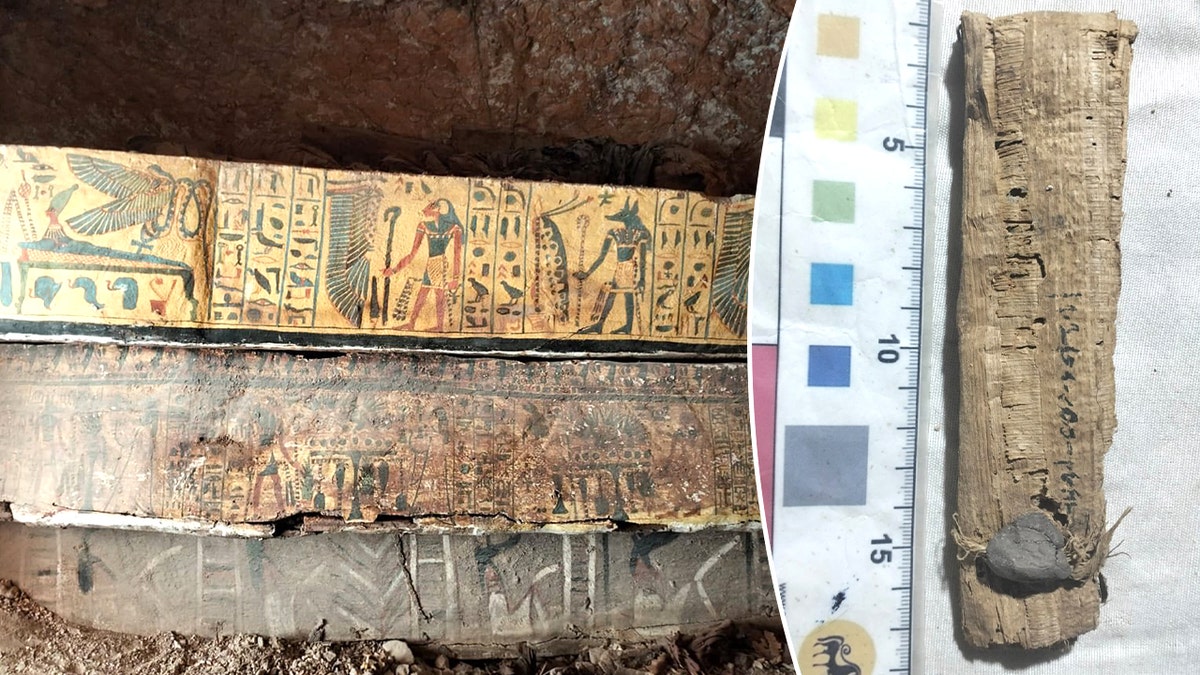
Unearthing the Past: The Astonishing Discovery of 3,000-Year-Old Papyrus Scrolls
In a world constantly racing toward the future, sometimes the most captivating stories come from the depths of history. Recently, archaeologists have unveiled a remarkable treasure—3,000-year-old papyrus scrolls that have survived millennia, holding within them ancient texts that promise to reshape our understanding of early art and design. This discovery, reported by Fox News, is nothing short of a time capsule, preserving whispers from a civilization long past.
What makes these scrolls truly extraordinary is not only their age but their impeccable condition. The delicate fibers of papyrus, a material so fragile one might expect it to disintegrate after centuries, have instead endured, allowing experts a rare peek into the intellectual and creative worlds of antiquity. Within these fragile relics are writings that could illuminate the artistic practices, cultural traditions, and perhaps even the daily lives of people living 3,000 years ago.
For travelers and culture enthusiasts alike, this discovery resonates deeply. It’s a poignant reminder of how history is layered beneath every corner of our modern world, waiting to be uncovered. Imagine journeying to Egypt or the Mediterranean, where such scrolls might have originated, and walking on the very soil that once nurtured these ancient thoughts and skills.
The implications stretch beyond academia. For anyone passionate about design, art, or storytelling, these scrolls offer a fresh source of inspiration—connecting us to timeless styles and techniques that influence contemporary creativity. Moreover, the find propels a broader conversation about preservation, heritage, and the delicate dialogue between past and present.
As the experts continue to analyze these papyrus scrolls, unveiling their secrets one line at a time, we are reminded of the incredible journeys words and ideas make through history—preserved by chance, patience, and the passion of those who seek to unearth them. This is not just a discovery; it’s an invitation to marvel at the continuity of human expression across the ages.
Questions and answers
Q: 3000 year old papyrus discovery
A: The discovery of a 3000-year-old papyrus offers valuable insights into ancient civilizations, often revealing historical events, religious beliefs, or daily life activities. Such finds are significant because papyrus, made from the papyrus plant, was one of the earliest writing materials used in ancient Egypt and the Mediterranean. These ancient documents help historians and archaeologists reconstruct the cultural and socio-political context of the time.
Q: Ancient papyrus scrolls Egypt
A: Ancient papyrus scrolls in Egypt were used as a primary writing medium for recording religious texts, administrative documents, and literary works. Made from the pith of the papyrus plant, these scrolls were durable in dry climates, allowing many to survive for thousands of years. They provide critical evidence about Egyptian civilization, including myths, medical knowledge, and everyday matters.
Q: Historical papyrus texts meaning
A: Historical papyrus texts are important because they preserve the thoughts, laws, religious beliefs, and cultural narratives of ancient societies. Deciphering these texts helps scholars understand historical events, social structures, and linguistic development of past civilizations. Their meanings often shed light on worldviews and practices of peoples from thousands of years ago.
Q: Preservation of ancient artifacts
A: The preservation of ancient artifacts involves careful methods to protect objects from decay, damage, or loss due to environmental factors like humidity, light, and temperature. Museums and conservators use controlled environments, restoration techniques, and documentation to maintain artifacts' integrity. Preservation is crucial for cultural heritage, allowing future generations to study and appreciate historical objects.
Q: Influence of ancient art on modern design
A: Ancient art has significantly influenced modern design by inspiring aesthetics, motifs, and techniques used today. Elements like geometric patterns, symbolism, and natural forms seen in ancient art often appear in contemporary architecture, fashion, and graphic design. This connection highlights how historical creativity continues to shape and enrich modern visual culture.
Key Entities
Fox News: Fox News is a major American cable news channel known for its conservative commentary and extensive political coverage. It frequently reports on international events, including developments in regions like the Mediterranean and Egypt.
Egypt: Egypt is a North African country with a rich historical heritage and strategic location along the Mediterranean Sea. It plays a key role in regional politics and security in the Mediterranean basin.
Mediterranean: The Mediterranean is a large sea connected to the Atlantic Ocean, surrounded by Europe, Asia, and Africa. It is a crucial region for trade, cultural exchange, and geopolitical affairs involving countries such as Egypt.
External articles
- Herculaneum papyri
- Egypt dig reveals 3000-year-old scrolls with secrets
- Ancient papyrus scrolls with 3000-year-old clay seals ...
Articles in same category
- Death of Francisco "Paco" Perez, Known as Original Medio Metro, Sparks Homicide Probe
- Jeremy Renner Supports Foster Youth and Returns Strong to Mayor of Kingstown Season 4
- Good Sex Play and Elliot Page: Exploring Intimacy, Consent, and Trans Advocacy
YouTube Video
Title: Don't underestimate Ancient Egyptians! #history #art
URL: https://www.youtube.com/shorts/TL1TIjCxeYo
Culture