


2026 US Political Landscape: Trump, Immigration, Tariffs, and Diplomacy Forecasts
The year 2026 is set to be pivotal in US and global politics.
The 2026 US presidential election will highlight Donald Trump’s ongoing political influence.
Immigration policies may tighten through executive orders, while US-China tariff relations remain tense.
The National Guard is expected to play a larger role in domestic security.
International diplomacy will focus on resolving the Israel-Gaza conflict and the Iran nuclear deal.
Pop culture and climate-related disasters will reflect and impact societal and political changes during this critical year.
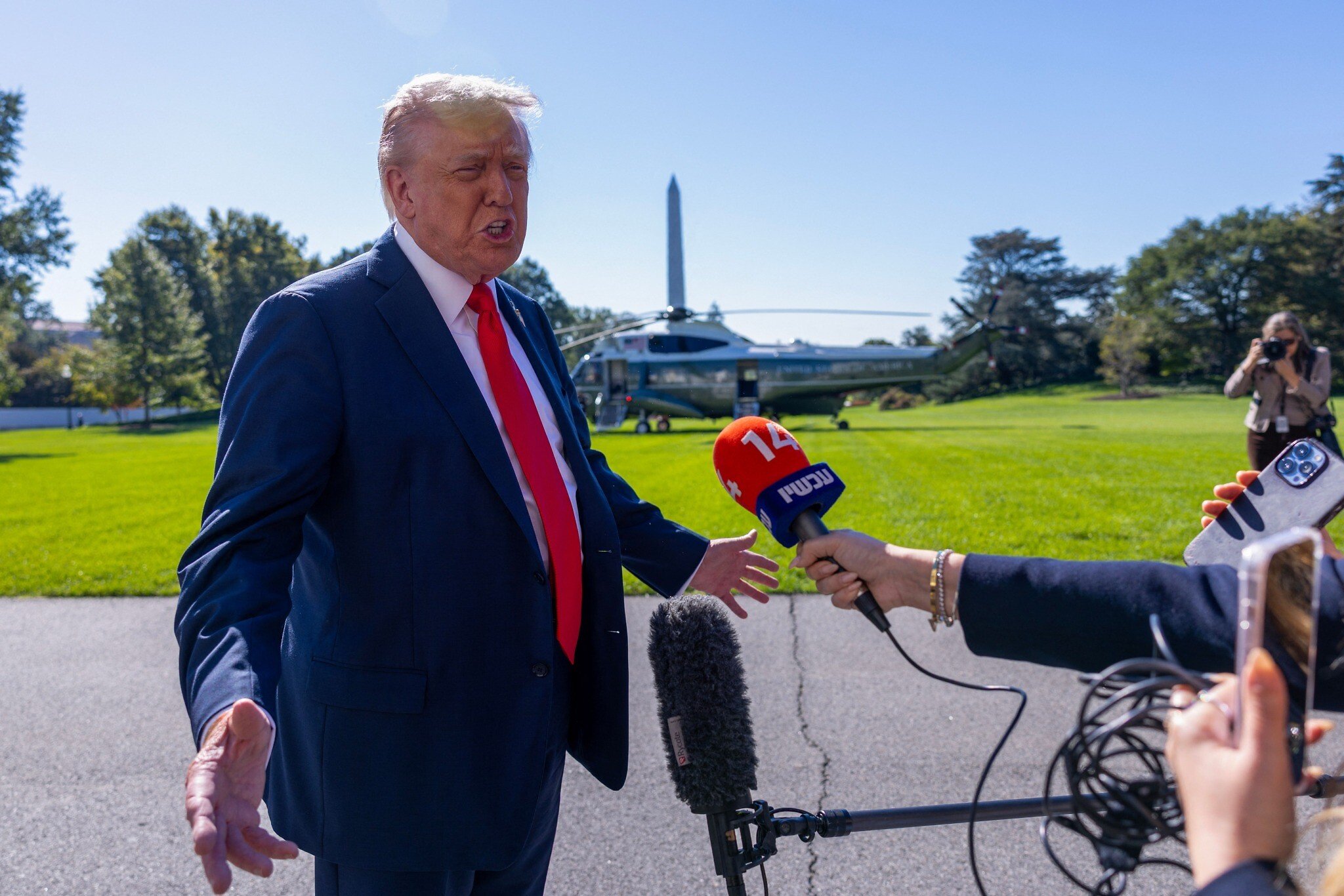
Frequently Asked Questions
Q: What to expect in 2026
A: In 2026, technological advancements are expected to continue shaping various industries, with increased adoption of artificial intelligence, renewable energy initiatives, and innovations in healthcare. Globally, geopolitical dynamics may evolve with ongoing economic developments and efforts toward climate change mitigation. Significant cultural and scientific events are also anticipated, including space exploration milestones and advancements in digital connectivity. Overall, 2026 promises progress in technology, sustainability, and international cooperation.
Q: Predictions for 2026 by experts
A: Experts predict that by 2026, advancements in technology such as artificial intelligence and renewable energy will continue to accelerate, transforming industries and daily life. Climate change mitigation efforts are expected to intensify, with increased adoption of sustainable practices worldwide. Additionally, economic growth may be influenced by shifting geopolitical dynamics, while healthcare innovations could improve disease management and accessibility. Overall, 2026 is anticipated to be a year marked by significant progress and adaptation across multiple sectors.
Q: Impact of Donald Trump's policies
A: Donald Trump's policies had a significant impact on various areas including the economy, immigration, and foreign relations. Economically, his administration focused on tax cuts and deregulation, which supporters credit for growth before the COVID-19 pandemic, while critics argue they increased the national deficit. His immigration policies were marked by stricter border controls and travel bans, affecting immigration patterns and sparking debate on humanitarian issues. In foreign policy, Trump pursued an 'America First' approach, renegotiating trade deals and challenging traditional alliances, reshaping U.S. engagement globally.
Q: Future of Israel and Middle East relations
A: The future of Israel and Middle East relations is likely to be shaped by ongoing diplomatic efforts, regional security dynamics, and economic cooperation. Recent normalization agreements, such as the Abraham Accords, have opened channels for dialogue between Israel and several Arab states, signaling potential for increased collaboration. However, longstanding conflicts and geopolitical tensions, including the Israeli-Palestinian issue, will continue to influence the pace and stability of these relationships. Moving forward, balancing security concerns with mutual interests could lead to gradual improvements in regional peace and economic integration.
Q: 2026 pop culture and political events
A: In 2026, pop culture is expected to continue its dynamic evolution with advancements in technology influencing entertainment, including virtual reality concerts and immersive media experiences. Politically, several countries will face critical elections and policy debates centered on climate change, economic recovery, and international relations. Major global events such as the 2026 FIFA World Cup will capture widespread attention, blending sporting enthusiasm with cultural exchange. Overall, 2026 will reflect ongoing societal shifts shaped by technological innovation and political challenges.
Key Entities
Niall Ferguson: Niall Ferguson is a British historian known for his works on economic and imperial history. He often provides commentary on geopolitical issues and the historical context of contemporary events.
John McWhorter: John McWhorter is an American linguist, author, and professor specializing in language and race relations. He frequently discusses social and cultural topics through the lens of linguistics.
Dr. Mark Hyman: Dr. Mark Hyman is a physician and author focused on functional medicine and nutrition. He advocates for dietary interventions to improve chronic health conditions.
Leandra Medine Cohen: Leandra Medine Cohen is a fashion writer and founder of the blog Man Repeller. She has influenced contemporary fashion discourse with a blend of style and humor.
Suzy Weiss: Suzy Weiss is a journalist and writer who covers cultural and lifestyle topics. Her work often explores social trends and personal narratives.
Sarah Isgur: Sarah Isgur is a political commentator and former communications director for the U.S. Department of Justice. She frequently analyzes legal and political developments in Washington.
Donald Trump: Donald Trump is the 45th President of the United States, known for his business background and unconventional political style. His presidency significantly impacted U.S. domestic and foreign policy.
Los Angeles: Los Angeles is a major city in California known for its entertainment industry, especially Hollywood. It is also a cultural and economic hub on the western coast of the United States.
Washington D.C.: Washington D.C. is the capital of the United States, hosting the federal government's main institutions. It is the center for American political activity and policymaking.
Israel: Israel is a Middle Eastern country established in 1948, known for its historical and religious significance. It maintains a complex geopolitical role in the region and global affairs.
External articles
- UNC experts share 2026 Trend Predictions - UNC News
- What Will Happen in 2026? Our Experts Tell Us What to ...
- What history tells us about the 2026 midterm elections
Articles in same category
- Georgia Man Arrested for Terroristic Threats to Shoot Up Hartsfield-Jackson Airport
- Norway’s Oil Fund Revises Ethical Investment Guidelines Amid Political Debate
- Kristian Berg Harpviken Named Director of Norwegian Nobel Institute: Shaping the Future of the Nobel Peace Prize
YouTube Video
Title: Donald Trump says Iran war was to help Israel, Gulf countries and China
URL: https://www.youtube.com/shorts/7y6DvB5yKh4
News